Used Tea Bags for Puffy Eyes and Skin: Safe Topical Remedies

Learn the science-backed ways to use tea bags for minor skin issues, plus crucial safety and hygiene tips.

by Andreea Smiterson
0 comments
A+A-
Reset

While a freshly brewed cup of tea offers numerous internal health benefits, the used tea bag is often discarded without a second thought. However, from a phytotherapy perspective, a cooled, used tea bag retains beneficial compounds that can be repurposed for specific, minor topical applications. It is not a miracle cure, but its properties, when applied correctly and safely, can offer temporary relief for certain skin complaints.

This guide explains the evidence-based uses for used tea bags, focusing on the science behind their effects and providing strict safety protocols to prevent adverse reactions. We will explore how to use them effectively for issues like puffy eyes and minor skin irritations, while also clarifying what they cannot do.

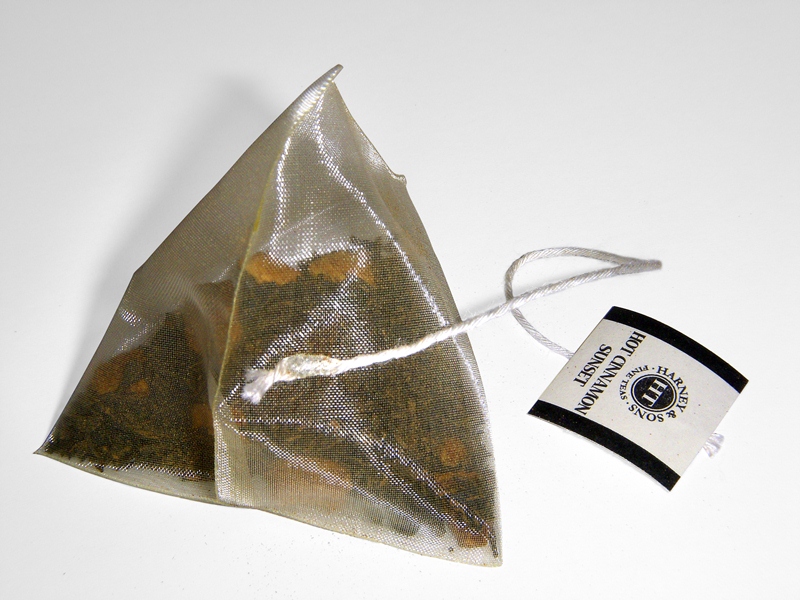
used tea bags

The Science Behind Topical Tea Bag Use

The therapeutic potential of used tea bags, particularly from black tea and green tea (Camellia sinensis), stems from several key bioactive compounds that remain after brewing.

  • Tannins: These are astringent compounds that can help tighten skin and constrict blood vessels. Consequently, this action may temporarily reduce swelling and inflammation on the skin’s surface.
  • Caffeine: When applied topically, caffeine is known to constrict small blood vessels (vasoconstriction). This effect is particularly useful for reducing the puffiness and dark appearance of under-eye circles caused by dilated vessels.
  • Catechins (especially EGCG in Green Tea): Epigallocatechin gallate (EGCG) is a powerful antioxidant with well-documented anti-inflammatory properties. Research published in journals like the Journal of Dermatological Science suggests that topical application of EGCG can help soothe skin inflammation and may offer a supportive role in managing mild acne.

It is crucial to understand that these effects are temporary and superficial. They provide symptomatic relief but do not treat the underlying causes of skin conditions.

Validated Topical Applications and Protocols

For any topical use, always use freshly used tea bags that have been allowed to cool completely. Never use a tea bag that has been sitting out for hours, as it can become a breeding ground for bacteria.

1. Soothing Puffy Eyes and Dark Circles

The combination of caffeine’s vasoconstrictive effect and the anti-inflammatory properties of tannins makes cooled tea bags a classic remedy for reducing morning puffiness.

  • Method: Steep two black or green tea bags as you normally would. After steeping, remove the bags, gently squeeze out excess liquid, and allow them to cool completely in the refrigerator for 15-20 minutes.
  • Application: Lie down and place one cooled, damp tea bag over each closed eyelid.
  • Duration: Leave them on for 10 to 15 minutes.
  • Frequency: Use as needed in the morning. Discard the tea bags immediately after use.

2. Calming Minor Skin Irritations (e.g., Razor Burn, Minor Sunburn)

The astringent nature of tannins in black tea can help soothe the stinging sensation and reduce the redness associated with minor skin irritations.

  • Method: Cool several used black tea bags in the refrigerator.
  • Application: Gently press the cooled, damp tea bags onto the affected areas of skin. Do not rub. For larger areas, you can create a compress by soaking a clean cloth in cool, strong black tea.
  • Duration: Apply for 15 minutes.
  • Important: This is only for mild, superficial redness. It is not a treatment for severe sunburn, blistering, or broken skin.

3. Adjunctive Support for Mild Acne-Prone Skin

Due to its anti-inflammatory and potential antimicrobial properties, a cooled green tea bag can help soothe the redness of an individual pimple. However, it is not a cure for acne.

  • Method: Use a freshly brewed and completely cooled green tea bag.
  • Application: Hold the cool, damp bag on the inflamed area for 5-10 minutes.
  • Frequency: You can repeat this twice daily. Afterwards, gently rinse the area with cool water.
  • Note: This should complement, not replace, a proper skincare routine and any treatments prescribed by a dermatologist.

Administration Protocol and Safety Limits

Proper hygiene and handling are non-negotiable to prevent skin infections or irritation.

Protocol Safety Guideline
Preparation Always use a tea bag immediately after brewing. Cool it in a clean container in the refrigerator. Never use a tea bag that has been left at room temperature for more than an hour.
Maximum Duration Do not leave tea bags on the skin or eyes for more than 15-20 minutes at a time.
Hygiene Wash your hands and face before application. Discard the tea bag immediately after a single use. Reusing a bag introduces a high risk of bacterial contamination.

Specific Biological Limitation

The primary limitation of using tea bags topically is their superficial action. The active compounds penetrate only the outermost layers of the skin. Therefore, they cannot address systemic or deep-dermal issues. For instance, while a tea bag may temporarily reduce puffiness from fluid retention, it will not resolve puffiness caused by genetics, allergies, or kidney problems.

Furthermore, some individuals may experience skin sensitivity or allergic contact dermatitis, either to the Camellia sinensis plant itself, to fragrances in flavored teas, or to the material of the tea bag (some may contain plastics or bleach).

Contraindications and Precautions

It is essential to recognize when this home remedy is inappropriate or potentially harmful.

  • Absolute Contraindications: Do not apply tea bags to open wounds, cuts, broken skin, active skin infections, or severe burns.
  • Allergies: Avoid use if you have a known allergy to tea or any additives in herbal tea blends. Always use plain, unflavored tea bags for topical applications.
  • Eye Health: Never apply a tea bag to your eye if you have an active eye infection (like conjunctivitis), a stye, or have recently had eye surgery. Ensure no liquid drips into the eye.
  • Sensitive Skin Conditions: If you have chronic skin conditions like eczema, rosacea, or psoriasis, consult a healthcare provider before applying anything new to your skin, including tea bags.
  • When to Stop Immediately: Discontinue use if you experience any redness, itching, stinging, or worsening of your symptoms.

Therapeutic Alternatives

If used tea bags are not suitable or effective, consider these validated alternatives:

  1. Witch Hazel (Hamamelis virginiana): An alcohol-free witch hazel distillate applied via a cotton pad is an excellent astringent for reducing skin inflammation and toning the skin. It is particularly effective for razor burn and soothing mild irritation.
  2. Aloe Vera (Aloe barbadensis miller): Pure aloe vera gel is a superior choice for soothing sunburns and skin inflammation. Its cooling, hydrating, and wound-healing properties are well-supported by clinical research.
  3. Calendula (Calendula officinalis): Available as a cream or ointment, calendula is renowned for its ability to calm irritated skin, promote healing of minor cuts, and soothe rashes. It is a gentle and effective alternative for general skin irritation.

Recent Medical Research (2020-2026)

Modern research continues to validate the topical benefits of tea extracts, moving beyond the simple tea bag to concentrated formulations.

  • A 2022 review in the journal Antioxidants highlighted the photoprotective and anti-inflammatory effects of green tea catechins, confirming their potential in dermatology to mitigate UV-induced skin damage and inflammation.
  • Studies are increasingly focused on developing stable topical formulations of EGCG for conditions like acne and rosacea, acknowledging the compound’s benefits but also the challenges of delivering it effectively into the skin.

The current scientific verdict is that while direct application of a used tea bag offers mild, temporary benefits, professionally formulated cosmetic products containing standardized tea extracts provide a more potent and reliable effect.

Specialist’s Summary

Used tea bags are a low-cost, accessible option for providing temporary, mild relief for puffy eyes and minor skin irritations due to their tannin and caffeine content. However, their use is strictly limited to intact, unbroken skin and requires stringent hygiene to avoid bacterial contamination. They are not a treatment for chronic skin diseases, infections, or significant burns. Validated alternatives like aloe vera or calendula cream often provide more reliable and potent soothing effects.

Frequently Asked Questions

1. Which type of tea is best for skin applications?
For reducing puffiness and irritation, caffeinated black or green tea is best due to the high concentration of tannins and caffeine. For soothing inflammation related to acne, green tea is preferred for its higher EGCG content. Herbal teas like chamomile can also be soothing but lack the specific vasoconstrictive benefits.

2. Can used tea bags help with wrinkles or signs of aging?
No. While the antioxidants in tea are beneficial for skin health overall, a topical tea bag application cannot reverse or treat wrinkles. The tightening effect from tannins is very temporary and does not affect collagen or skin structure.

3. Is it safe to use flavored or herbal tea bags?
It is strongly recommended to use only plain, unflavored black or green tea bags. Flavored teas contain added oils and artificial or natural flavorings that can cause significant skin irritation or allergic reactions.

4. How long does it take to see results for puffy eyes?
The effects are typically visible within 15-30 minutes after the application. However, the results are temporary and will likely fade within a few hours as blood vessels return to their normal state.

Eco-Friendly Household Uses

Beyond skin applications, used tea bags have practical, non-medical uses:

  • Plant Fertilizer: The tea leaves can enrich the soil. Open the bag and sprinkle the leaves around the base of your acid-loving plants like roses and ferns.
  • Compost Accelerator: Tea leaves are rich in nitrogen and attract beneficial bacteria, which can help speed up the decomposition process in your compost pile. Ensure your tea bags are plastic-free and compostable.

Sources and References

  • Oyetakin-White, P., Suggs, A., & Koo, B. (2015). Protective mechanisms of green tea polyphenols in skin. Oxidative medicine and cellular longevity, 2015, 560682.
  • Saric, S., & Sivamani, R. K. (2016). Green Tea and Other Tea Polyphenols: Effects on Sebum Production and Acne Vulgaris. Antioxidants (Basel, Switzerland), 5(4), 38.
  • Wittenauer, J., Mäckle, S., Sußmann, D., Schweiggert-Weisz, U., & Carle, R. (2015). Inhibitory effects of polyphenols from black tea and other medicinal plants on human histamine and tryptase release. Journal of ethnopharmacology, 175, 139–147.

⚠️ Important Medical Information

This article is for educational and informational purposes only and is not intended as medical advice, diagnosis, or treatment. The information provided about Used Tea Bags is based on traditional use, preliminary research, and available scientific evidence, which may be limited.

Before using Used Tea Bags:

  • Consult a qualified healthcare provider, especially if you are pregnant, breastfeeding, taking medications, or have existing health conditions like eczema or rosacea.
  • Do not use as a substitute for prescribed medications or professional medical treatment for skin conditions.
  • Individual results may vary – what works for one person may not work for another.
  • Monitor for adverse reactions and discontinue use if negative symptoms like itching, redness, or irritation occur.


You may also like

Leave a Comment