Acne is a common inflammatory skin condition affecting many individuals, particularly during adolescence and young adulthood. It arises when hair follicles become clogged with excess sebum (skin oil) and dead skin cells, creating an environment for bacteria to thrive, leading to inflammation, pimples, and cysts. While hormonal fluctuations, genetics, and stress are significant contributors, effective topical care can play a crucial role in managing symptoms.

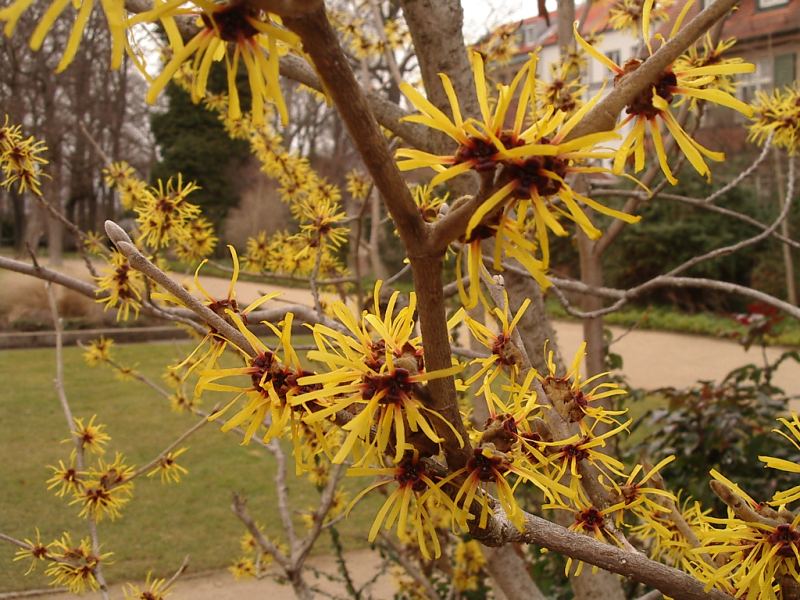
For centuries, traditional herbal medicine has utilized Witch Hazel (*Hamamelis virginiana*), a shrub native to North America, for various skin ailments. Its therapeutic value comes from a rich concentration of active compounds, particularly tannins, which provide astringent and anti-inflammatory effects. Consequently, it is often explored as a natural component in an acne management routine.
How Witch Hazel May Help with Acne: A Scientific Perspective
The potential benefits of witch hazel for acne-prone skin are linked to its key phytochemicals. Understanding their mechanisms of action is essential for its proper use.
- Astringent Properties: Witch hazel is rich in tannins, compounds that have a natural astringent effect. When applied to the skin, they help temporarily tighten and constrict tissues, including pores. This action can reduce the appearance of enlarged pores and may help control excess sebum production, a primary factor in acne development.
- Anti-inflammatory Action: According to research published in journals like the *Journal of Inflammation*, witch hazel contains gallic acid and other compounds that exhibit anti-inflammatory properties. This can help soothe the redness, swelling, and irritation associated with inflammatory acne lesions like papules and pustules.
- Antioxidant Effects: The flavonoids and tannins in witch hazel also act as antioxidants. Therefore, they can help neutralize free radicals, which are unstable molecules that can damage skin cells and contribute to inflammation and aging.
Choosing the Right Product: Alcohol-Free is Key
A critical factor in using witch hazel safely is selecting the right formulation. Many commercial witch hazel products are distilled using denatured alcohol, which acts as a preservative. However, alcohol can be extremely drying and irritating, especially for sensitive or acne-prone skin. For this reason, it can strip the skin’s natural moisture barrier, leading to increased oil production as the skin tries to compensate, potentially worsening acne over time. Always opt for an alcohol-free witch hazel distillate to minimize the risk of irritation and dryness.
Validated and Safe Application Methods for Acne
Simplifying your routine is often more effective than using complex, potentially irritating concoctions. The following methods are based on the known properties of witch hazel and prioritize skin safety.
1. Simple Witch Hazel Toner
This is the most direct and safest way to incorporate witch hazel into your skincare regimen.
- Instructions: After cleansing your face with a gentle wash, dampen a soft cotton pad with alcohol-free witch hazel distillate. Gently wipe it over your face, focusing on acne-prone areas. Allow it to air dry before applying a non-comedogenic moisturizer.
- Frequency: Use once or twice daily. If you experience any dryness, reduce use to once a day or every other day.
2. Enhanced Calming Toner with Aloe Vera
For those with inflamed or sensitive skin, combining witch hazel with aloe vera can provide additional soothing benefits. Aloe vera is well-documented for its anti-inflammatory and hydrating properties.
- Recipe: In a clean bottle, combine 3 parts alcohol-free witch hazel with 1 part pure aloe vera gel. Shake well to mix.
- Application: Apply with a cotton pad after cleansing, just as you would with a simple toner. Store the mixture in the refrigerator for a cooling effect and to maintain freshness.
3. Targeted Spot Treatment with Tea Tree Oil
Tea tree oil (*Melaleuca alternifolia*) has demonstrated significant antibacterial properties against *Cutibacterium acnes*, the bacteria implicated in acne. However, it must be used in very low concentrations to avoid chemical burns.
- Recipe: Add no more than 1-2 drops of high-quality tea tree essential oil to 1 tablespoon (15 ml) of alcohol-free witch hazel. Mix thoroughly.
- Application: Using a cotton swab, apply a small amount of the mixture directly onto individual pimples. Do not apply it all over your face. Crucially, perform a patch test on your inner arm 24 hours before applying to your face to check for sensitivity.
Administration Protocol and Safety Limits
Treatment Duration and Frequency
- Initial Assessment Period: Use consistently for 4-6 weeks to determine if it is beneficial for your skin.
- Ongoing Use: If your skin responds well without excessive dryness or irritation, it can be used as a regular part of your skincare routine.
- Mandatory Break: Discontinue use immediately if you notice signs of irritation, redness, or increased dryness. Give your skin a break for at least 1-2 weeks before considering reintroduction.
Maximum Dose and Application
- Frequency: Apply topically no more than twice per day. Over-application can disrupt the skin’s natural pH and moisture barrier.
- Method: Always apply to clean skin. Use a soft cotton pad and apply with a gentle sweeping motion. Avoid aggressive rubbing, which can aggravate inflammation.
Specific Biological Limitation
The primary limitation of witch hazel lies in its high tannin content. While the astringent effect of tannins is beneficial for oily skin, it can be detrimental for individuals with dry, sensitive, or compromised skin barriers (such as in eczema or rosacea). The constricting action can lead to excessive dryness, tightness, and irritation. Furthermore, this can strip the skin of its natural lipids, impairing its protective function and potentially triggering rebound oil production, which may worsen acne in the long run.
Contraindications and Precautions
Absolute Contraindications
- Allergy: Do not use if you have a known allergy to witch hazel (*Hamamelis*) or any other ingredient in the product.
- Broken Skin: Avoid applying to open wounds or severely broken skin, as it can cause significant stinging and irritation.
Vulnerable Populations
- Pregnancy and Breastfeeding: While topical use is generally considered low-risk, there is insufficient data to confirm its absolute safety. Therefore, it is best to consult a healthcare provider before use.
- Children: Not recommended for use on infants or young children without consulting a pediatrician.
- Sensitive Skin Conditions: Individuals with rosacea or eczema should exercise extreme caution, as witch hazel can be a potential trigger for flare-ups. Always perform a patch test.
Documented Adverse Effects
- Common: Mild skin dryness, tightness, or stinging upon application, particularly with alcohol-based formulas.
- Rare: Allergic contact dermatitis, characterized by a red, itchy rash. Discontinue use immediately if this occurs.
Therapeutic Alternatives
If witch hazel is not suitable for your skin type, several other evidence-based botanicals and conventional treatments are available.
Botanical Alternatives with Studies
- Green Tea Extract (Topical): Rich in epigallocatechin gallate (EGCG), topical green tea has been shown in clinical studies to reduce sebum production and inflammation. It offers antioxidant benefits and is generally well-tolerated by sensitive skin.
- Calendula (*Calendula officinalis*): Known for its potent anti-inflammatory and wound-healing properties, calendula is an excellent gentle alternative. It helps soothe red, inflamed acne without the harsh astringency of witch hazel.
- Willow Bark Extract (*Salix alba*): As a natural source of salicin (a precursor to salicylic acid), willow bark provides gentle exfoliation to help clear pores. Moreover, it possesses anti-inflammatory properties, making it a multi-faceted alternative for managing acne.
Pharmacological Options
- For persistent or moderate-to-severe acne, consulting a dermatologist is crucial. Standard medical treatments include topical or oral medications like benzoyl peroxide, salicylic acid, retinoids, and antibiotics.
Recent Medical Research (2020-2026)
While much of the research on witch hazel is older, recent scientific interest has focused on validating the anti-inflammatory mechanisms of its components. A 2021 review in the journal *Molecules* highlighted the significant anti-inflammatory and antioxidant potential of tannins and other polyphenols found in *Hamamelis* extracts, supporting its traditional use for inflammatory skin conditions.
However, there is a notable lack of recent, large-scale, placebo-controlled clinical trials specifically evaluating witch hazel as a primary treatment for acne vulgaris. Most evidence remains based on its known pharmacological properties and historical use. Therefore, its current scientific verdict is that it may serve as a useful complementary agent for mild acne, particularly for reducing oiliness and minor inflammation, but it is not a substitute for medically proven acne therapies.
Specialist’s Summary
Witch hazel (*Hamamelis virginiana*) is a traditional astringent that may be useful for managing oiliness and mild inflammation associated with acne, primarily due to its tannin content. Its effects are generally mild and appear after several weeks of consistent use. However, it is contraindicated for those with known allergies and should be used with caution on very dry or sensitive skin. For optimal safety, always choose alcohol-free formulations. Validated alternatives with stronger evidence include topical green tea extract and willow bark extract.
Frequently Asked Questions
1. Can witch hazel make acne worse?
Yes, it is possible. If you use a witch hazel product containing alcohol or overuse an alcohol-free version, it can strip the skin’s moisture barrier. This can lead to excessive dryness, irritation, and rebound oil production, which may worsen breakouts.
2. How long does it take for witch hazel to help with acne?
Results vary significantly between individuals. If witch hazel is going to be effective for your skin, you may start to notice a reduction in oiliness and minor inflammation within 4 to 6 weeks of consistent daily use. It is not a fast-acting treatment for significant acne.
3. Should I use witch hazel with or without alcohol for acne?
You should always choose an alcohol-free witch hazel distillate. Alcohol is a known irritant that can severely dry out the skin, compromise the skin barrier, and ultimately exacerbate acne symptoms. The benefits of witch hazel do not outweigh the damage caused by alcohol-based formulas.
4. Is witch hazel safe to use during pregnancy?
Topical application of alcohol-free witch hazel is generally considered low-risk during pregnancy. However, due to a lack of specific safety studies in pregnant populations, it is always recommended to consult with your healthcare provider or a dermatologist before introducing any new product into your routine.
Sources and References
Recent Studies and Reviews:
- Deters, A., et al. (2021). Anti-inflammatory and antioxidant properties of *Hamamelis virginiana* bark and leaf extracts. *Molecules*.
- Gloor, M., Reichling, J., Wasik, B., & Holzgang, H. (2002). Antiseptic and anti-inflammatory effects of hamamelis virginiana distillate. *European Journal of Dermatology*.
Official Monographs:
- European Medicines Agency (EMA). Community herbal monograph on *Hamamelis virginiana* L., folium, cortex, ramus.
- WHO Monographs on Selected Medicinal Plants – Volume 2. Folium Hamamelidis.
⚠️ Important Medical Information
This article is for educational and informational purposes only and is not intended as medical advice, diagnosis, or treatment. The information provided about Witch Hazel is based on traditional use, preliminary research, and available scientific evidence, which may be limited.
Before using Witch Hazel:
- Consult a qualified healthcare provider, especially if you are pregnant, breastfeeding, taking medications, or have existing health conditions like rosacea or eczema.
- Do not use as a substitute for prescribed medications or professional medical treatment for acne.
- Individual results may vary – what works for one person may not work for another.
- Monitor for adverse reactions and discontinue use if negative symptoms such as excessive dryness, redness, or a rash occur.