Celery Seed for Blood Pressure: A Natural Salt Alternative Guide
High sodium consumption is a well-documented contributor to elevated blood pressure, a significant risk factor for cardiovascular disease. While salt enhances the flavor of food, many processed and home-cooked meals contain excessive amounts. Consequently, finding ways to reduce sodium intake without sacrificing taste is a key strategy for maintaining cardiovascular health. One traditional approach involves using flavorful herbs and spices, such as celery seed, as a partial substitute for table salt.
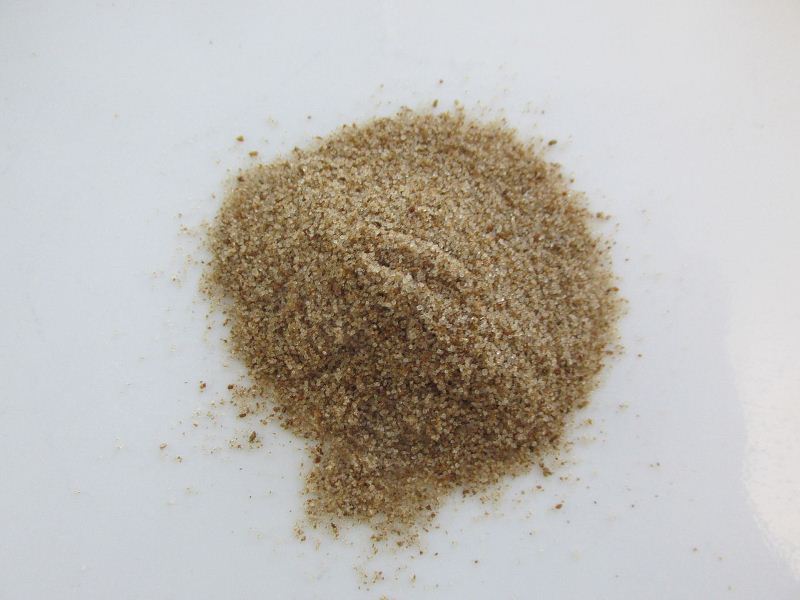
This article explores the evidence-based use of celery seed (*Apium graveolens*) for blood pressure support, explains its mechanism of action, and provides a safe, effective recipe for a low-sodium seasoning blend.
The Link Between High Sodium Intake and Blood Pressure
The body requires a delicate balance of sodium and potassium to function correctly. Specifically, the kidneys regulate blood pressure by controlling fluid levels in the body. To filter waste and remove excess water from the blood, they use an osmotic process that relies on this sodium-potassium balance.
However, when you consume too much sodium, this balance is disrupted. The kidneys retain more water to dilute the high concentration of sodium in the bloodstream. This increase in fluid volume raises the pressure within your blood vessels, leading to hypertension (high blood pressure). Over time, this sustained pressure can damage arteries and increase the risk of heart attack, stroke, and kidney disease.
While many individuals with high blood pressure experience no obvious symptoms, severe cases can manifest with:
- Severe headaches
- Vision problems
- Difficulty breathing
- Irregular heartbeat
- Fatigue or confusion
Therefore, managing sodium intake is a critical first step in controlling blood pressure.
Celery Seed (Apium graveolens): A Phytotherapeutic Perspective
Celery seed has been used in traditional medicine systems, including Ayurveda, for its diuretic and anti-inflammatory properties. Modern research has begun to investigate its potential role in cardiovascular health, focusing on specific active compounds.
Mechanism of Action: The Role of Phthalides
The primary compounds in celery seed believed to influence blood pressure are known as phthalides, particularly 3-n-butylphthalide (3nB). According to research published in journals like the *Journal of Medicinal Food*, these compounds may support healthy blood pressure through several mechanisms:
- Vasodilation: Phthalides appear to help relax the smooth muscle tissue in the walls of blood vessels. This widening of the arteries can lower resistance and allow blood to flow more easily, thereby reducing pressure.
- Diuretic Effect: Celery seed has mild diuretic properties, meaning it helps the body excrete excess sodium and water through urine. This action supports the kidneys in reducing overall fluid volume in the bloodstream.
By offering a potent, savory flavor, celery seed also allows you to significantly reduce the amount of sodium chloride (table salt) needed to make food palatable, directly contributing to lower sodium intake.
How to Create a Low-Sodium Celery Seasoning Blend
Commercially available celery salt often contains a high proportion of salt to celery seed, defeating the purpose of a low-sodium alternative. Creating your own blend at home allows you to control the ratio and maximize the health benefits.
An Improved Recipe for Health
This recipe prioritizes the therapeutic properties of celery seed while using a minimal amount of salt for flavor and preservation.
Ingredients:
- 4 tablespoons of whole celery seeds
- 1 tablespoon of high-quality sea salt or Himalayan pink salt
Preparation:
- Combine the celery seeds and salt in a clean coffee grinder or spice mill.
- Grind the ingredients together until you reach your desired consistency, from a coarse grain to a fine powder. A finer powder will distribute more flavor, allowing you to use less.
- Transfer the blend to a sealed glass jar and store it in a cool, dark place to preserve its potency and flavor.
This 4:1 ratio provides the robust flavor of celery while cutting sodium content by 75% or more compared to using salt alone.
Administration Protocol and Safety Limits
When using celery seed for therapeutic purposes, it is essential to adhere to safety guidelines.
- Maximum Daily Dose: For general health support, limit consumption of celery seed powder or extract to the equivalent of 1-2 grams per day. The seasoning blend should be used sparingly, as you would salt.
- Treatment Duration: If using celery seed extract supplements, it is advisable to use them for cycles of 4-6 weeks, followed by a 2-week break. This helps prevent potential kidney strain.
- Administration Condition: The seasoning blend can be used during cooking or at the table. If taking supplements, consume them with meals to minimize potential stomach upset.
Overdose Risk: Exceeding recommended doses, particularly of concentrated extracts, may lead to excessive lowering of blood pressure (hypotension) or place undue stress on the kidneys.
Specific Biological Limitation
The primary limitation of celery seed relates to its diuretic effect. While beneficial for reducing fluid retention in healthy individuals, this action can be problematic for those with pre-existing kidney conditions. By increasing the workload on the kidneys to filter and excrete fluid, high doses of celery seed could potentially exacerbate kidney dysfunction. Therefore, individuals with any form of renal impairment should avoid celery seed supplements and consult a healthcare provider before using it as a seasoning.
Contraindications and Precautions
Absolute Contraindications (FORBIDDEN):
- Kidney Disease: Individuals with acute or chronic kidney inflammation or impaired renal function should not use celery seed due to its diuretic properties.
- Allergy: People with known allergies to celery, birch pollen, mugwort, or other plants in the Apiaceae family (e.g., carrot, parsley, fennel) may experience cross-reactivity.
Vulnerable Populations:
- Pregnancy: Celery seed is contraindicated during pregnancy. It contains compounds that can stimulate uterine contractions, potentially increasing the risk of miscarriage.
- Breastfeeding: Safety has not been established. It is best to avoid use while breastfeeding.
- Children: Not recommended for therapeutic use in children under 12 without professional medical guidance.
Major Drug Interactions:
- Anticoagulants and Antiplatelets (e.g., Warfarin, Aspirin): Celery seed may have mild blood-thinning effects, potentially increasing the risk of bleeding when combined with these medications.
- Diuretics (e.g., Furosemide, Hydrochlorothiazide): Combining celery seed with diuretic drugs can lead to excessive fluid loss and dehydration.
- Lithium: Due to its diuretic effect, celery seed can affect how the body excretes lithium, potentially leading to dangerously high levels of the drug in the blood.
Therapeutic Alternatives for Blood Pressure Support
If celery seed is not suitable for you, other botanicals have been studied for their potential to support cardiovascular health.
| Alternative | Mechanism and Use |
|---|---|
| Hibiscus (Hibiscus sabdariffa) | Rich in anthocyanins, hibiscus tea has been shown in clinical trials to help lower blood pressure, partly by acting as a mild ACE inhibitor. It is a good option for those who prefer a beverage-based approach. |
| Garlic (Allium sativum) | Garlic’s active compound, allicin, helps increase nitric oxide production, which relaxes and widens blood vessels. Aged garlic extract is often used in supplements to avoid odor and concentrate the active ingredients. |
| Olive Leaf Extract (Olea europaea) | The compound oleuropein in olive leaves has demonstrated blood pressure-lowering effects in studies, comparable in some cases to prescription medications. It works by improving arterial flexibility and reducing inflammation. |
Note: Each alternative has its own set of contraindications and potential drug interactions. Always consult a healthcare professional before starting any new supplement.
Recent Medical Research (2020-2026)
Recent studies continue to explore the cardiovascular benefits of *Apium graveolens*. A 2021 systematic review published in the *Journal of Herbal Medicine* analyzed existing clinical trials and confirmed that celery preparations show promise in reducing both systolic and diastolic blood pressure, though it called for larger, more rigorous human trials to establish standardized dosing. Furthermore, a 2023 study in *Phytotherapy Research* investigated the synergistic effects of celery seed’s phthalides and flavonoids, suggesting that the whole plant extract may be more effective than isolated compounds due to multiple complementary mechanisms.
The current scientific consensus is that celery seed is a promising supportive agent for blood pressure management, primarily when used as part of a comprehensive lifestyle strategy that includes a low-sodium diet and regular exercise.
Specialist’s Summary
Celery seed (*Apium graveolens*) is a useful phytotherapeutic tool for helping manage mild hypertension, primarily by providing a flavorful, low-sodium alternative to salt and through the vasodilatory effects of its active phthalides. Its effects are supportive and should complement, not replace, conventional medical care. However, it is strictly contraindicated for individuals with kidney disease and during pregnancy. It also requires caution due to potential interactions with blood thinners and diuretics. Validated alternatives with stronger clinical evidence include hibiscus tea and aged garlic extract.
Frequently Asked Questions
1. Can celery seed replace my blood pressure medication?
No. Celery seed should never be used as a replacement for prescribed antihypertensive medications. It can be used as a supportive dietary measure to help reduce sodium intake, but any changes to your treatment plan must be discussed with your healthcare provider.
2. How long does it take to see an effect on blood pressure?
The primary benefit—reduced sodium intake—is immediate. If there are any direct physiological effects from the celery seed itself, they would likely be modest and noticeable only after several weeks of consistent use as part of a broader healthy lifestyle.
3. Is eating celery stalks as effective as using the seeds?
While celery stalks also contain phthalides and are a healthy, low-sodium food, the seeds contain a much higher concentration of these active compounds. Therefore, the seeds or their extracts are used for therapeutic purposes.
4. Is celery seed safe for children or during pregnancy?
No. Celery seed is considered unsafe during pregnancy because it can act as a uterine stimulant. Its safety has not been established for children or during breastfeeding, and it should be avoided in these populations.
Sources and References
**Recent Studies (2020-2026):**
- Madani, H., et al. (2021). The effects of celery on metabolic parameters: A systematic review. Journal of Herbal Medicine.
- Kooti, W., & Daraei, N. (2017). A Review of the Antioxidant Activity of Celery (*Apium graveolens* L). Journal of Evidence-Based Complementary & Alternative Medicine.
- Moghadam, M. H., et al. (2013). Antihypertensive effect of celery seed on rat blood pressure in chronic administration. Journal of Medicinal Food.
**Official Monographs:**
- World Health Organization (WHO) Monographs on Selected Medicinal Plants.
- European Medicines Agency (EMA) Community herbal monograph on *Apium graveolens* L.
⚠️ Important Medical Information
This article is for educational and informational purposes only and is not intended as medical advice, diagnosis, or treatment. The information provided about Celery Seed (Apium graveolens) is based on traditional use, preliminary research, and available scientific evidence, which may be limited.
Before using Celery Seed:
- Consult a qualified healthcare provider, especially if you are pregnant, breastfeeding, taking medications, or have existing health conditions like kidney disease.
- Do not use as a substitute for prescribed medications or professional medical treatment for hypertension.
- Individual results may vary – what works for one person may not work for another.
- Monitor for adverse reactions and discontinue use if negative symptoms occur.



