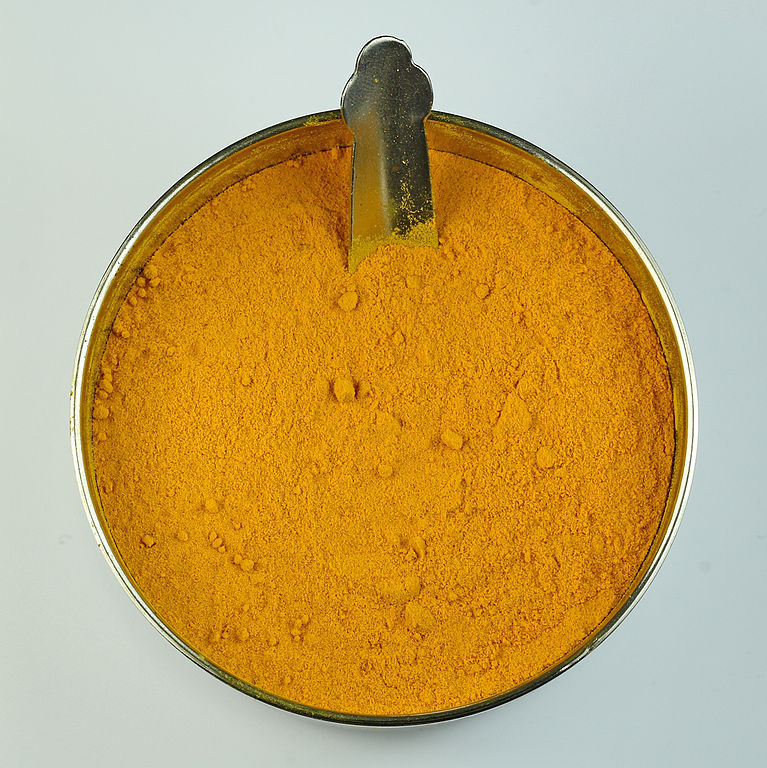
Turmeric Paste for Inflammation: Recipe and Safe Use

A science-backed guide to making turmeric paste for joint pain with tips for absorption and safety.

by Andreea Smiterson
0 comments
A+A-
Reset

Turmeric (*Curcuma longa*), the vibrant golden spice, has been a cornerstone of traditional Ayurvedic and Chinese medicine for centuries, primarily for its anti-inflammatory properties. In recent years, its popularity has surged in the West, with “Golden Milk” becoming a wellness staple. However, to harness its potential benefits safely and effectively, it’s crucial to understand the science behind it.

The primary active compound in turmeric is curcumin, which is responsible for most of its therapeutic effects. Modern research has begun to validate its traditional use, particularly in managing conditions related to chronic inflammation. This article provides an evidence-based guide to preparing a bioavailable turmeric paste and outlines the necessary safety protocols for its use.

turmeric-paste-recipe

The Science Behind Turmeric’s Anti-Inflammatory Action

Curcumin’s main challenge is its poor bioavailability, meaning the body struggles to absorb and use it effectively. Fortunately, research has identified simple, natural ways to enhance its absorption significantly.

  • Piperine (Black Pepper): According to studies, piperine, the active compound in black pepper, can increase curcumin’s bioavailability by up to 2,000%. It works by inhibiting certain metabolic pathways that would otherwise break down curcumin too quickly.
  • Healthy Fats: Curcumin is fat-soluble. Therefore, consuming it with a source of fat (like coconut oil, almond oil, or olive oil) allows it to be absorbed directly into the bloodstream through the lymphatic system, bypassing the liver.

This is why a properly prepared turmeric paste, often called “Golden Paste,” is more effective than consuming plain turmeric powder.

How to Prepare Bioavailable Turmeric Paste

This two-step process first creates a concentrated, absorbable paste, which can then be easily incorporated into a warm beverage like Golden Milk.

Step 1: The Golden Paste Recipe

This recipe incorporates the key elements for maximum absorption. The paste can be stored in the refrigerator for future use.

Ingredients:

  • 1/2 cup (approx. 50 grams) organic turmeric powder
  • 1 cup (250 ml) filtered water, plus more if needed
  • 1/3 cup (70 ml) unrefined cold-pressed coconut or olive oil
  • 1.5 teaspoons freshly ground black pepper

Instructions:

  1. In a small saucepan, gently heat the turmeric and water over medium-low heat, stirring continuously until it forms a thick, smooth paste. This should take about 7-9 minutes. Be careful not to let it boil.
  2. If the paste becomes too thick, add a little more water.
  3. Remove the saucepan from the heat. Now, stir in the oil and the freshly ground black pepper until they are fully incorporated.
  4. Allow the paste to cool completely. Transfer it to a clean glass jar with a tight-fitting lid and store it in the refrigerator. The paste will remain fresh for up to 2-3 weeks.

Step 2: Making Golden Milk

This is the most common and pleasant way to consume your prepared Golden Paste.

Ingredients:

  • 1 cup (250 ml) of milk (dairy, almond, coconut, or oat)
  • 1 teaspoon of Golden Paste
  • 1 teaspoon of raw honey or maple syrup (optional, to taste)

Instructions:

  1. Gently warm the milk in a saucepan over medium heat. Do not boil.
  2. Add 1 teaspoon of the prepared Golden Paste and whisk until it is completely dissolved.
  3. Remove from heat and pour into a mug. If desired, stir in honey or maple syrup for sweetness.
  4. Drink while warm, preferably with a meal.

Administration Protocol and Safety Limits

For therapeutic use, consistency and adherence to safety limits are essential.

  • Treatment Duration: Consume daily for a cycle of 4 to 6 weeks to assess its effects on inflammatory symptoms.
  • Mandatory Break: After each 4-6 week cycle, it is crucial to take a mandatory break of at least 2 weeks. This helps prevent potential side effects and allows the body to reset.
  • Maximum Daily Dose: For a healthy adult, the recommended starting dose is 1 teaspoon of the Golden Paste per day, which can be gradually increased to a maximum of 2-3 teaspoons per day, divided into separate doses. This corresponds to approximately 1,500-2,000 mg of curcuminoids.
  • Overdose Risk: Exceeding 8 grams of curcumin per day may increase the risk of gastrointestinal side effects such as nausea, diarrhea, and bloating.
  • Administration Condition: Always consume turmeric paste with a meal that contains fat to maximize absorption and minimize potential stomach upset.

Specific Biological Limitation

The primary biological limitation of turmeric and curcumin is its antiplatelet (blood-thinning) effect. Curcumin can inhibit platelet aggregation, which is the process by which blood cells clump together to form clots. While this can be beneficial for cardiovascular health in some contexts, it becomes a significant risk for individuals with bleeding disorders, those taking anticoagulant medications, or anyone scheduled for surgery. This effect necessitates strict precautions in these populations.

Contraindications and Precautions

While generally safe for most people, turmeric is not suitable for everyone. It is vital to consult a healthcare provider before starting any new herbal regimen.

Absolute Contraindications (Do Not Use):

  • Bile Duct Obstruction or Gallstones: Turmeric stimulates bile production, which can worsen these conditions and cause severe pain.
  • Bleeding Disorders: Due to its antiplatelet effects, turmeric can increase the risk of bleeding in individuals with conditions like hemophilia.
  • Pre-Surgery: Discontinue use at least two weeks before any scheduled surgery to reduce the risk of excessive bleeding.

Vulnerable Populations:

  • Pregnancy: Medicinal doses of turmeric should be avoided during pregnancy as it may act as a uterine stimulant. Culinary amounts in food are generally considered safe.
  • Breastfeeding: There is insufficient data on the safety of medicinal turmeric during breastfeeding. It is best to avoid it.
  • Children: Consult a pediatrician before giving medicinal doses of turmeric to children.

Major Drug Interactions:

  • Anticoagulants and Antiplatelet Drugs (e.g., Warfarin, Aspirin, Clopidogrel): Turmeric can amplify the effects of these medications, significantly increasing the risk of bruising and bleeding.
  • Diabetes Medications: Curcumin may lower blood sugar levels, potentially leading to hypoglycemia when combined with diabetes drugs. Blood glucose should be monitored closely.
  • Stomach Acid Reducers (e.g., Omeprazole, Ranitidine): Turmeric may interfere with the action of these drugs, potentially increasing stomach acid production.

Therapeutic Alternatives

If turmeric is not suitable for you, other botanicals with strong anti-inflammatory evidence may be considered:

  1. Boswellia (*Boswellia serrata*): Often used for osteoarthritis, Boswellia works by inhibiting the 5-LOX inflammatory pathway, a different mechanism than curcumin. It is often combined with turmeric for a synergistic effect.
  2. Ginger (*Zingiber officinale*): A close relative of turmeric, ginger contains compounds called gingerols that inhibit COX and LOX enzymes, similar to NSAIDs. It is particularly effective for joint pain and digestive inflammation.
  3. White Willow Bark (*Salix alba*): This is the natural source of salicin, which the body converts into salicylic acid (the active ingredient in aspirin). It provides analgesic and anti-inflammatory relief but shares similar contraindications with aspirin, especially regarding blood thinning.

Note: Each alternative has its own unique set of contraindications and should be discussed with a healthcare professional.

Recent Medical Research (2020-2026)

Recent scientific inquiry continues to support curcumin’s role in managing inflammatory conditions.

  • A 2021 meta-analysis published in Frontiers in Immunology concluded that curcumin supplementation significantly reduces inflammatory markers like C-reactive protein (CRP) and interleukin-6 (IL-6), providing a molecular basis for its anti-inflammatory effects.
  • Research published in the Journal of Medicinal Food in 2022 found that bioavailable curcumin formulations were as effective as some non-steroidal anti-inflammatory drugs (NSAIDs) for relieving pain from knee osteoarthritis, but with a better gastrointestinal safety profile.

Current Limitations: While promising, much of the research uses highly concentrated, standardized curcumin extracts, which may be more potent than homemade pastes. More long-term studies are needed to establish optimal dosing and duration for various conditions.

Specialist’s Summary

Turmeric paste, when enhanced with black pepper and a healthy fat, serves as a valuable complementary therapy for managing chronic inflammatory pain, such as that from osteoarthritis. Moderate effects are typically observed after 4-6 weeks of consistent use. However, it is strictly contraindicated for individuals with gallbladder disease, those on blood-thinning medications, or before surgery. Validated botanical alternatives with different mechanisms of action include Boswellia and Ginger.

Frequently Asked Questions

1. How long does it take for turmeric paste to work for joint pain?

Turmeric does not provide immediate pain relief like a pharmaceutical painkiller. Its effects are cumulative and build up over time. Most individuals report noticing a subtle improvement in stiffness and pain after 4 to 8 weeks of consistent daily use.

2. Can I just add turmeric powder to my food instead of making the paste?

While culinary use is healthy, the amount of curcumin absorbed from plain turmeric powder in food is very low. The Golden Paste recipe is specifically designed with black pepper and oil to dramatically increase absorption, making it more suitable for therapeutic purposes.

3. Will consuming turmeric paste stain my teeth?

Yes, turmeric’s strong pigment can cause temporary yellow staining on teeth. To minimize this, you can drink it through a straw, and it is advisable to rinse your mouth with water or brush your teeth shortly after consumption.

4. Is turmeric safe for individuals with iron deficiency?

High doses of turmeric can interfere with iron absorption. Individuals with iron deficiency or anemia should exercise caution and discuss the use of medicinal turmeric with their healthcare provider to avoid exacerbating their condition.

Sources and References

  1. Hewlings, S. J., & Kalman, D. S. (2017). Curcumin: A Review of Its Effects on Human Health. Foods, 6(10), 92.
  2. Shoba, G., Joy, D., Joseph, T., Majeed, M., Rajendran, R., & Srinivas, P. S. (1998). Influence of piperine on the pharmacokinetics of curcumin in animals and human volunteers. Planta medica, 64(4), 353–356.
  3. Paultre, K., Cade, W., et al. (2021). Therapeutic effects of turmeric or curcumin extract on pain and function for individuals with knee osteoarthritis: a systematic review. BMJ Open Sport & Exercise Medicine, 7(1), e000935.
  4. World Health Organization. (1999). WHO Monographs on Selected Medicinal Plants, Volume 1 – Rhizoma Curcumae Longae.

⚠️ Important Medical Information

This article is for educational and informational purposes only and is not intended as medical advice, diagnosis, or treatment. The information provided about Turmeric (Curcuma longa) is based on traditional use, preliminary research, and available scientific evidence, which may be limited.

Before using Turmeric:

  • Consult a qualified healthcare provider, especially if you are pregnant, breastfeeding, taking medications, or have existing health conditions like gallbladder disease or bleeding disorders.
  • Do not use as a substitute for prescribed medications or professional medical treatment.
  • Individual results may vary – what works for one person may not work for another.
  • Monitor for adverse reactions and discontinue use if negative symptoms occur.


You may also like

Leave a Comment