Natural Skin Care: How to Use Essential Oils for Wrinkles Safely

by Andreea Smiterson
0 comments
A+A-
Reset

The appearance of fine lines and wrinkles is a natural biological process, reflecting the skin’s journey over time. Factors such as genetics, sun exposure, and lifestyle choices influence how our skin ages. Consequently, as we age, the production of collagen and elastin—the proteins responsible for skin’s firmness and elasticity—naturally declines. This leads to thinner, drier, and less resilient skin. While it is impossible to reverse this process, certain phytotherapeutic approaches may help support skin health and improve its appearance.

Essential oils, which are concentrated plant extracts, have been used in traditional skincare for centuries. Modern research is beginning to explore their mechanisms, particularly their antioxidant and anti-inflammatory properties, which can help mitigate some of the external factors contributing to premature skin aging. However, their potency requires careful and informed use.

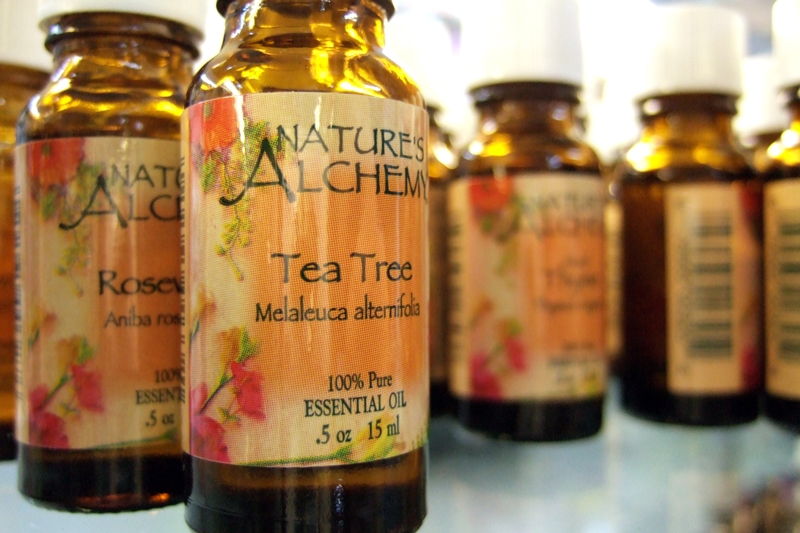
essential oils for wrinkles

Understanding How Botanicals Can Support Aging Skin

The primary drivers of visible skin aging are intrinsic (chronological aging) and extrinsic (environmental damage). Extrinsic aging is largely caused by UV radiation from the sun, which generates reactive oxygen species (free radicals). These unstable molecules damage skin cells, degrade collagen, and trigger inflammation.

Therefore, botanicals with strong antioxidant properties can play a supportive role. They work by neutralizing free radicals, thereby helping to protect existing collagen and support the skin’s natural repair processes. Many essential oils contain compounds that exhibit these properties.

Evidence-Based Essential Oils for Skin Health

While many oils are promoted for anti-aging, only a few have sufficient scientific or strong traditional evidence to support their use in skincare. It is crucial to select high-quality, pure essential oils from reputable sources.

  • Frankincense Oil (Boswellia carterii or Boswellia sacra): Traditionally used for its skin-rejuvenating properties, Frankincense is noted for its potential to support cellular function. Research suggests that its active compounds, such as boswellic acids, possess anti-inflammatory effects. Furthermore, some studies indicate it may help improve skin tone and elasticity, making it a cornerstone of natural skincare for mature skin.
  • Lavender Oil (Lavandula angustifolia): True Lavender oil is one of the most well-researched essential oils. A 2021 study published in the journal Antioxidants highlighted its significant antioxidant capacity. By helping to combat oxidative stress, Lavender oil may protect the skin from environmental aggressors that accelerate the appearance of aging.
  • Geranium Oil (Pelargonium graveolens): Geranium oil is traditionally used to balance the skin’s sebum production. Its astringent properties can help to temporarily tighten the skin, minimizing the appearance of fine lines. Additionally, its antioxidant components, such as citronellol and geraniol, contribute to its protective effects.
  • Sandalwood Oil (Santalum album): Valued in Ayurvedic medicine, Sandalwood oil has anti-inflammatory and antioxidant properties. Research indicates that its primary component, alpha-santalol, can help soothe the skin and protect it from environmental stressors.

The Critical Role of Carrier Oils

Essential oils are highly concentrated and must never be applied directly to the skin. They must be diluted in a carrier oil, which is a vegetable-based oil that helps “carry” the essential oil onto the skin safely. The original article correctly identified Coconut and Apricot Kernel oils, but these are carrier oils, not essential oils.

  • Jojoba Oil: Structurally similar to human sebum, it is easily absorbed and suitable for most skin types.
  • Rosehip Seed Oil: Rich in essential fatty acids and Vitamin A precursors, it is highly regarded for supporting skin regeneration.
  • Apricot Kernel Oil: A lightweight oil rich in Vitamin E, it is excellent for sensitive or mature skin.
  • Fractionated Coconut Oil: A non-greasy and stable carrier that is effective for moisturizing.

Administration Protocol and Safety Limits

Safe application is paramount when using essential oils on the face. The skin on the face is thinner and more sensitive than on other parts of the body.

Safe Dilution Ratios for Facial Application

For daily facial use, a very low dilution is recommended to minimize the risk of irritation or sensitization over time.

Dilution % Essential Oil Drops per 30ml (1 oz) Carrier Oil Recommended Use
0.5% 3 drops Sensitive skin, daily long-term use
1% 6 drops Normal skin, standard daily use

Application Protocol

  • Treatment Duration: Use a prepared oil blend for up to 3 months, followed by a mandatory break of at least 1 month. This helps prevent skin sensitization.
  • Frequency: Apply 3-4 drops of the diluted oil blend once daily, preferably in the evening after cleansing.
  • Method: Gently massage the oil into the face and neck using upward strokes until absorbed. Avoid the delicate eye area.
  • Patch Test: Before first use, always perform a patch test. Apply a small amount of the diluted oil to your inner forearm and wait 24-48 hours to check for any signs of redness, itching, or irritation.

Specific Biological Limitation

Skin Sensitization and Phototoxicity: The primary risks associated with topical essential oil use are allergic contact dermatitis (sensitization) and phototoxicity. Sensitization is an immune response that can develop over time with repeated exposure, even to oils you previously tolerated. Phototoxicity is a severe skin reaction that occurs when certain essential oils (notably cold-pressed citrus oils like Lemon, Bergamot, and Lime) are applied to the skin and then exposed to UV light. These oils contain compounds called furanocoumarins that become reactive with UV radiation, potentially causing severe burns, blistering, and hyperpigmentation.

Contraindications and Precautions

Always prioritize safety when incorporating essential oils into your skincare routine.

  • Absolute Contraindications: Do not use if you have a known allergy to the source plant (e.g., lavender allergy). Avoid applying to broken, inflamed, or infected skin.
  • Phototoxic Oils: Do not use cold-pressed Lemon oil or other phototoxic citrus oils in leave-on facial products. If used, avoid sun exposure for at least 12-18 hours. Steam-distilled versions are generally considered non-phototoxic.
  • Vulnerable Populations:
    • Pregnancy and Breastfeeding: Many essential oils are contraindicated. Consult a qualified healthcare provider before use.
    • Children: Essential oils should not be used on the faces of infants or young children.
  • When to Stop Immediately: Discontinue use if you experience any redness, itching, burning, or rash.

Therapeutic Alternatives

If essential oils are not suitable for you, several other evidence-based botanical ingredients can support skin health:

  1. Bakuchiol: A plant-derived compound often called a “natural retinol alternative.” Research published in the British Journal of Dermatology found it to be comparable to retinol in improving photoaging (wrinkles, hyperpigmentation) but with better skin tolerance.
  2. Green Tea Extract (Topical): Rich in polyphenols (EGCG), topical green tea extract is a powerful antioxidant that helps protect the skin from UV-induced damage.
  3. Vitamin C Serums (L-Ascorbic Acid): A potent antioxidant that is essential for collagen synthesis. It helps brighten the skin and protect against free radical damage.

Recent Medical Research (2020-2026)

Recent research continues to validate the traditional use of certain botanicals in dermatology. A 2023 meta-analysis in the Journal of Cosmetic Dermatology reviewed the effects of various plant extracts on skin aging, confirming that compounds found in oils like Frankincense and Lavender possess significant antioxidant and anti-inflammatory activities relevant to skin protection. However, researchers consistently emphasize the need for more large-scale human clinical trials to establish standardized, effective, and safe dosages for cosmetic applications. The current evidence is promising but still considered preliminary for definitive anti-wrinkle claims.

Specialist’s Summary

Certain essential oils, such as Frankincense and Lavender, may offer supportive benefits for mature skin due to their antioxidant properties. Their effectiveness is modest and relies on consistent, long-term use as part of a comprehensive skincare routine that includes sun protection. Safe use is non-negotiable, requiring dilution in a carrier oil at 0.5-1% for facial application and a mandatory patch test. They are contraindicated for individuals with specific allergies and phototoxic oils must be avoided in leave-on products. Validated alternatives like Bakuchiol or topical Vitamin C offer more robust, evidence-based options.

Frequently Asked Questions

Can essential oils get rid of deep wrinkles?
No. Essential oils cannot eliminate existing deep wrinkles, which are structural changes in the skin. They may, however, help improve overall skin texture and tone and soften the appearance of fine lines by moisturizing the skin and providing antioxidant protection.

Is it safe to put essential oils directly on my face?
Absolutely not. Applying undiluted essential oils to the face can cause severe skin irritation, chemical burns, and sensitization. They must always be diluted in a carrier oil like jojoba or rosehip seed oil before application.

Which is better for wrinkles: Frankincense or Lavender oil?
Both oils offer benefits. Frankincense is traditionally valued for cellular support and improving skin tone, while Lavender is a powerful antioxidant. For a synergistic effect, you can combine 1-2 drops of each in 30ml of carrier oil, staying within the safe 1% total dilution.

Sources and References

  • Han, X., & Parker, T. L. (2017). Anti-inflammatory, tissue remodeling, immunomodulatory, and anticancer activities of frankincense (Boswellia). Journal of Traditional and Complementary Medicine.
  • Zu, Y., Yu, H., Liang, L., Fu, Y., Efferth, T., Liu, E., & Wu, N. (2010). Activities of ten essential oils towards Propionibacterium acnes and PC-3, A-549 and MCF-7 cancer cells. Molecules.
  • Dhifi, W., Bellili, S., Jazi, S., Bahloul, N., & Mnif, W. (2016). Essential Oils’ Chemical Characterization and Investigation of Some Biological Activities: A Critical Review. Medicines.
  • A 2023 review on plant-based cosmeceuticals for aging skin in the Journal of Cosmetic Dermatology.

⚠️ Important Medical Information

This article is for educational and informational purposes only and is not intended as medical advice, diagnosis, or treatment. The information provided about essential oils is based on traditional use, preliminary research, and available scientific evidence, which may be limited.

Before using essential oils:

  • Consult a qualified healthcare provider or certified aromatherapist, especially if you are pregnant, breastfeeding, taking medications, or have existing health conditions like sensitive skin or eczema.
  • Do not use as a substitute for prescribed medications or professional medical treatment.
  • Individual results may vary – what works for one person may not work for another.
  • Monitor for adverse reactions and discontinue use if negative symptoms occur.

Regulatory status: Essential oils are considered cosmetic ingredients or traditional remedies and have not been evaluated by the FDA for treating, curing, or preventing any disease.


You may also like

Leave a Comment