Apple Cider Vinegar for Varicose Veins: Uses and Safety Guide

by Andreea Smiterson
0 comments
A+A-
Reset

Varicose veins are a common condition characterized by swollen, twisted veins that are visible just under the surface of the skin, most often in the legs. While they are frequently a cosmetic concern, they can also cause symptoms such as pain, aching, heaviness, and cramping. Consequently, many people explore complementary therapies like apple cider vinegar (ACV) for potential relief. However, it is crucial to approach this remedy with an understanding of its limitations and safety protocols.

This article provides an evidence-based overview of using apple cider vinegar for varicose veins, focusing on what scientific research suggests, its potential mechanisms, and clear safety guidelines for its use. This information is for educational purposes and should not replace professional medical advice.

apple cider vinegar for varicose veins

Understanding Varicose Veins and Potential ACV Mechanisms

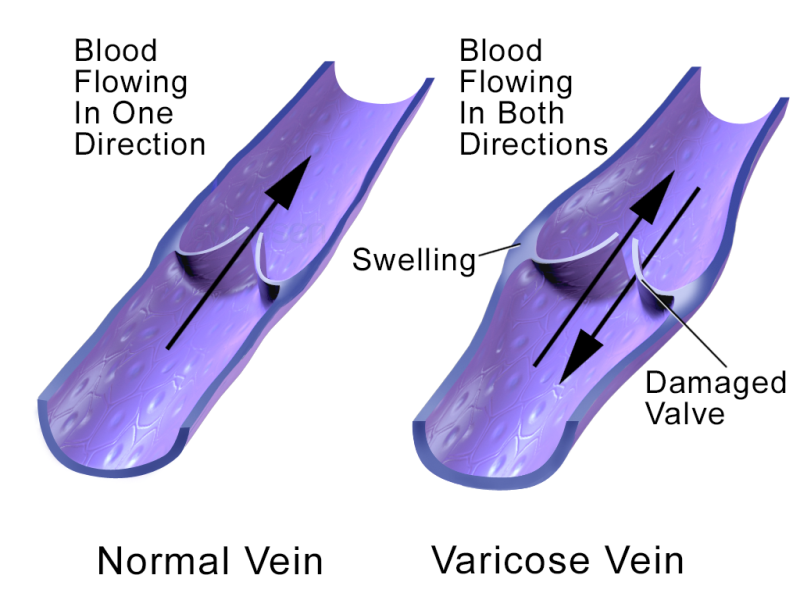
Varicose veins develop due to chronic venous insufficiency, a condition where the one-way valves inside the veins weaken or fail. As a result, blood flows backward and pools in the veins, causing them to stretch and bulge. Factors that increase the risk include genetics, age, prolonged standing, obesity, and hormonal changes during pregnancy or menopause.

The use of apple cider vinegar for this condition is primarily rooted in traditional medicine and a single clinical study. The proposed mechanisms, while not robustly proven, include:

  • Astringent Properties (Topical): When applied to the skin, ACV may have a temporary tightening or toning effect due to its acidic nature. Theoretically, this could help constrict blood vessels and temporarily reduce swelling, though this effect is likely superficial.
  • Anti-inflammatory Effects (Internal): Some preliminary research suggests that acetic acid, the main component of ACV, may possess anti-inflammatory properties. Since inflammation can contribute to the discomfort of varicose veins, internal consumption might offer some symptomatic relief.

It is important to note that a Turkish study conducted at Mustafa Kemal University in 2016 explored the effects of topical ACV application on patients with varicose veins. The group using ACV reported a significant reduction in symptoms like pain, cramps, and edema compared to the control group. However, this is a single, small-scale study, and more extensive research is needed to validate these findings.

Administration Protocol and Safety Limits

If you choose to use apple cider vinegar, adhering to strict safety protocols is essential to prevent adverse effects. The following guidelines apply to healthy adults.

Topical Application (Compresses)

  • Preparation: Always dilute raw, unfiltered apple cider vinegar with an equal part of water (1:1 ratio) to reduce the risk of skin irritation. Never apply undiluted ACV directly to the skin.
  • Patch Test: Before the first full application, apply a small amount of the diluted solution to a patch of skin on your inner arm. Wait 24 hours to check for any signs of redness, itching, or irritation.
  • Application: Soak a clean cloth or cotton pad in the diluted ACV solution. Gently place it over the affected areas without applying deep pressure or massaging the varicose veins directly, as this can be harmful. Leave the compress on for 20-30 minutes.
  • Frequency: Apply once or twice daily.
  • Duration: Use for a maximum of 30 consecutive days, followed by a mandatory break of at least 14 days to allow the skin to recover.

Internal Consumption

  • Maximum Daily Dose: Do not exceed 1-2 tablespoons (15-30 ml) of apple cider vinegar per day.
  • Dilution: Always dilute each tablespoon of ACV in a large glass of water (at least 8 oz or 240 ml) to protect tooth enamel and the esophagus.

  • Timing: Consume it with meals to minimize potential digestive upset and buffer its acidity.
  • Method: Consider drinking through a straw to further reduce contact with your teeth. Rinse your mouth with plain water after consumption.
  • Duration: Limit continuous internal use to 4-6 weeks, followed by a 2-week break.

Specific Biological Limitation

The primary active component in apple cider vinegar is acetic acid. While responsible for its potential benefits, its acidity is also its main limitation. Topically, prolonged use of acidic solutions can disrupt the skin’s natural pH barrier, leading to dryness, irritation, and increased sensitivity. Internally, the acid can erode tooth enamel over time and may exacerbate conditions like acid reflux or gastritis. Therefore, dilution and limited duration of use are non-negotiable safety measures.

Contraindications and Precautions

Despite being a common household product, apple cider vinegar is not suitable for everyone. It is crucial to be aware of the following contraindications.

Absolute Contraindications

  • Gastroparesis: ACV can delay stomach emptying, which can worsen symptoms for individuals with this condition.
  • Chronic Kidney Disease: Damaged kidneys may struggle to process the excess acid from ACV.
  • Low Potassium Levels (Hypokalemia): High intake of ACV may lower potassium levels, which is dangerous for those already deficient.
  • Allergy to Apples or Pectin: Individuals with these allergies should avoid ACV.

Vulnerable Populations

  • Pregnancy and Breastfeeding: Due to a lack of safety data, both internal and topical use should be avoided.
  • Children: Not recommended for internal use in children due to potential effects on developing digestive systems and tooth enamel.

Major Drug Interactions

  • Diuretics: Combining ACV with certain diuretics (like Lasix) can further lower potassium levels, leading to weakness and heart rhythm problems.
  • Insulin and Diabetes Medications: ACV can affect blood sugar levels. Combining it with diabetes medication may cause blood sugar to drop too low (hypoglycemia). Therefore, medical supervision is essential.
  • Digoxin (Lanoxin): This heart medication can also be affected by low potassium levels, and its risk of side effects increases when combined with ACV.

Therapeutic Alternatives for Venous Health

If apple cider vinegar is not suitable or effective, several evidence-based botanical alternatives can support venous health. Importantly, you should consult a healthcare provider before starting any new supplement.

Alternative Mechanism and Use
Horse Chestnut (Aesculus hippocastanum) Contains aescin, a compound shown in numerous clinical trials to improve venous tone, reduce capillary permeability, and decrease swelling and pain associated with chronic venous insufficiency. It is a well-established venotonic agent.
Butcher’s Broom (Ruscus aculeatus) Rich in ruscogenins, this herb helps constrict veins and strengthen their walls. The European Medicines Agency (EMA) recognizes its use for relieving symptoms of discomfort and heaviness in the legs related to minor venous circulatory disturbances.
Gotu Kola (Centella asiatica) This plant supports connective tissue health and strengthens the walls of blood vessels. Research indicates it can improve circulation and reduce swelling and fluid leakage from veins.

Recent Medical Research (2020-2026)

Scientific interest in apple cider vinegar continues, but high-quality research on its specific effects on varicose veins remains very limited. The 2016 Turkish study is still the primary clinical reference. Since then, most research has focused on ACV’s metabolic effects, such as its impact on blood sugar and weight management, rather than on vascular health.

Current Limitations: There are no large-scale, randomized controlled trials confirming the efficacy or long-term safety of ACV for treating varicose veins. Furthermore, the existing evidence does not suggest that ACV can reverse existing varicose veins or prevent new ones from forming. Its role appears to be purely symptomatic and supportive.

Updated Scientific Verdict: The current scientific consensus is that apple cider vinegar is not a cure for varicose veins. At best, it may offer mild, temporary relief from symptoms when used topically as a compress, but it does not address the underlying cause of venous insufficiency.

Specialist’s Summary

Apple cider vinegar is a traditional remedy that may offer mild symptomatic relief for the discomfort of varicose veins, primarily through topical application. However, the scientific evidence supporting its use is minimal and limited to one small study. It is contraindicated for individuals with certain digestive or kidney conditions and interacts with critical medications like diuretics and insulin. For evidence-based support, validated botanical alternatives like Horse Chestnut or Butcher’s Broom are more reliable options for managing chronic venous insufficiency.

Frequently Asked Questions

1. Can apple cider vinegar cure my varicose veins?

No. There is no scientific evidence that apple cider vinegar can cure, reverse, or eliminate varicose veins. It does not repair faulty vein valves, which is the root cause of the condition. Its potential benefits are limited to temporary, symptomatic relief of issues like swelling or aching.

2. How long does it take to see results with ACV for leg veins?

According to the 2016 study, participants who applied topical compresses twice daily reported improvements in their symptoms after 30 days. However, results are not guaranteed and will vary significantly between individuals. Any improvement is likely to be modest.

3. Is it safe to massage apple cider vinegar into varicose veins?

No. You should never apply deep pressure or massage directly over varicose veins. These veins are fragile, and vigorous rubbing could cause inflammation, pain, or, in rare cases, lead to the formation of a blood clot (superficial thrombophlebitis).

4. Is ACV safe for children, during pregnancy, or while breastfeeding?

No. Due to a lack of safety studies, apple cider vinegar supplements or topical treatments are not recommended for these vulnerable populations. Hormonal changes during pregnancy can worsen varicose veins, so it is essential to consult a healthcare provider for safe management strategies.

Sources and References

Recent Studies:

  1. Kocyigit, A., Koyuncu, H. I., & Keles, A. (2016). The effects of external apple cider vinegar application on varicose veins. Evidence-Based Complementary and Alternative Medicine, 2016, 7680649. Link to study
  2. Johnston, C. S., & Gaas, C. A. (2006). Vinegar: medicinal uses and antiglycemic effect. MedGenMed: Medscape general medicine, 8(2), 61.

Official Monographs:

  • European Medicines Agency (EMA). (2010). Community herbal monograph on Ruscus aculeatus L., rhizoma. EMA – Ruscus aculeatus
  • World Health Organization (WHO). (2002). WHO Monographs on Selected Medicinal Plants – Volume 2: Semen Aesculi Hippocastani. WHO – Aesculus hippocastanum

⚠️ Important Medical Information

This article is for educational and informational purposes only and is not intended as medical advice, diagnosis, or treatment. The information provided about Apple Cider Vinegar is based on traditional use, preliminary research, and available scientific evidence, which may be limited.

Before using Apple Cider Vinegar:

  • Consult a qualified healthcare provider, especially if you are pregnant, breastfeeding, taking medications, or have existing health conditions like diabetes or kidney disease.
  • Do not use as a substitute for prescribed medications or professional medical treatment for varicose veins, such as compression therapy or other procedures.
  • Individual results may vary – what works for one person may not work for another.
  • Monitor for adverse reactions, such as skin irritation or digestive upset, and discontinue use if negative symptoms occur.


You may also like

Leave a Comment