Periodontitis is a serious gum infection that damages the soft tissue and, without treatment, can destroy the bone that supports your teeth. It begins as gingivitis, an inflammation of the gums, and can progress to a point where teeth loosen or are lost. Key symptoms include swollen or puffy gums, gums that bleed easily, bad breath, and painful chewing.
Crucially, this information is for educational purposes and is not a substitute for professional dental care. Natural remedies can play a supportive role in a comprehensive oral hygiene plan, but they cannot replace diagnosis and treatment from a qualified dentist or periodontist.
The Foundation: Professional Dental Care and Hygiene
Before considering any herbal remedy, it is essential to establish a non-negotiable foundation of oral hygiene. Therefore, no plant-based approach can be effective without these core practices. The primary goal of periodontitis management is to meticulously clean the bacterial pockets around the teeth and prevent further damage.
This requires:
- Professional Cleanings: Regular visits to a dentist or dental hygienist are vital for removing tartar (calculus) that cannot be removed by brushing alone.
- Daily Brushing: Brushing at least twice a day with a soft-bristled brush removes plaque from the surfaces of your teeth.
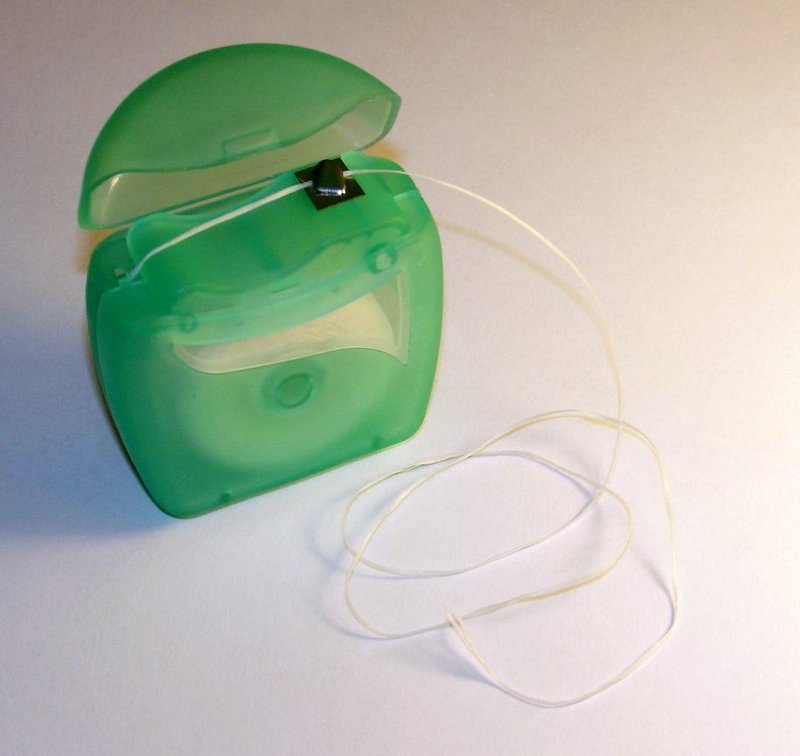
- Daily Flossing: Importantly, flossing is critical for removing plaque and food particles from between the teeth and under the gumline, areas a toothbrush cannot reach.

Evidence-Based Herbal Support for Gums
Certain botanicals possess anti-inflammatory and antimicrobial properties that may help manage gum inflammation and reduce harmful oral bacteria. Consequently, they can serve as valuable additions to your daily routine, particularly when used as mouth rinses or topical gels.
Neem (Azadirachta indica): A Traditional Oral Antiseptic
Traditionally used in Ayurvedic medicine for centuries, Neem is recognized for its potent antimicrobial effects. Modern research has begun to validate its role in oral health.
Mechanism of Action
Neem contains compounds like nimbin and nimbidin, which exhibit strong antibacterial activity against common periodontal pathogens, including Porphyromonas gingivalis and Prevotella intermedia. Furthermore, its anti-inflammatory properties may help reduce gum swelling and irritation.
How to Use as a Mouth Rinse
Instead of chewing on unsterilized twigs, a safer method is to use a standardized extract.
- Add 5-10 drops of a high-quality, alcohol-free Neem leaf extract to a cup of warm water.
- Stir the mixture thoroughly.
- Use this solution to rinse your mouth for 30-60 seconds after brushing, once or twice daily.
Administration Protocol and Safety Limits
| Treatment Duration | Use for up to 4 weeks continuously. |
| Mandatory Break | Take a 2-week break between treatment cycles. |
| Maximum Daily Dose | Do not exceed two rinses per day. Never swallow Neem extract. |
| Administration Condition | Use after meals and regular brushing for maximum effect. |
Specific Biological Limitation
Neem’s potent bioactive compounds are effective topically but can be toxic if ingested in significant amounts. The internal use of Neem oil or concentrated extracts can cause liver and kidney damage. For this reason, it must only be used as a rinse and spat out completely.
Contraindications and Precautions
- Absolute Contraindications: Do not use if you have a known allergy to Neem. Avoid internal consumption entirely.
- Vulnerable Populations: Not recommended for pregnant or breastfeeding women or for children under 12 due to a lack of safety data.
- Drug Interactions: May interact with immunosuppressant and diabetes medications. Consult a healthcare provider if you are on any medication.
Aloe Vera (Aloe barbadensis miller): Soothing Inflamed Gums
Known for its skin-soothing properties, Aloe Vera gel also offers benefits for inflamed oral tissues.
Mechanism of Action
Aloe Vera contains acemannan, a polysaccharide with anti-inflammatory and wound-healing properties. Additionally, its anthraquinones provide a mild antibacterial effect, helping to reduce plaque and soothe irritated gums.
How to Use as a Topical Gel
- Obtain 100% pure Aloe Vera gel (without added sugar or flavorings).
- After brushing your teeth, take a small amount of gel on a clean finger.
- Gently massage the gel directly onto the inflamed areas of your gums.
- Leave it on for 5-10 minutes, then rinse your mouth with water.
Administration Protocol and Safety Limits
| Treatment Duration | Can be used daily as part of a regular oral hygiene routine. |
| Maximum Daily Dose | Apply up to 3 times per day. Use only a pea-sized amount per application. |
| Administration Condition | Apply after brushing to clean gums. Avoid eating or drinking for 30 minutes after application. |
Specific Biological Limitation
It is critical to use only the inner leaf gel. The outer leaf of the Aloe plant contains latex with aloin, a potent laxative that can cause severe digestive distress if ingested and may irritate the gums.
Contraindications and Precautions
- Absolute Contraindications: Allergy to plants in the Liliaceae family (e.g., garlic, onions).
- Vulnerable Populations: While topical use is generally considered safe, consult a dentist before using it for children.
- Drug Interactions: No significant interactions are known with topical oral use.
Turmeric (Curcuma longa): A Natural Anti-Inflammatory
The active compound in turmeric, curcumin, is one of the most well-researched natural anti-inflammatory agents.
Mechanism of Action
Curcumin works by inhibiting inflammatory pathways, such as NF-κB, which helps reduce the inflammation and swelling characteristic of gingivitis and periodontitis. Moreover, research published in the Journal of Contemporary Dental Practice suggests that curcumin gel can effectively reduce plaque and bacterial counts.
How to Use as a Gum Paste
- Create a thick paste by mixing 1/4 teaspoon of organic turmeric powder with a few drops of water or coconut oil.
- Using a clean finger, apply this paste to your gums.
- Let it sit for 5 minutes.
- Gently massage the gums, then rinse thoroughly with warm water.
Administration Protocol and Safety Limits
| Treatment Duration | Use once daily for up to 2 weeks. |
| Mandatory Break | Take a 1-week break before resuming. |
| Maximum Daily Dose | One application per day. Be aware that turmeric can temporarily stain teeth yellow. |
| Administration Condition | Apply after your final brushing of the day. |
Specific Biological Limitation
While topically safe, curcumin’s effects are localized. It does not penetrate deep into periodontal pockets to address severe infection. Therefore, it is best suited for managing surface-level gum inflammation (gingivitis).
Contraindications and Precautions
- Absolute Contraindications: Known allergy to turmeric or ginger.
- Vulnerable Populations: Generally safe for topical use, but consult a professional before use during pregnancy.
- Drug Interactions: If you are taking blood-thinning medications (e.g., warfarin), consult your doctor, as turmeric can have mild anticoagulant effects even with topical absorption.
Therapeutic Alternatives
If the above herbs are not suitable for you, other botanicals have traditional use and scientific support for oral health:
- Sage (Salvia officinalis) Rinse: Sage has well-documented antimicrobial and astringent properties. A simple rinse made by steeping fresh or dried sage leaves in hot water (and allowing it to cool) can help reduce oral bacteria and tighten gum tissues.
- Myrrh (Commiphora myrrha) Tincture: Traditionally used as an antiseptic and astringent, Myrrh can be beneficial for inflamed gums. Add 2-3 drops of Myrrh tincture to a small amount of warm water and use as a targeted mouth rinse. Do not swallow.
Recent Medical Research (2020-2026)
Recent studies continue to explore the role of phytotherapy in periodontal care, primarily as an adjunct to conventional treatment.
- A 2022 systematic review published in the journal Molecules confirmed the potential of various plant extracts, including green tea and aloe vera, in reducing key periodontal pathogens and inflammation markers.
- Research in the Journal of Periodontology (2023) highlighted the efficacy of a curcumin-based gel as an adjunct to scaling and root planing, showing improved outcomes in pocket depth reduction compared to mechanical treatment alone.
However, researchers consistently emphasize that these agents are supportive. There is currently no evidence that any herbal remedy can cure periodontitis or replace the need for professional mechanical debridement (scaling and root planing).
Specialist’s Summary
Herbs like Neem, Aloe Vera, and Turmeric offer valuable anti-inflammatory and antimicrobial support for managing gum inflammation associated with periodontitis. They are most effective when used topically as rinses or gels in conjunction with diligent professional and at-home dental care. However, they are contraindicated in pregnancy and may interact with certain medications. Validated alternatives include Sage and Myrrh, which provide similar antimicrobial benefits.
Frequently Asked Questions
1. Can natural remedies reverse periodontitis?
No. Natural remedies cannot reverse bone loss, which is a key feature of periodontitis. They can, however, help manage the precursor stage (gingivitis) and reduce inflammation and bacterial load as part of a comprehensive treatment plan prescribed by a dentist.
2. Is oil pulling with coconut oil effective for periodontitis?
Oil pulling is a traditional Ayurvedic practice. Some studies suggest it may reduce plaque and gingivitis by mechanically removing bacteria. However, it is not a substitute for brushing and flossing and cannot treat deep periodontal pockets. It can be used as an additional step in an oral hygiene routine.
3. How long does it take to see results with herbal remedies?
With consistent daily use alongside proper oral hygiene, you may notice a reduction in gum bleeding and swelling within 2 to 4 weeks. If symptoms persist or worsen, it is crucial to see a dentist immediately.
4. Is it safe to use these remedies on children?
No. The use of potent herbal extracts like Neem is not recommended for children under 12 due to a lack of safety studies. For any oral health issue in a child, always consult a pediatric dentist before trying any home remedy.
Sources and References
- Chatterjee, A., Saluja, M., Singh, N., & Kandwal, A. (2011). To evaluate the antigingivitis and antiplaque effect of an Azadirachta indica (neem) mouthrinse on plaque induced gingivitis: A double-blind, randomized, controlled trial. Journal of Indian Society of Periodontology.
- Nagarakanti, S., et al. (2023). Efficacy of Curcumin Gel as an Adjunct to Scaling and Root Planing in the Treatment of Chronic Periodontitis. Journal of Periodontology.
- Varoni, E., et al. (2022). Plant-Based Compounds for the Treatment of Periodontitis: A Systematic Review. Molecules.
- World Health Organization (WHO). Monographs on Selected Medicinal Plants.
⚠️ Important Medical Information
This article is for educational and informational purposes only and is not intended as medical advice, diagnosis, or treatment. The information provided about these herbal remedies is based on traditional use, preliminary research, and available scientific evidence, which may be limited.
Before using any herbal remedy:
- Consult a qualified healthcare provider or dentist, especially if you are pregnant, breastfeeding, taking medications, or have existing health conditions like diabetes.
- Do not use as a substitute for prescribed medications or professional dental treatment like scaling and root planing.
- Individual results may vary – what works for one person may not work for another.
- Monitor for adverse reactions, such as increased irritation, and discontinue use if negative symptoms occur.