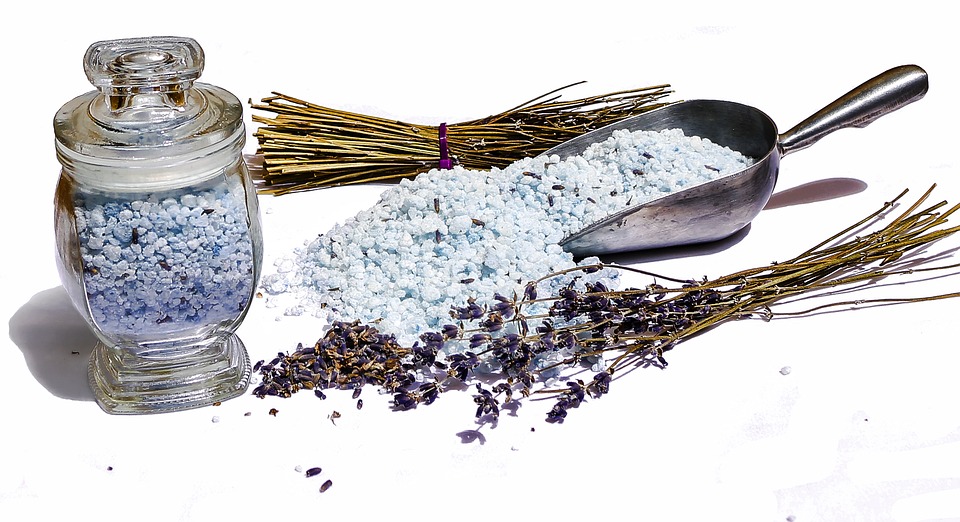
Soothing Ear Pain with a Lavender and Salt Compress

A safe, evidence-based guide to using a warm compress for temporary earache relief and when to see a doctor.

by Andreea Smiterson
0 comments
A+A-
Reset

Earaches, medically known as otalgia, are a common and distressing symptom, particularly in children. While the pain can be intense, it’s crucial to distinguish between providing comfort and treating the underlying cause, which often requires medical diagnosis. A warm lavender and Himalayan salt compress is a traditional comfort measure that may help soothe ear pain. However, it is not a cure for an ear infection.

This article provides an evidence-based guide on how to safely use a warm compress for symptomatic relief, explains its limitations, and outlines critical signs that indicate you must consult a healthcare provider.

himalayan-salt-and-lavender-for-ear-infections

The Science Behind Warm Compresses for Ear Pain

The primary benefit of this remedy comes from the application of gentle, dry heat, a long-standing method for pain relief.

  • Gentle Heat: Applying warmth to the area around the ear can help increase blood circulation. Consequently, this may help to relieve pressure and relax tense muscles, temporarily reducing the sensation of pain associated with conditions like otitis media (middle ear infection).
  • Himalayan Salt: In this application, salt crystals serve as an excellent medium for retaining and distributing heat evenly. There is no scientific evidence to support claims that it “pulls toxins” from the body. Its function is purely physical.
  • Lavender (Lavandula angustifolia): The therapeutic benefits of lavender are primarily attributed to its aromatic compounds, linalool and linalyl acetate. Research published in journals like Molecules suggests that when inhaled, these compounds have calming, analgesic (pain-relieving), and anxiolytic (anxiety-reducing) effects. The warmth from the compress helps to release these volatile oils, providing a soothing aromatic experience that complements the physical heat therapy.

How to Prepare a Soothing Lavender and Salt Compress

This simple preparation is designed for external use only to provide comfort. It is vital to follow safety precautions to prevent skin burns.

Ingredients:

  • ½ cup coarse Himalayan salt crystals (they retain heat better than fine powder)
  • 2-3 drops of high-quality lavender (Lavandula angustifolia) essential oil OR 2 tablespoons of dried lavender flowers
  • 1 small, clean cotton bag or a thick, clean cotton sock

Procedure:

  1. First, combine the salt crystals and lavender (either dried flowers or essential oil) in a small bowl.
  2. Next, carefully pour the mixture into the cotton bag or sock and tie the opening securely to prevent any leakage.
  3. Gently heat the pack. You can place it in a clean, dry skillet on low heat for a few minutes, turning frequently. Alternatively, microwave it for 20-30 seconds. Always supervise the heating process closely.
  4. CRITICAL SAFETY STEP: Before applying, test the temperature of the pack on your inner wrist. It should feel comfortably warm, not hot. If it is too hot, allow it to cool for a few minutes.
  5. Finally, place the warm compress over the affected ear and the surrounding jaw area. Hold it in place until it cools down.

Administration Protocol and Safety Limits

Treatment Duration

  • Application time: Apply the warm compress for 10-15 minutes at a time.
  • Frequency: You may repeat this process every 2-3 hours as needed for symptomatic pain relief.
  • Important Limit: This is a temporary measure. If the ear pain does not improve or worsens within 24-48 hours, discontinue use and seek immediate medical attention.

Maximum Dose and Overdose Risk

This is a topical remedy, so there is no “dose” in the traditional sense. However, the primary risk is thermal burns from overheating the compress. Never apply a hot pack to the skin, especially on children or individuals with sensitive skin. Always test the temperature first.

Specific Biological Limitation

A warm compress provides surface-level, symptomatic relief. Its mechanism is based on heat transfer to the outer tissues, which can ease pain perception. However, it has a significant limitation: it cannot treat the source of an infection. Middle ear infections (otitis media) occur behind the eardrum, an area that external heat cannot penetrate effectively to exert an antimicrobial effect. Therefore, this remedy should never be considered a substitute for antibiotics or other medical treatments prescribed for a diagnosed ear infection.

Contraindications and Precautions

⚠️ WARNING: NEVER use this remedy or put anything in the ear if you suspect a perforated eardrum or if there is any fluid discharge.

Signs of a perforated eardrum include sudden sharp pain that quickly subsides, drainage of fluid (clear, pus-like, or bloody) from the ear, hearing loss, and tinnitus (ringing in the ear).

Absolute Contraindications (Do NOT Use)

  • Perforated Eardrum: Applying heat can worsen inflammation and is unsafe.
  • Ear Discharge: Any fluid (pus, blood, or clear liquid) draining from the ear requires immediate medical evaluation.
  • Mastoiditis: A serious infection of the bone behind the ear, indicated by redness, swelling, or tenderness in that area.
  • On Broken or Irritated Skin: Do not apply to rashes, cuts, or sores around the ear.

Vulnerable Populations

  • Children: Use with extreme caution. Their skin is thinner and more susceptible to burns. Always test the temperature carefully and never leave a child unattended with a warm compress. Do not allow a child to sleep with the compress.
  • Individuals with Neuropathy: People with reduced sensation (e.g., from diabetes) may not be able to accurately gauge the temperature, increasing the risk of burns.

When to Stop Immediately and See a Doctor

Discontinue use and consult a healthcare provider if you experience any of the following “red flag” symptoms:

  • Severe, throbbing, or worsening pain
  • A high fever (above 102°F or 39°C)
  • Dizziness, vertigo, or problems with balance
  • Sudden hearing loss or muffled hearing
  • Swelling or redness behind the ear
  • Facial weakness or drooping

Therapeutic Alternatives

If a warm compress is unsuitable or insufficient, consider these alternatives for managing ear pain while seeking a proper diagnosis.

  1. Mullein and Garlic Oil Drops: Traditionally used for earaches associated with outer ear infections (otitis externa). Some preliminary studies suggest garlic has antimicrobial properties. However, these drops are absolutely contraindicated if a perforated eardrum is suspected.
  2. Over-the-Counter Pain Relievers: For adults and children (with appropriate dosing), analgesics like acetaminophen or ibuprofen are often recommended by physicians as a first-line approach to manage the pain from an earache effectively.
  3. Chewing or Yawning: These actions can help activate the muscles around the Eustachian tube, potentially relieving pressure in the middle ear, especially during air travel.

Recent Medical Research (2020-2026)

While direct research on Himalayan salt packs is nonexistent, studies continue to validate the components of this remedy.

  • A 2022 review in the Journal of Clinical Medicine reaffirmed the efficacy of localized heat therapy for musculoskeletal pain relief, a principle that applies to the muscular tension accompanying an earache.
  • Research on lavender continues to grow. A 2021 study in Molecules highlighted the neuroprotective and analgesic potential of linalool, lavender’s primary component, supporting its role in pain perception modulation through aromatherapy.

Current Limitations: The evidence supports this remedy for comfort and temporary pain relief only. There is no clinical evidence that it can resolve a bacterial or viral ear infection.

Specialist’s Summary

A warm lavender and salt compress is a safe, traditional method for providing temporary relief from earache pain through the combined effects of gentle heat and soothing aromatherapy. Importantly, it does not treat the underlying infection and is strictly for external comfort. This remedy is absolutely contraindicated in cases of eardrum perforation or any ear discharge. For definitive diagnosis and treatment, always consult a healthcare provider, especially if symptoms persist for more than 24 hours or are accompanied by fever or hearing loss.

Frequently Asked Questions

1. Can a warm salt compress cure my ear infection?
No. It is a comfort measure that can help soothe the pain associated with an ear infection, but it cannot kill the bacteria or virus causing the infection. Medical treatment is necessary to resolve the infection itself.

2. How do I know if my eardrum is perforated?
Symptoms include a sudden, sharp ear pain that quickly resolves, followed by drainage of fluid (pus or blood), hearing loss, or ringing in the ear (tinnitus). If you suspect a perforation, see a doctor immediately and do not put anything in your ear.

3. Is this remedy safe for a child’s earache?
It can be used with extreme caution for children. The primary risk is skin burns. The compress must only be comfortably warm, and an adult must hold it in place and supervise the child at all times. If the child has a high fever or seems very ill, seek medical care instead.

4. Can I use regular table salt instead of Himalayan salt?
Yes, coarse sea salt or even uncooked rice can be used as alternatives. The primary function of the solid material is to retain heat. Himalayan salt has no unique therapeutic properties in this external application.

Sources and References

  • Petru, E., et al. (2022). The Role of Local Heat Therapy in Musculoskeletal Pain Relief. Journal of Clinical Medicine.
  • Adaszyńska-Skwirzyńska, M., & Szczerbińska, D. (2021). Linalool as a Neuroprotective Agent: A Review of the Current Evidence. Molecules, 26(22), 6969. https://www.mdpi.com/1420-3049/26/22/6969
  • World Health Organization (WHO). Monograph on Lavandula angustifolia.

⚠️ Important Medical Information

This article is for educational and informational purposes only and is not intended as medical advice, diagnosis, or treatment. The information provided about using a warm compress is based on traditional use and the scientific principles of heat therapy and aromatherapy.

Before using this remedy:

  • Consult a qualified healthcare provider to diagnose the cause of the ear pain, especially for children, or if symptoms are severe or persistent.
  • Do not use as a substitute for prescribed medications or professional medical treatment for an ear infection.
  • Never use this remedy if a perforated eardrum is suspected or if there is any discharge from the ear.
  • Monitor for adverse reactions, such as skin irritation or worsening pain, and discontinue use if they occur.


You may also like

Leave a Comment