Natural Relief for Keratosis Pilaris: 3 Gentle Herbal Strategies

An evidence-based guide to using gentle exfoliation and soothing botanicals to manage skin bumps and redness.

by Andreea Smiterson
1 comment
A+A-
Reset

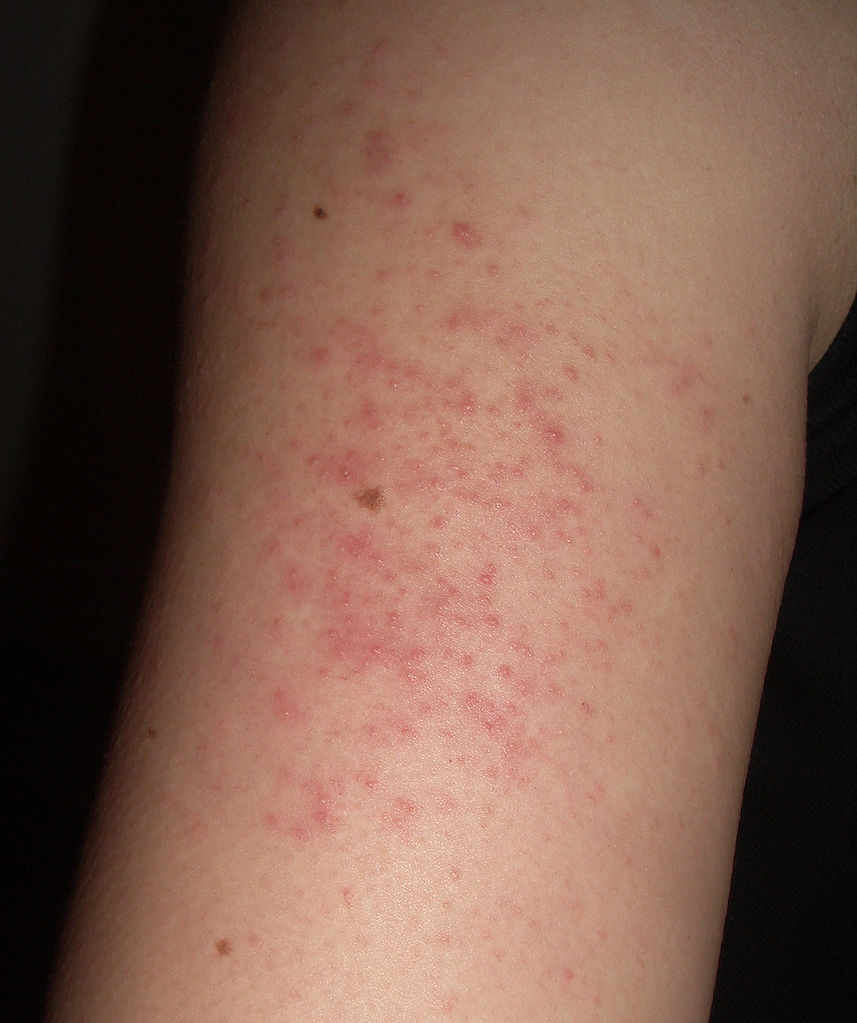
Keratosis pilaris (KP), often referred to as “chicken skin,” is a common and benign genetic skin condition characterized by small, rough bumps and occasional redness, typically on the upper arms, thighs, cheeks, or buttocks. These bumps are plugs of dead skin cells (keratin) that clog hair follicles. While KP is not medically serious, its appearance and texture can be a cosmetic concern.

keratosis-pilaris-treatment

From a phytotherapy perspective, managing KP focuses on two primary goals: gently exfoliating the keratin plugs and deeply moisturizing and soothing the surrounding skin to reduce inflammation and roughness. It is crucial to understand that these strategies manage symptoms rather than providing a cure. Harsh scrubbing and irritating substances should be avoided, as they can worsen inflammation.

Here are three evidence-based herbal approaches to help manage the symptoms of Keratosis Pilaris.

1. Gentle Exfoliation with an Oatmeal and Yogurt Paste

Harsh physical scrubs can irritate KP-affected skin. However, a combination of gentle physical and mild chemical exfoliation can be beneficial. This paste utilizes colloidal oatmeal for its soothing properties and yogurt for its natural lactic acid content.

Mechanism of Action

  • Oatmeal (Avena sativa): Colloidal oatmeal contains avenanthramides, compounds that exhibit significant anti-inflammatory and antioxidant activity, helping to soothe redness and itching. Furthermore, its finely milled texture provides very gentle physical exfoliation without causing micro-tears in the skin.
  • Yogurt: Plain, unsweetened yogurt contains lactic acid, an alpha-hydroxy acid (AHA). According to research published in the *Journal of the German Society of Dermatology*, AHAs work by dissolving the bonds between dead skin cells, promoting keratolysis (the breakdown of keratin) and helping to clear clogged follicles.

Application Protocol

  1. Combine 2 tablespoons of finely ground (colloidal) oatmeal with 3 tablespoons of plain, full-fat yogurt to form a smooth paste.
  2. Apply a thin layer to the affected areas after cleansing the skin with lukewarm water.
  3. Let it sit for 10-15 minutes. Do not let it dry completely and crack.
  4. Gently rinse off with lukewarm water, using minimal rubbing. Pat the skin dry.
  5. Immediately follow with a moisturizer.

Administration Protocol and Safety Limits

  • Frequency: Use this paste 1-2 times per week maximum. Over-exfoliation can damage the skin barrier.
  • Patch Test: Always perform a patch test on a small area of skin 24 hours before the first full application to check for sensitivity.
  • Caution: Avoid using on broken or severely inflamed skin. The lactic acid in yogurt is mild but can still cause a tingling sensation.

2. Moisturizing and Soothing with Calendula-Infused Oil

Consistent moisturization is fundamental to managing KP. It softens the keratin plugs and improves the skin’s barrier function. Calendula-infused oil is a superior choice to plain oils due to its documented skin-healing properties.

Mechanism of Action

  • Calendula (Calendula officinalis): Traditionally used for centuries to heal wounds and soothe skin irritations, Calendula’s benefits are supported by modern science. A 2021 review in *Clinical, Cosmetic and Investigational Dermatology* highlights its anti-inflammatory, antioxidant, and wound-healing properties, attributed to compounds like flavonoids and triterpenoids. Consequently, it helps reduce the redness associated with KP.
  • Carrier Oil (e.g., Jojoba or Sweet Almond): These oils are rich in fatty acids that mimic the skin’s natural sebum, providing effective emollient action to soften rough skin without clogging pores.

Application Protocol

  1. Gently warm a small amount of Calendula-infused oil in your hands.
  2. Massage it into the affected areas of clean, slightly damp skin (e.g., after a shower). This helps lock in moisture.
  3. Allow the oil to fully absorb before dressing.

Administration Protocol and Safety Limits

  • Frequency: Apply daily, preferably once or twice per day. Consistency is key for managing KP.
  • Patch Test: Essential, especially for those with allergies to the Asteraceae (daisy) family, as Calendula is a member.
  • Quality: Use a high-quality, professionally prepared infused oil or learn to make one safely to ensure potency and avoid contamination.

3. Soothing Compresses with Aloe Vera and Chamomile

For KP that is particularly red, itchy, or inflamed, a soothing compress can provide immediate relief and calm the skin.

Mechanism of Action

  • Aloe Vera (Aloe barbadensis miller): The gel from the Aloe vera leaf is rich in polysaccharides, such as acemannan, which provide hydrating and anti-inflammatory effects. The World Health Organization (WHO) monograph on Aloe vera acknowledges its traditional use for skin inflammation.
  • German Chamomile (Matricaria recutita): This herb contains active compounds like bisabolol and chamazulene, which have potent anti-inflammatory and skin-soothing properties. A study in the *Journal of Clinical and Aesthetic Dermatology* confirmed its effectiveness in reducing skin irritation.

Application Protocol

  1. Brew a strong infusion of German Chamomile tea (2 tea bags in 1 cup of hot water) and let it cool completely.
  2. In a bowl, mix 1/4 cup of the cooled chamomile tea with 1/4 cup of pure Aloe vera gel.
  3. Soak a soft cloth or cotton pads in the mixture.
  4. Apply the compress to the affected areas for 10-15 minutes.
  5. Do not rinse. Allow the residue to air dry or gently pat the excess away.

Administration Protocol and Safety Limits

  • Frequency: Can be used daily or as needed when the skin feels particularly irritated or itchy.
  • Patch Test: Test the mixture on a small area first. Check for allergies to Chamomile (Asteraceae family) or sensitivity to Aloe vera.
  • Purity: Use 100% pure Aloe vera gel without added alcohol or fragrance, which can be irritating.

Specific Biological Limitation

It is essential to recognize that Keratosis Pilaris is a genetic condition related to keratin production and follicular plugging. Therefore, phytotherapeutic remedies can only manage the external symptoms—roughness, dryness, and redness. They do not alter the underlying genetic tendency to overproduce keratin. For this reason, symptoms will likely return if treatment is discontinued. Aggressive scrubbing or using harsh chemicals can trigger a paradoxical effect, causing more inflammation and post-inflammatory hyperpigmentation (dark spots), ultimately worsening the skin’s appearance.

Contraindications and Precautions

Remedy Contraindications and Precautions
Oatmeal & Yogurt Avoid if you have a dairy allergy (yogurt) or a known sensitivity to oats. Do not use on open or infected skin.
Calendula Oil Absolute Contraindication: Known allergy to the Asteraceae/Compositae family (e.g., ragweed, daisies, marigolds). This can cause contact dermatitis.
Aloe & Chamomile Avoid Chamomile if you have an Asteraceae family allergy. Some individuals may experience contact dermatitis from Aloe vera. Discontinue use if redness or irritation increases.

Therapeutic Alternatives

If these natural approaches are not sufficient, or if you prefer conventional treatments, several options are available:

  • Botanical Alternatives: Borage seed oil (Borago officinalis), taken orally, is rich in gamma-linolenic acid (GLA), which may help improve skin barrier function, although direct evidence for KP is limited. Topically, willow bark extract contains natural salicylates that can provide a gentle keratolytic effect.
  • Pharmacological Options: Dermatologists often recommend lotions containing urea (5-20%), salicylic acid (a BHA), glycolic acid (an AHA), or retinoids (like tretinoin or adapalene). These are highly effective keratolytics but require professional guidance to avoid irritation.

Recent Medical Research (2020-2026)

Recent dermatological research continues to emphasize a dual approach for managing KP: keratolysis and moisturization. A 2022 systematic review in the Journal of Clinical and Aesthetic Dermatology confirmed that topical agents like lactic acid, salicylic acid, and urea remain the cornerstone of therapy. The research also underscores the importance of consistent use of emollients to maintain the skin barrier and reduce irritation caused by exfoliants. While large-scale clinical trials on specific herbal remedies for KP are lacking, the principles behind using soothing, anti-inflammatory, and mildly keratolytic botanicals align with the established dermatological strategy.

Specialist’s Summary

Herbal remedies can effectively support the management of Keratosis Pilaris by providing gentle exfoliation and reducing inflammation. Approaches using oatmeal, lactic acid, Calendula, and Aloe Vera are well-suited for this purpose, with noticeable improvements in skin texture and redness often seen after several weeks of consistent use. However, these remedies are not a cure and are contraindicated for individuals with specific plant allergies. For persistent or severe cases, consulting a dermatologist for pharmacological options like urea or retinoid-based creams is the recommended course of action.

Frequently Asked Questions

1. Can you permanently cure Keratosis Pilaris with natural remedies?

No. Keratosis Pilaris is a genetic condition, and there is no known permanent cure. Natural and conventional treatments aim to manage and reduce the symptoms, but they typically return if the routine is stopped.

2. Is Keratosis Pilaris contagious?

Absolutely not. It is a harmless genetic condition related to keratin buildup in hair follicles and cannot be spread from person to person.

3. Why does my KP get worse in the winter?

KP often worsens during winter months because the air is drier, which leads to drier skin. This exacerbates the buildup of keratin. Therefore, increasing moisturization during colder, drier weather is crucial.

4. Are these remedies safe for children?

The remedies listed are generally considered gentle and safe for children’s skin. However, it is imperative to perform a patch test for any new substance to rule out allergies, especially for Calendula and Chamomile. For infants and very young children, always consult a pediatrician or dermatologist before starting any new skin treatment.

Sources and References

  • Ferreira, P., et al. (2021). Oleogel-Based Delivery System of Calendula officinalis L. Flower Extract for Topical Wound Healing Application. Clinical, Cosmetic and Investigational Dermatology, 14, 1157–1172. https://www.ncbi.nlm.nih.gov/pmc/articles/PMC8426410/
  • Kornhauser, A., et al. (2010). The Effects of Topically Applied Glycolic Acid and Lactic Acid on the Skin. Journal of the German Society of Dermatology, 8(10), 765-771.
  • Reynertson, K. A., et al. (2015). Anti-Inflammatory Activities of Colloidal Oatmeal (Avena sativa) Contribute to the Efficacy of Aveeno Products in the Treatment of Atopic Dermatitis. Journal of Drugs in Dermatology, 14(1), 43-48.
  • Thomas, R. & Kothari, S. (2022). A Review of Keratosis Pilaris. Journal of Clinical and Aesthetic Dermatology, 15(4), 44-46. https://pubmed.ncbi.nlm.nih.gov/35404245/
  • World Health Organization. (1999). WHO Monographs on Selected Medicinal Plants – Volume 1. Folii Aloe Ferocis.

⚠️ Important Medical Information

This article is for educational and informational purposes only and is not intended as medical advice, diagnosis, or treatment. The information provided about herbal remedies for Keratosis Pilaris is based on traditional use, preliminary research, and available scientific evidence, which may be limited.

Before using these remedies:

  • Consult a qualified healthcare provider or dermatologist to confirm the diagnosis and discuss treatment options, especially if you are pregnant, breastfeeding, or have existing health conditions.
  • Do not use as a substitute for prescribed medications or professional medical treatment.
  • Individual results may vary – what works for one person may not work for another.
  • Monitor for adverse reactions, such as increased redness or irritation, and discontinue use if negative symptoms occur.


You may also like

Leave a Comment