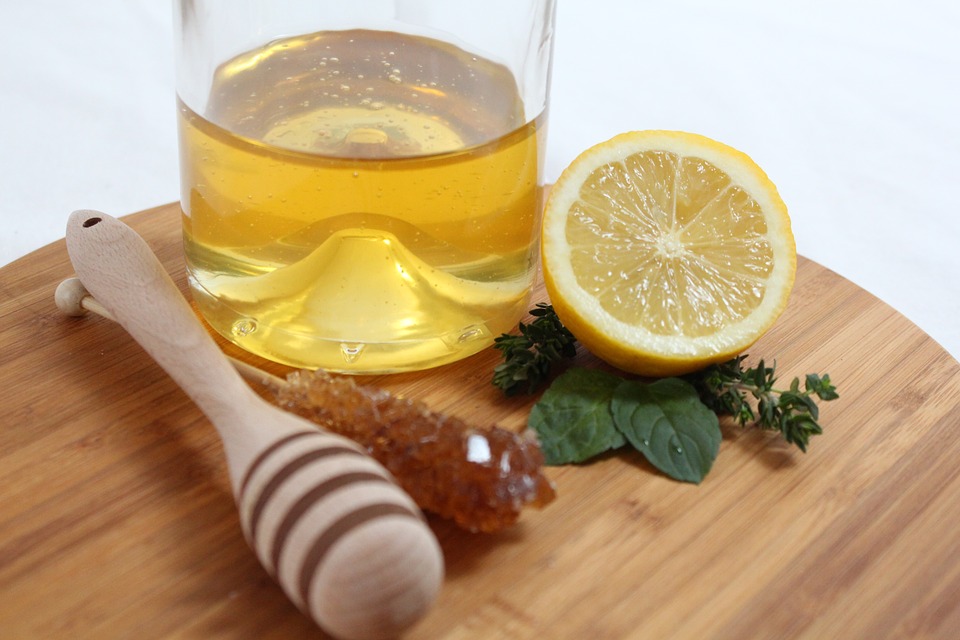
Thyme (*Thymus vulgaris*) is a cornerstone of traditional herbal medicine, particularly for addressing respiratory symptoms associated with the common cold. Its therapeutic value is not just anecdotal; modern science has identified key active compounds, primarily thymol and carvacrol, which are responsible for its potent antimicrobial, antiseptic, and antispasmodic properties. Consequently, this makes thyme a well-regarded herb for soothing coughs and supporting respiratory health.

Historically, herbalists have recommended thyme for conditions like coughs, sore throats, and bronchitis. This traditional use is now supported by regulatory bodies. For instance, the European Medicines Agency (EMA) monograph on *Thymus vulgaris* acknowledges its use as a traditional herbal medicinal product for productive coughs associated with a cold. When combined with the soothing properties of honey and the vitamin C content of lemon, thyme can be used to create an effective home preparation for symptomatic relief.
Evidence-Based Benefits of the Ingredients
- Thyme (Thymus vulgaris): The primary benefit of thyme for coughs comes from its dual action. Firstly, its antispasmodic effect, attributed to thymol, may help relax the smooth muscles of the bronchi, easing the spasms of a persistent cough. Secondly, it acts as an expectorant, helping to thin and loosen mucus, making coughs more productive and easier to clear from the airways.
- Honey: According to research, including a meta-analysis published by Cochrane, honey can provide symptomatic relief for acute coughs in children over one year of age. Its demulcent properties coat and soothe an irritated throat, while its natural antimicrobial compounds offer additional benefits.
- Lemon: Rich in Vitamin C and antioxidants, lemon supports immune function. While it does not cure a cold, adequate Vitamin C intake is crucial for a healthy immune response. Its astringent properties can also help with a sore throat.
How to Prepare Thyme, Honey, and Lemon Syrup
This recipe creates a potent syrup that preserves the beneficial compounds of each ingredient. It is designed for both adults and children over one year of age.
Ingredients:
- 1 cup (240 ml) of filtered water
- 4 tablespoons of fresh thyme leaves (or 2 tablespoons of dried thyme)
- 1/2 cup (approx. 170 g) of raw, unpasteurized honey
- Juice of half a fresh lemon (about 1-2 tablespoons)
Preparation Instructions:
- Prepare the Thyme Infusion: Bring the water to a boil in a small saucepan. Once boiling, remove it from the heat. Add the thyme, cover the pot immediately, and let it steep for 15-20 minutes. This method helps trap the volatile oils.
- Strain the Infusion: Pour the liquid through a fine-mesh sieve into a clean glass jar, pressing on the herbs to extract all the liquid. Discard the used thyme leaves.
- Combine Ingredients: Allow the thyme infusion to cool until it is lukewarm (not hot). This is critical to preserve the beneficial enzymes in the raw honey. Add the honey and fresh lemon juice to the jar.
- Mix and Store: Stir vigorously until the honey is completely dissolved into the infusion. Seal the jar tightly and store it in the refrigerator. It will keep for up to 2-3 weeks.
Administration Protocol and Safety Limits
For this preparation to be both safe and effective, it is crucial to adhere to specific guidelines regarding dosage and duration of use.
| Guideline | Protocol |
|---|---|
| Dosage for Adults | 1-2 teaspoons (5-10 ml) every 4-6 hours as needed. |
| Dosage for Children (1-12 years) | 1/2 to 1 teaspoon (2.5-5 ml) every 4-6 hours. Absolutely not for children under 1 year old due to the risk of infant botulism from honey. |
| Maximum Daily Dose | Do not exceed 6 doses in 24 hours for adults. |
| Treatment Duration | Use for up to 7 days. If symptoms persist or worsen, consult a healthcare provider. |
| Administration Condition | Can be taken with or without food. Taking it after a small meal may reduce the risk of stomach upset in sensitive individuals. |
Specific Biological Limitation
Hormonal Activity: Thyme contains compounds that may exhibit weak estrogen-like activity in the body. This is known as a phytoestrogenic effect. While generally safe in culinary amounts, concentrated therapeutic doses could theoretically interfere with hormonal balance. Therefore, this becomes a significant concern for individuals with hormone-sensitive conditions, such as estrogen-receptor-positive breast cancer, uterine fibroids, or endometriosis, where external estrogenic compounds are advised against.
Contraindications and Precautions
Before using this syrup, it is essential to be aware of the following safety information.
Absolute Contraindications
- Allergy: Do not use if you have a known allergy to thyme, honey, lemon, or any other members of the Lamiaceae (mint) family, such as oregano, sage, or basil.
- Infants: As mentioned, this syrup is strictly forbidden for children under 12 months of age due to the risk of infant botulism from honey.
Vulnerable Populations
- Pregnancy: Thyme in medicinal quantities is not recommended during pregnancy as it has been traditionally considered a uterine stimulant, potentially increasing the risk of miscarriage.
- Breastfeeding: There is insufficient reliable data on the safety of using medicinal amounts of thyme while breastfeeding. It is best to avoid it.
Major Drug Interactions
- Anticoagulants and Antiplatelet Drugs: Thyme may slow blood clotting. Taking it alongside medications that also slow clotting (e.g., aspirin, clopidogrel, warfarin, heparin) could increase the risk of bruising and bleeding. Consult your doctor before use if you are on these medications.
- Hormone Therapy: Due to its potential estrogenic effects, thyme could interfere with hormone replacement therapy (HRT) or oral contraceptives.
When to Stop Immediately
Discontinue use and seek medical advice if you experience any signs of an allergic reaction (rash, itching, swelling), severe gastrointestinal distress, or if your respiratory symptoms worsen or are accompanied by a high fever.
Therapeutic Alternatives
If thyme is not suitable for you, other evidence-based botanicals can provide relief for coughs:
- Marshmallow Root (Althaea officinalis): Excellent for dry, irritating coughs. It is a demulcent herb, meaning it forms a soothing, protective layer over the mucous membranes of the throat.
- Ivy Leaf (Hedera helix): A well-researched expectorant and antispasmodic, particularly effective for productive coughs. Standardized ivy leaf extracts are widely available in commercial cough preparations.
- Elderberry (Sambucus nigra): While not a direct cough suppressant, research suggests elderberry syrup can reduce the duration and severity of cold and flu symptoms, which are often the root cause of the cough.
Recent Medical Research (2020-2026)
Recent research continues to validate the traditional use of thyme for respiratory ailments. A 2021 review published in the journal Molecules highlighted the potent anti-inflammatory, antioxidant, and antimicrobial activities of thymol and carvacrol, reinforcing their therapeutic potential against respiratory pathogens. Furthermore, clinical trials on combination herbal products containing thyme and ivy leaf consistently show efficacy in relieving bronchitis symptoms. However, research on the specific combination of thyme, honey, and lemon as a single preparation is limited, with evidence being drawn from studies on the individual components.
Specialist’s Summary
Thyme, combined with honey and lemon, is a useful and rational home remedy for providing symptomatic relief from uncomplicated coughs associated with the common cold. Its effects, primarily due to the thymol content, are antispasmodic and expectorant. However, it is contraindicated in pregnancy, for children under one year, and in individuals with hormone-sensitive conditions. Moreover, caution is required for those taking blood-thinning medications. Validated alternatives include Marshmallow Root for dry coughs and Ivy Leaf for productive coughs.
Frequently Asked Questions
1. How long does this homemade thyme syrup last?
When stored properly in a sealed container in the refrigerator, this syrup should remain fresh and potent for up to 3 weeks. Discard it if you notice any signs of fermentation or mold.
2. Can I use dried thyme instead of fresh thyme?
Yes, you can. The general rule is to use half the amount of dried herb as you would fresh. The recipe above provides this conversion (4 tbsp fresh or 2 tbsp dried).
3. Is this thyme syrup effective for a sore throat?
Yes, it can be very effective for a sore throat. The honey acts as a demulcent, coating and soothing the irritated tissues, while the antimicrobial properties of both thyme and honey may help address the underlying cause.
4. Is thyme syrup safe for all children?
No. It is absolutely unsafe for children under 1 year old due to the presence of honey and the risk of infant botulism, a serious illness. For children over one, it is generally considered safe when used at the recommended dosage for short periods.
Sources and References
- European Medicines Agency (EMA). (2013). Community herbal monograph on Thymus vulgaris L. and Thymus zygis L., herba.
- Oduwole, O., et al. (2018). Honey for acute cough in children. Cochrane Database of Systematic Reviews.
- Salehi, B., et al. (2021). Thymol, thyme, and other plant sources: Health and potential uses. Molecules, 26(9), 2519.
⚠️ Important Medical Information
This article is for educational and informational purposes only and is not intended as medical advice, diagnosis, or treatment. The information provided about Thyme is based on traditional use, preliminary research, and available scientific evidence, which may be limited.
Before using Thyme:
- Consult a qualified healthcare provider, especially if you are pregnant, breastfeeding, taking medications, or have existing health conditions like hormone-sensitive cancers.
- Do not use as a substitute for prescribed medications or professional medical treatment.
- Individual results may vary – what works for one person may not work for another.
- Monitor for adverse reactions and discontinue use if negative symptoms occur.