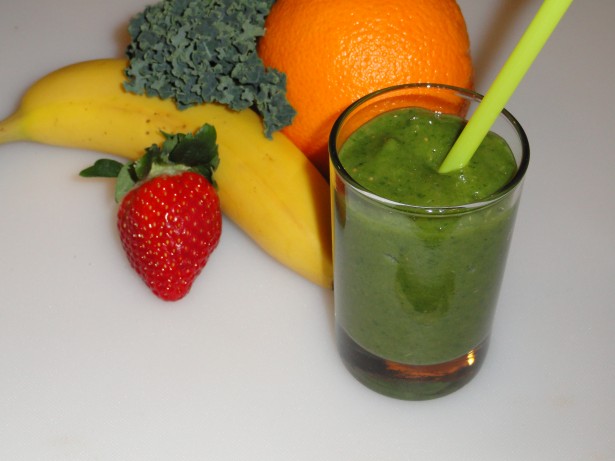
How to Make Thick Smoothies That Control Hunger
The desire to manage hunger is a common goal for those seeking to maintain a healthy weight. While many believe that adding more water to a smoothie increases its volume and filling capacity, scientific evidence points in the opposite direction. Indeed, the key to prolonged satiety from a blended beverage lies in its thickness, or viscosity. This guide explains the science behind this phenomenon and provides evidence-based recommendations for creating thick, satisfying smoothies using beneficial botanicals.

The Science of Viscosity and Satiety
Research has consistently demonstrated a direct link between the thickness of a food or beverage and its ability to suppress appetite. For instance, a notable study published in the American Journal of Clinical Nutrition found that participants who consumed a thick, 100-calorie smoothie reported significantly greater feelings of fullness compared to those who drank a thin smoothie containing five times the calories. Consequently, the thick, low-calorie option was more effective at delaying the desire to eat again.
Furthermore, research from Wageningen University in the Netherlands used MRI scans to observe how the stomach processes smoothies of different consistencies. The results were clear: thin smoothies exited the stomach in under 30 minutes. In contrast, the thick smoothies remained in the stomach for over 80 minutes, significantly prolonging the physical sensation of fullness. This delayed gastric emptying is a primary mechanism through which thick smoothies help control hunger.
Key Ingredients for a Thick and Satiating Smoothie
To achieve the desired thickness and satiety effect, incorporating specific ingredients rich in fiber, healthy fats, and protein is essential. Here are evidence-based components to enhance your smoothies.
1. Soluble Fiber Powerhouses
Soluble fiber absorbs water and forms a gel-like substance in the digestive tract. This process not only thickens the smoothie itself but also slows down digestion and nutrient absorption, leading to a stable release of energy and prolonged fullness.
- Raw Rolled Oats: An excellent source of beta-glucan, a type of soluble fiber known for its positive effects on satiety and cholesterol levels. Adding one or two tablespoons of raw oats creates a creamy texture and provides sustained energy.
- Avocado: While known for its healthy monounsaturated fats, avocado also contributes soluble fiber. Its creamy, neutral-tasting flesh makes it a perfect thickening agent for any fruit or vegetable combination.
- Chia and Flax Seeds: Both seeds are rich in mucilaginous fiber. When soaked in liquid, they form a thick gel, dramatically increasing the smoothie’s viscosity. Additionally, they are excellent sources of omega-3 fatty acids and plant-based protein.
2. Phytotherapy Boosters for Enhanced Satiety
Certain botanicals are traditionally and clinically recognized for their high soluble fiber content and ability to promote fullness.
- Psyllium Husk (Plantago ovata): A highly concentrated source of soluble fiber, psyllium can absorb up to 10 times its weight in water. It is a well-established bulk-forming agent used to support digestive regularity and satiety. According to monographs from the World Health Organization (WHO) and the European Medicines Agency (EMA), it is recognized for these effects.
- Glucomannan (from Konjac Root, Amorphophallus konjac): This is one of the most viscous dietary fibers known. Research published in journals like the Journal of Obesity has indicated that glucomannan can promote weight loss by enhancing feelings of fullness and delaying stomach emptying.
3. Protein and Healthy Fats
Protein and fats are digested more slowly than carbohydrates, contributing significantly to satiety.
- Probiotic-Rich Yogurt: Plain, unsweetened Greek yogurt adds protein and creaminess. The probiotics also support gut health. For dairy-free options, coconut or almond-based yogurts are suitable alternatives.
- Coconut Meat: Both fresh and frozen coconut meat provide healthy medium-chain triglycerides (MCTs) and fiber, which add a rich, creamy texture and enhance satiety.
- Frozen Fruits: Using frozen fruits like bananas, mangoes, or peaches instead of fresh ones is a simple yet effective way to create a thick, ice-cream-like consistency without adding ice, which would dilute the nutrient density.
Administration Protocol and Safety Limits
When incorporating potent fibers like psyllium or glucomannan, it is crucial to follow safety protocols to prevent adverse effects.
| Ingredient | Administration Protocol |
|---|---|
| Psyllium Husk |
|
| Glucomannan Powder |
|
Treatment Duration: While ingredients like oats and avocado can be consumed daily, potent fiber supplements like psyllium should be used mindfully. Consider rotating different fiber sources every few weeks to promote microbial diversity in the gut.
Specific Biological Limitation
The primary mechanism of action for these thickening agents is their ability to absorb water and expand. While beneficial for most, this property poses a significant risk for individuals with certain pre-existing conditions.
Risk of Obstruction: Concentrated fibers like psyllium and glucomannan expand significantly upon contact with liquid. If consumed with insufficient fluid or by individuals with a narrowed esophagus (stricture) or pre-existing bowel motility issues, they can potentially cause a blockage in the throat, esophagus, or intestine. Therefore, adequate hydration is non-negotiable.
Contraindications and Precautions
Absolute Contraindications (FORBIDDEN)
- History of esophageal stricture, dysphagia (difficulty swallowing), or bowel obstruction: The swelling action of these fibers can create a dangerous blockage.
- Allergies: Do not consume any ingredient to which you have a known allergy (e.g., nuts, dairy, oats).
Vulnerable Populations
- Pregnancy and Breastfeeding: While dietary fiber from food is safe, consult a healthcare provider before using concentrated supplements like glucomannan or psyllium.
- Children: Dosages must be significantly reduced for children. Always consult a pediatrician before giving fiber supplements.
- Elderly: Increased risk of dehydration and potential swallowing difficulties require careful supervision.
Major Drug Interactions
- All Medications: High-fiber supplements can slow the absorption of oral medications, reducing their effectiveness. Take any medication at least 1 hour before or 2-4 hours after consuming a smoothie with added psyllium or glucomannan. This is particularly important for critical medications like those for diabetes, heart conditions, or thyroid issues.
Therapeutic Alternatives
If high-fiber smoothies are not suitable for you, other strategies can help promote satiety.
- Griffonia simplicifolia: This plant is a natural source of 5-hydroxytryptophan (5-HTP), a precursor to the neurotransmitter serotonin. Research suggests that increased serotonin levels can help regulate appetite and promote feelings of fullness. It should only be used under medical supervision due to potential interactions with antidepressants.
- Caralluma fimbriata: A type of edible cactus, this plant has been traditionally used in India to suppress hunger during long hunts. Some clinical studies suggest it may help reduce appetite and waist circumference, although more robust research is needed.
- High-Protein Whole Foods: Instead of a smoothie, a meal centered on lean protein (eggs, chicken, fish, legumes) and non-starchy vegetables can provide long-lasting satiety through different physiological pathways, such as the release of satiety hormones like PYY and GLP-1.
Recent Medical Research (2020-2026)
Recent studies continue to affirm the role of dietary fiber and food viscosity in appetite control. A 2020 meta-analysis published in Nutrients confirmed that viscous fibers like beta-glucan, psyllium, and glucomannan are effective in increasing short-term satiety. Furthermore, emerging research is exploring how different fiber types modulate the gut microbiome, which in turn may influence hunger-regulating hormones over the long term. However, the optimal fiber combinations and their long-term effects on weight management are still areas of active investigation.
Specialist’s Summary
Thickening smoothies with soluble fiber from sources like oats, avocado, and psyllium is an evidence-based strategy for enhancing satiety and supporting weight management by delaying gastric emptying. These ingredients are generally safe but require adequate hydration and are contraindicated for individuals with swallowing difficulties or a history of bowel obstruction. They can also interfere with the absorption of medications. Validated alternatives include focusing on high-protein meals or exploring botanicals like Griffonia simplicifolia under professional guidance.
Frequently Asked Questions
1. Can a thick smoothie replace a meal?
A well-balanced thick smoothie containing fiber, protein, healthy fats, and micronutrients from fruits and vegetables can serve as a meal replacement. However, it is important to ensure it is nutritionally complete and not just a source of fiber and sugar.
2. Will adding these fibers to my smoothie cause bloating or gas?
Initially, increasing your fiber intake can cause temporary bloating or gas as your digestive system adapts. To minimize this, start with a small amount (e.g., ½ teaspoon of psyllium) and gradually increase your intake over several weeks while ensuring you drink plenty of water throughout the day.
3. How long before a meal should I drink a satiety smoothie?
For appetite control, consuming a thick smoothie 30-60 minutes before a main meal can help reduce the amount of food you eat during that meal. As a meal replacement, it can keep you full for several hours.
4. Are these smoothie ingredients safe during pregnancy?
Dietary fiber from whole foods like oats, avocado, and chia seeds is generally safe and beneficial during pregnancy. However, concentrated fiber supplements like glucomannan powder or high doses of psyllium husk should only be used after consulting with a healthcare provider to ensure they are appropriate for your specific situation.
Sources and References
- Wanders, A. J., et al. (2011). Effects of food viscosity on appetite, satiety and gastrointestinal transport. American Journal of Clinical Nutrition, 94(4), 987–994.
- Rebello, C. J., et al. (2020). Dietary Fiber and Satiety: The Effects of Oats on Satiety. Nutrients, 12(5), 1533.
- World Health Organization. (1999). WHO Monographs on Selected Medicinal Plants – Volume 1: Semen Plantaginis.
- European Medicines Agency. (2013). Community herbal monograph on Plantago ovata Forssk., semen.
⚠️ Important Medical Information
This article is for educational and informational purposes only and is not intended as medical advice, diagnosis, or treatment. The information provided about smoothie ingredients and botanical supplements is based on traditional use, preliminary research, and available scientific evidence, which may be limited.
Before using these ingredients, especially concentrated fibers:
- Consult a qualified healthcare provider, especially if you are pregnant, breastfeeding, taking medications, or have existing health conditions like digestive disorders.
- Do not use as a substitute for prescribed medications or professional medical treatment.
- Individual results may vary – what works for one person may not work for another.
- Monitor for adverse reactions and discontinue use if negative symptoms occur.