Turmeric and Ginger Smoothie for Inflammation: Recipe and Safety Guide

by Andreea Smiterson
1 comment
A+A-
Reset

Inflammation is a natural and essential process your body uses to protect itself from harm, such as infections or injuries. However, when this response becomes chronic, it can contribute to persistent discomfort and various health issues. While a sedentary lifestyle can exacerbate conditions like back, knee, and ankle pain, incorporating functional foods into a balanced diet may help support the body’s inflammatory response.

This article provides an evidence-based look at a smoothie recipe containing ingredients traditionally and scientifically recognized for their anti-inflammatory properties. Importantly, this is not a cure for pain but a supportive dietary measure.

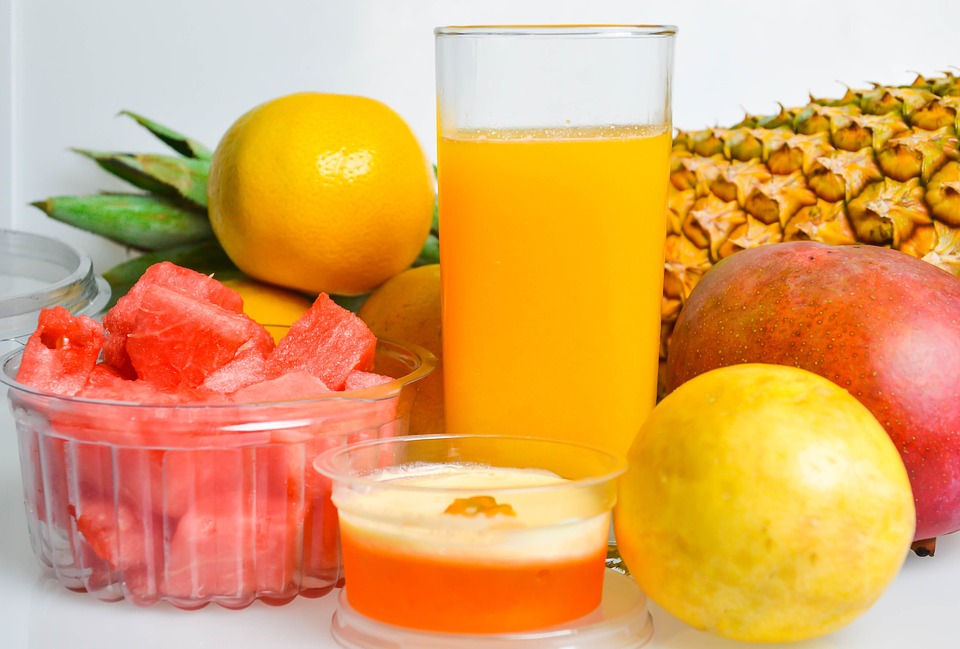
anti-inflammatory juice

The Science Behind the Key Ingredients

The effectiveness of this smoothie relies on the synergistic action of its powerful ingredients, each with a well-documented role in modulating inflammation.

* Turmeric (Curcuma longa): The primary active compound in turmeric is curcumin. According to research published in the journal Foods, curcumin has been shown to inhibit several molecules known to play a major role in inflammation, such as NF-κB. Consequently, it is one of the most studied natural anti-inflammatory compounds.
* Ginger (Zingiber officinale): A close relative of turmeric, ginger contains bioactive compounds like gingerols and shogaols. Studies indicate these substances can suppress pro-inflammatory cytokines and enzymes, offering a similar mechanism of action to some non-steroidal anti-inflammatory drugs (NSAIDs).
* Pineapple (Ananas comosus): Pineapple is a rich source of bromelain, a group of proteolytic enzymes. A 2021 review in the journal Life confirmed that bromelain exhibits anti-inflammatory effects, which may help reduce swelling and discomfort, particularly after physical injury or in conditions like osteoarthritis.
* Black Pepper (Piper nigrum): The inclusion of black pepper is crucial for efficacy. It contains piperine, a compound that has been shown to increase the bioavailability of curcumin by up to 2,000%. Without piperine, most of the curcumin you consume is poorly absorbed.
* Citrus Fruits (Lemon & Orange): These fruits are excellent sources of Vitamin C, a potent antioxidant. Oxidative stress is closely linked to chronic inflammation; therefore, antioxidants play a vital role in protecting cells from damage.

Functional Anti-Inflammatory Smoothie Recipe

This recipe is designed to maximize both nutrient content and bioavailability. Using a blender instead of a juicer is recommended to retain the dietary fiber, which is beneficial for gut health and can further help manage inflammation.

Ingredients

  • 2 cups fresh pineapple chunks
  • 1 orange, peeled
  • 1 lemon, peeled
  • 1-inch piece of fresh ginger root, peeled (or 1 teaspoon ginger powder)
  • 1-inch piece of fresh turmeric root, peeled (or 2 teaspoons turmeric powder)
  • 2 celery stalks
  • 1 teaspoon virgin coconut oil (helps with absorption of fat-soluble compounds)
  • ¼ teaspoon freshly ground black pepper

Preparation

  1. First, thoroughly wash all fresh produce. Peel the orange, lemon, ginger, and turmeric.
  2. Next, cut the pineapple, celery, and citrus fruits into manageable chunks.
  3. Place all the ingredients into a high-speed blender.
  4. Blend on high for 60-90 seconds, or until the mixture is completely smooth.
  5. For best results, consume immediately to benefit from the maximum nutrient potency.

Administration Protocol and Safety Limits

While this smoothie is made from whole foods, its active compounds require mindful consumption.

  • Treatment Duration: Consume one serving daily for a maximum of 14-21 consecutive days.
  • Mandatory Break: It is essential to take a break of at least 7-10 days between consumption cycles to prevent potential side effects.
  • Maximum Daily Dose: Limit intake to one prepared smoothie per day for a healthy adult. Exceeding this amount does not increase benefits and may raise the risk of adverse effects.
  • Timing: For optimal absorption and to minimize potential digestive upset, consume this smoothie with a small meal or snack, rather than on a completely empty stomach.

Specific Biological Limitation

The primary active compound, curcumin from turmeric, has specific physiological effects that can be problematic for certain individuals. Curcumin stimulates bile production from the gallbladder. While this can aid digestion for many, it can cause severe pain or complications for individuals with gallstones or a bile duct obstruction. Furthermore, both curcumin and ginger possess mild anticoagulant (blood-thinning) properties, which can become dangerous when combined with certain medications or for those with bleeding disorders.

Contraindications and Precautions

Always consult a qualified healthcare provider before adding this smoothie to your routine, especially if you have pre-existing health conditions or are taking medication.

Condition / Group Warning and Explanation
Pregnancy & Breastfeeding Forbidden. High concentrations of ginger and turmeric may stimulate uterine contractions. Safety during breastfeeding has not been established.
Blood Thinners Major Interaction. Do not consume if taking anticoagulants (e.g., Warfarin, Eliquis) or antiplatelet drugs (e.g., Aspirin, Plavix), as it may increase the risk of bleeding.
Gallbladder Issues Forbidden. Turmeric can worsen conditions like gallstones or bile duct obstruction.
Upcoming Surgery Discontinue use at least two weeks before any scheduled surgery to avoid an increased risk of bleeding.
Diabetes Medications Ginger and turmeric may lower blood sugar levels. Monitor glucose closely if combining with diabetes medication to prevent hypoglycemia.

Documented Adverse Effects

  • Common: Digestive upset, diarrhea, or nausea, especially when consumed in large quantities or on an empty stomach.
  • Rare: Allergic reactions to any of the ingredients.

When to stop immediately: Discontinue use if you experience stomach pain, dizziness, or any signs of an allergic reaction (rash, swelling).

Therapeutic Alternatives

If this smoothie is not suitable for you, several other botanicals with strong scientific backing may offer support for inflammatory conditions.

1. Boswellia (Boswellia serrata): Also known as Indian frankincense, Boswellia contains boswellic acids that inhibit a pro-inflammatory enzyme called 5-lipoxygenase. This provides a different mechanism of action than turmeric and is particularly well-studied for osteoarthritis.
2. Devil’s Claw (Harpagophytum procumbens): This southern African plant is recognized by official monographs, including the European Medicines Agency (EMA), for alleviating minor joint pain and backache. It is often used in standardized extract form.
3. White Willow Bark (Salix alba): As the original source of salicin, the precursor to aspirin, white willow bark has a long history of use for pain and fever. It is best used for acute discomfort rather than long-term chronic conditions. *Note: It shares contraindications with aspirin.*

Recent Medical Research (2020-2026)

Modern science continues to validate the traditional uses of these ingredients.

* A 2020 meta-analysis published in Nutrients concluded that curcumin supplementation significantly reduces inflammatory markers like C-reactive protein (CRP) and can be an effective complementary therapy for conditions with an inflammatory basis.
* Research from 2022 in the journal Molecules explored the synergistic effects of combining compounds like curcumin and piperine, confirming that this combination enhances therapeutic potential by overcoming poor bioavailability.

However, it is important to note that most research uses standardized extracts at much higher concentrations than what is found in a single smoothie. Therefore, dietary approaches should be seen as supportive rather than curative.

Specialist’s Summary

This turmeric and ginger smoothie is a useful dietary addition for supporting the body’s management of mild inflammation, with potential benefits appearing after consistent use over several weeks. It is primarily beneficial for generally healthy adults seeking to complement an active lifestyle. However, it is strictly contraindicated for individuals with gallbladder disease, those on blood thinners, and during pregnancy. Validated alternatives with different mechanisms of action include Boswellia serrata and Devil’s Claw.

Frequently Asked Questions

1. How long does it take for this anti-inflammatory smoothie to work?

The effects of dietary changes are gradual. You may begin to notice subtle improvements after 2-3 weeks of consistent, daily consumption as part of a balanced diet. It will not provide immediate pain relief like medication.

2. Can this smoothie replace my anti-inflammatory medication?

Absolutely not. This smoothie is a dietary supplement, not a medical treatment. Never stop or alter prescribed medication without consulting your doctor. It can be used as a complementary approach under medical supervision.

3. Is it safe to drink this smoothie every single day indefinitely?

No. It is recommended to consume it in cycles, for example, daily for 2-3 weeks followed by a 1-week break. This helps prevent potential side effects from the accumulation of bioactive compounds.

4. Is this smoothie safe for children or during pregnancy?

No. This smoothie is not recommended for children due to the potent nature of the ingredients. It is strictly contraindicated during pregnancy as high doses of ginger and turmeric may pose a risk to the pregnancy.

Sources and References

  1. Hewlings, S. J., & Kalman, D. S. (2017). Curcumin: A Review of Its Effects on Human Health. Foods.
  2. Zingg, J. M., et al. (2021). Synergistic Effect of Curcumin and Piperine in Regulating the Expression of a Cholesterol-Lowering Gene. Molecules.
  3. Rathnavelu, V., et al. (2016). Potential role of bromelain in clinical and therapeutic applications. Biomedical Reports.
  4. European Medicines Agency (EMA). Community herbal monograph on Harpagophytum procumbens.

⚠️ Important Medical Information

This article is for educational and informational purposes only and is not intended as medical advice, diagnosis, or treatment. The information provided about this smoothie and its ingredients is based on traditional use, preliminary research, and available scientific evidence, which may be limited.

Before trying this recipe:

  • Consult a qualified healthcare provider, especially if you are pregnant, breastfeeding, taking medications, or have existing health conditions like gallbladder disease or bleeding disorders.
  • Do not use as a substitute for prescribed medications or professional medical treatment for pain or inflammation.
  • Individual results may vary – what works for one person may not work for another.
  • Monitor for adverse reactions and discontinue use if negative symptoms occur.


You may also like

Leave a Comment