Garlic for Heart Health and Immunity: Benefits and Safe Use
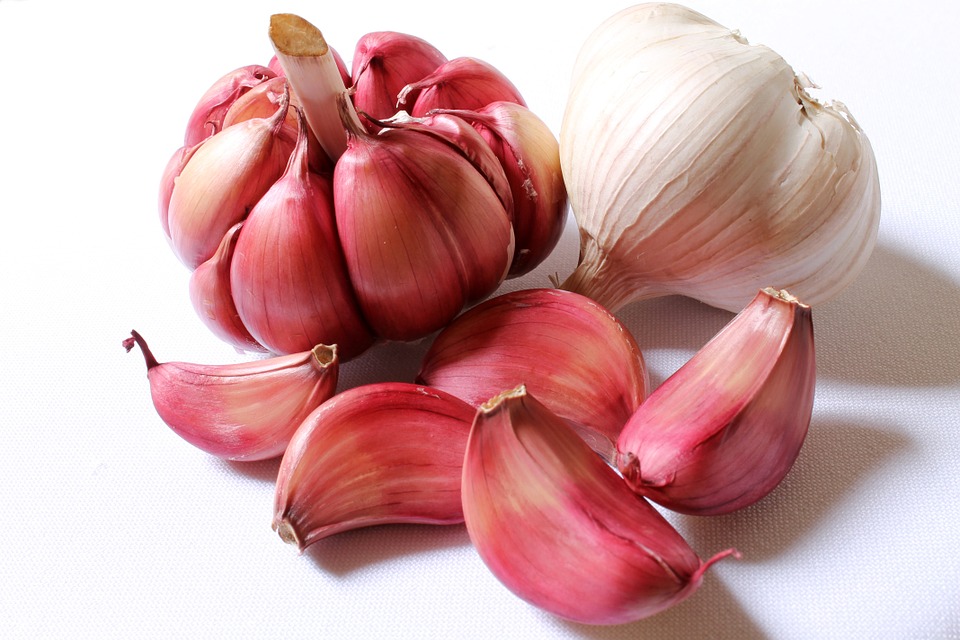
Garlic (*Allium sativum*) is a staple in kitchens worldwide, celebrated not only for its distinctive flavor but also for its long history in traditional medicine. For millennia, cultures from ancient Egypt to traditional Chinese medicine have utilized garlic for its health-promoting properties. Modern science has begun to validate many of these traditional uses, primarily attributing its effects to a sulfur compound called allicin, which is released when a garlic clove is crushed or chopped.
However, while garlic offers significant potential benefits, it is not a cure-all and requires careful, informed use. This guide provides an evidence-based overview of garlic’s benefits, safe administration protocols, and essential precautions.

Evidence-Based Health Benefits of Garlic
Instead of viewing garlic as a universal remedy, it’s more accurate to focus on its well-researched areas of action. Importantly, its primary roles are supportive and preventative, not curative.
Cardiovascular System Support
Garlic is most recognized for its positive impact on heart health. For instance, multiple meta-analyses have concluded that garlic supplementation can contribute to cardiovascular wellness.
- Blood Pressure Management: According to a 2020 meta-analysis published in Experimental and Therapeutic Medicine, garlic supplements were shown to significantly lower both systolic and diastolic blood pressure, particularly in individuals with hypertension. The effect is attributed to allicin’s ability to promote the production of nitric oxide, which helps relax and widen blood vessels.
- Cholesterol Levels: Furthermore, research suggests that garlic may modestly reduce total and LDL (“bad”) cholesterol levels. While not a substitute for prescribed medication, it can be a valuable part of a heart-healthy diet and lifestyle.
Immune Function and Antimicrobial Activity
Traditionally, garlic has been used to fend off common infections. This is due to its potent antimicrobial properties.
- Antimicrobial Effects: Allicin and other sulfur compounds in garlic have demonstrated broad-spectrum activity against bacteria, viruses, and fungi in laboratory settings.
- Common Cold: Clinical observations suggest that regular garlic consumption may reduce the frequency and severity of common colds, although more robust research is needed to confirm these findings.
How to Consume Garlic for Optimal Effect
The method of preparation is crucial for activating garlic’s key compound, allicin. Allicin is formed by an enzymatic reaction when the garlic clove is damaged. To maximize its bioavailability, phytotherapy specialists recommend the following:
- Crush or Chop: Finely chop or crush the raw garlic cloves.
- Wait 10-15 Minutes: Allow the crushed garlic to sit for at least 10 minutes before eating or adding it to food. This waiting period allows the enzyme alliinase to convert alliin into the bioactive allicin.
- Consume Raw: Heat deactivates alliinase, preventing the formation of allicin. Therefore, for maximum therapeutic benefit, garlic should be consumed raw. Adding it at the very end of cooking can preserve some of its properties.
While some traditions suggest consuming garlic on an empty stomach, this can cause gastric irritation or heartburn in sensitive individuals. Consequently, it is often better tolerated when taken with food.
Administration Protocol and Safety Limits
Treatment Duration and Dosage
- Standard Daily Dose: For general health support, a typical dose is 2-5 grams of fresh garlic (approximately 1-2 cloves) per day.
- Maximum Daily Dose: Do not exceed 4 cloves (around 15-20 grams) of fresh garlic per day for a healthy adult to avoid adverse effects.
- Duration of Use: For targeted therapeutic use, garlic can be taken daily for up to 3 months. Subsequently, a mandatory break of at least 2-4 weeks is recommended before resuming.
Overdose Risk: Exceeding the recommended dose can lead to significant gastrointestinal distress, bad breath, body odor, and an increased risk of bleeding.
Method of Consumption
- Timing: To minimize stomach upset, consume garlic with meals.
- Hydration: Ensure adequate fluid intake throughout the day.
- Incompatibilities: Avoid taking high doses of garlic alongside blood-thinning medications without medical supervision.
Specific Biological Limitation
Antiplatelet Activity: Garlic contains compounds that inhibit platelet aggregation, which is the process by which blood cells clump together to form clots. While this “blood-thinning” effect can be beneficial for reducing the risk of certain cardiovascular events, it becomes a significant danger for individuals with bleeding disorders, those taking anticoagulant or antiplatelet drugs, or anyone preparing for surgery. This natural effect can excessively increase the risk of uncontrolled bleeding in these specific situations.
Contraindications and Precautions
Absolute Contraindications (Forbidden)
- Bleeding Disorders: Individuals with conditions like hemophilia should avoid therapeutic doses of garlic.
- Pre-Surgery: Discontinue all garlic supplements and high-dose consumption at least 7-10 days before any scheduled surgery to prevent excessive bleeding.
- Allergy: Do not use if you have a known allergy to garlic or other plants in the *Allium* family (onion, leek, chives).
Vulnerable Populations
- Pregnancy and Breastfeeding: While culinary amounts are safe, high-dose garlic supplements are not recommended due to a lack of safety data and the potential to affect bleeding.
- Children: Culinary use is safe. However, therapeutic doses should only be administered under the guidance of a healthcare provider.
- Gastrointestinal Issues: Individuals with GERD, IBS, or gastritis may experience a worsening of symptoms.
Major Drug Interactions
- Anticoagulants and Antiplatelets (e.g., Warfarin, Clopidogrel, Aspirin): Garlic can amplify the effects of these drugs, significantly increasing the risk of bleeding and bruising. This is a critical interaction that requires medical consultation.
- HIV Protease Inhibitors (e.g., Saquinavir): Garlic supplements have been shown to reduce the blood levels of these medications, potentially leading to treatment failure.
- Isoniazid: Garlic may interfere with the absorption and efficacy of this tuberculosis medication.
Documented Adverse Effects
- Common: Bad breath (halitosis), body odor, heartburn, and gastrointestinal upset.
- Severe (Rare): Allergic reactions, contact dermatitis (from handling fresh garlic), and increased bleeding risk.
Traditional Preparations with Safety Notes
Raw Garlic and Honey Infusion
This traditional remedy is often used to soothe sore throats and support the body during a cold. It combines the antimicrobial properties of both ingredients.
Preparation: Finely chop 2-3 cloves of raw garlic and mix them with one tablespoon of raw, unpasteurized honey. Let the mixture sit for 15 minutes before consuming. Take one teaspoon as needed, but do not exceed 3-4 teaspoons per day.
Safety: Do not give honey to infants under one year of age due to the risk of botulism.
Spicy Immune-Supportive Tonic
This tonic, sometimes known as “fire cider,” is a traditional preparation used to support immune function during cold and flu season. It is not a treatment for the flu but a supportive remedy.
Ingredients:
- 5 garlic cloves, coarsely chopped
- 1 medium onion, coarsely chopped
- 2 hot peppers (e.g., jalapeño), chopped (including seeds for more heat)
- 1 tablespoon of fresh ginger, grated
- Juice of 1 lemon
- Raw, unfiltered apple cider vinegar
Instructions:
- In a clean 350-500 mL Mason jar, layer the chopped onion, garlic, hot peppers, and ginger.
- Pour the lemon juice over the ingredients.
- Fill the rest of the jar with apple cider vinegar, leaving about 1 cm of space at the top.
- Seal the jar tightly and store it in a cool, dark pantry for at least 2 weeks, shaking it daily.
- After infusing, strain the liquid and take 1 tablespoon diluted in water daily as a supportive tonic.
⚠️ Safety Warning: The natural oils from hot peppers can cause skin irritation or burns. It is highly recommended to wear gloves during preparation. Furthermore, this tonic is very potent and can cause severe stomach upset, especially in those with acid reflux or sensitive stomachs. Start with a smaller dose to assess tolerance.
Therapeutic Alternatives
If garlic is not suitable due to contraindications or side effects, other botanicals may offer similar supportive benefits:
- For Cardiovascular Support: Hawthorn (*Crataegus spp.*) is a well-researched herb traditionally used to support heart function and help regulate blood pressure. It works through different mechanisms than garlic, focusing on cardiac muscle tone and vasodilation.
- For Immune Support: Elderberry (*Sambucus nigra*) has been studied for its potential to reduce the duration and severity of cold and flu symptoms. Its antiviral properties make it a popular alternative to garlic for seasonal wellness.
- For Cholesterol Support: Hibiscus (*Hibiscus sabdariffa*) tea has been shown in some clinical trials to help lower blood pressure and improve lipid profiles, offering a gentle alternative for cardiovascular maintenance.
Note: Each alternative has its own unique profile of benefits, risks, and contraindications. Always consult a healthcare provider before starting any new herbal supplement.
Recent Medical Research (2020-2026)
Recent studies continue to explore the mechanisms behind garlic’s health effects. A 2020 systematic review and meta-analysis published in Antioxidants reinforced the evidence for aged garlic extract’s ability to improve blood pressure, cholesterol levels, and arterial stiffness. Additionally, emerging research is investigating garlic’s role in gut microbiome modulation, suggesting its prebiotic fibers may promote the growth of beneficial gut bacteria. However, researchers emphasize that while promising, garlic is not a standalone treatment and should be integrated into a holistic approach to health.
Specialist’s Summary
Garlic (*Allium sativum*) is a useful phytotherapeutic agent primarily for supporting cardiovascular health and immune function, with modest effects that appear with consistent use. It is strongly contraindicated for individuals on blood-thinning medications or those preparing for surgery due to its significant antiplatelet activity. For those who cannot tolerate garlic, validated alternatives include Hawthorn for heart support and Elderberry for immune wellness.
Frequently Asked Questions
1. How much raw garlic is safe to eat daily?
For most healthy adults, 1-2 cloves (about 2-5 grams) of raw garlic per day is a safe and effective dose for general health benefits. Exceeding 4 cloves daily significantly increases the risk of side effects like gastrointestinal distress and bleeding.
2. Can garlic replace my blood pressure or cholesterol medication?
Absolutely not. Garlic should be considered a supportive dietary element, not a replacement for prescribed medications. Never stop or alter your medication dosage without consulting your doctor. Doing so can have serious health consequences.
3. Does cooking garlic destroy all its health benefits?
Cooking deactivates the enzyme alliinase, which prevents the formation of allicin, garlic’s most potent compound. While cooked garlic still retains some other beneficial compounds and nutritional value, it loses much of its therapeutic antimicrobial and cardiovascular potency. For maximum benefit, consume it raw after crushing and waiting 10 minutes.
4. Is garlic safe for children, during pregnancy, or while breastfeeding?
Garlic in normal food amounts is safe for these groups. However, high-dose therapeutic supplements are not recommended for children without professional guidance. Similarly, pregnant and breastfeeding women should avoid supplemental garlic due to the lack of robust safety data and its potential blood-thinning effects.
Sources and References
- Ried, K. (2020). Garlic lowers blood pressure in hypertensive subjects, improves arterial stiffness and gut microbiota: A review and meta-analysis. Experimental and Therapeutic Medicine, 19(2), 1472–1478.
- Varshney, R., & Budoff, M. J. (2020). Garlic and Heart Disease. Antioxidants, 9(7), 603.
- World Health Organization (WHO). (1999). WHO Monographs on Selected Medicinal Plants – Volume 1: Bulbus Allii Sativi.
⚠️ Important Medical Information
This article is for educational and informational purposes only and is not intended as medical advice, diagnosis, or treatment. The information provided about Garlic (*Allium sativum*) is based on traditional use, preliminary research, and available scientific evidence, which may be limited.
Before using Garlic in therapeutic doses:
- Consult a qualified healthcare provider, especially if you are pregnant, breastfeeding, taking medications (particularly blood thinners), or have existing health conditions like bleeding disorders or GERD.
- Do not use as a substitute for prescribed medications or professional medical treatment.
- Individual results may vary – what works for one person may not work for another.
- Monitor for adverse reactions and discontinue use if negative symptoms occur.
Whilst I agree, stay away from colleagues etc for the week! Hahaha. Garlic is as excellent as turmeric.