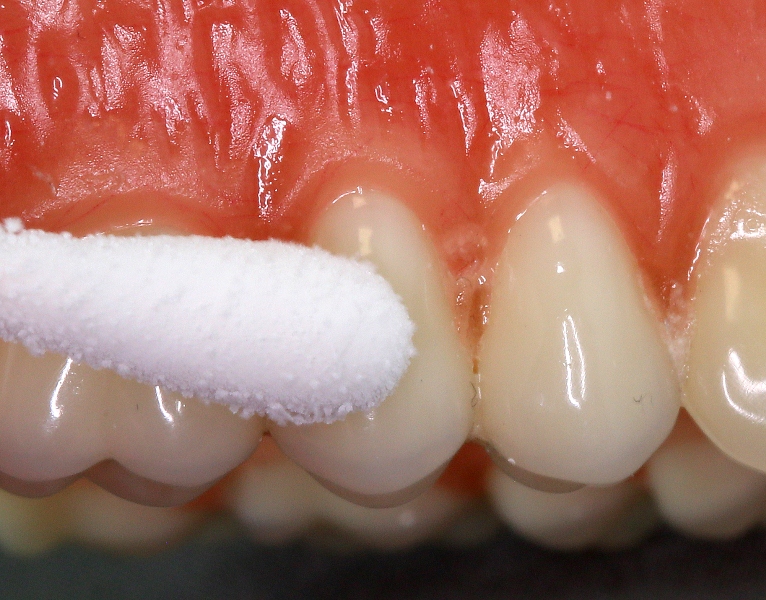
Bacterial proliferation in the oral cavity, particularly between the teeth and gums, can lead to significant irritation, inflammation, and bleeding. If you experience swollen, sensitive gums that bleed easily during brushing, you may be developing a periodontal condition. One of the most common is gingivitis, which, if left unaddressed, can progress to periodontitis and eventual tooth loss. While factors like medication or a compromised immune system can increase susceptibility, inadequate oral hygiene remains the primary cause.
This guide moves away from folk remedies that can be ineffective or harmful, such as those using acidic or abrasive ingredients that damage tooth enamel. Instead, it focuses on evidence-based botanical interventions that can safely complement professional dental care for managing gum inflammation and tooth sensitivity. However, it is crucial to understand that these remedies are supportive and do not replace diagnosis and treatment by a qualified dentist.
Validated Herbal Interventions for Oral Health
Modern phytotherapy utilizes plants with scientifically recognized properties to support oral hygiene. The following botanicals have demonstrated antimicrobial, anti-inflammatory, and analgesic effects relevant to gum and tooth discomfort. We will focus on two primary applications: therapeutic mouth rinses for generalized gum inflammation and topical applications for localized tooth pain.
1. Sage (Salvia officinalis) Mouth Rinse for Gingivitis Support
Sage is a well-documented herb in dental phytotherapy, primarily due to its potent antimicrobial and astringent properties. Its compounds, such as thujone and camphor, help inhibit the growth of bacteria responsible for plaque and gingivitis. Furthermore, its astringent action helps tighten gum tissue, reducing inflammation and bleeding.
Home Preparation: Sage and Chamomile Therapeutic Rinse
This rinse combines the antimicrobial power of sage with the soothing, anti-inflammatory effects of chamomile.
Ingredients:
-
- 1 teaspoon dried sage leaves
- 1 teaspoon dried chamomile flowers
- 1 cup (approx. 240 ml) of boiling water
Preparation Method:
-
- Place the dried herbs in a heatproof container, such as a glass jar or mug.
- Pour the boiling water over the herbs.
- Cover the container and let the infusion steep for 15-20 minutes to extract the active compounds.
- Strain the liquid through a fine-mesh sieve to remove all plant material.
- Allow the infusion to cool completely to room temperature before use.
Administration Protocol and Safety Limits
-
- Treatment Duration: Use this rinse for a maximum of 7 consecutive days. If symptoms do not improve or worsen, discontinue use and consult a dentist immediately.
- Mandatory Break: After a 7-day cycle, take a minimum 7-day break before considering another treatment period. Do not use continuously.
- Maximum Daily Dose: Rinse the mouth with 15-20 ml (about one tablespoon) of the infusion two times per day. Do not exceed three rinses per day.
- Administration Condition: Use the rinse after brushing your teeth. Swish it vigorously in your mouth for 30-60 seconds, ensuring it reaches all areas, then spit it out completely. DO NOT SWALLOW THE RINSE.
Specific Biological Limitation
Neurotoxicity Potential of Thujone: Sage contains a compound called thujone, which can be neurotoxic if ingested in high doses or over a prolonged period. This is the primary reason sage rinse must not be swallowed and its use is restricted to short durations. The risk is negligible with proper use as a topical oral rinse but becomes significant with ingestion.
2. Clove (Syzygium aromaticum) Oil for Localized Tooth Pain
Clove oil is a traditional and effective remedy for temporary relief from toothache. Its principal active component, eugenol, functions as a potent natural anesthetic and antiseptic. It works by temporarily numbing the nerve endings in the tooth, providing significant pain relief.

Administration Protocol and Safety Limits
-
- Treatment Duration: Clove oil is intended for short-term, symptomatic relief only (1-2 days) while awaiting a dental appointment. It is not a cure for the underlying cause of the pain.
- Maximum Daily Dose: Apply a maximum of 4 times per day. Overuse can lead to mucosal irritation or damage.
- Dose per Administration: Use only 1-2 drops of high-quality, pure clove essential oil.
- Administration Condition:
- Dilute 1-2 drops of clove oil with an equal amount of a carrier oil (such as olive or coconut oil) to reduce its potency and prevent gum irritation.
- Soak a small cotton ball or cotton swab in the diluted mixture.
- Gently squeeze out any excess oil to prevent dripping.
- Carefully place the cotton directly onto the surface of the painful tooth, avoiding prolonged contact with the surrounding gums, tongue, or cheek.
- Hold it in place for 5-10 minutes, then remove and discard. Avoid eating or drinking for at least 30 minutes afterward.
Specific Biological Limitation
Mucosal Irritation and Cytotoxicity: Eugenol is a phenolic compound that can cause chemical burns, tissue damage, or allergic contact dermatitis if applied undiluted or in excessive amounts to soft oral tissues. Furthermore, direct application into a deep cavity can be cytotoxic (toxic to cells) to the dental pulp, potentially causing irreversible nerve damage. Therefore, precise and careful application is paramount.
Contraindications and Precautions for Oral Herbal Remedies
Always prioritize safety when using botanical products in the mouth.
Absolute Contraindications
-
- Allergy: Do not use sage if you have a known allergy to the Lamiaceae (mint) family. Do not use chamomile if allergic to the Asteraceae (daisy) family. Avoid clove if you have a known sensitivity to eugenol.
- Bleeding Disorders: Clove oil has mild antiplatelet properties. Individuals with bleeding disorders or those taking anticoagulant/antiplatelet medications (e.g., warfarin, aspirin) should avoid it.
- Severe Infection: If you have signs of a dental abscess (severe, throbbing pain, facial swelling, fever, pus), do not self-treat. Seek emergency dental care immediately.
Vulnerable Populations
-
- Pregnancy and Breastfeeding: The use of sage (due to thujone) and concentrated clove oil is contraindicated during pregnancy and breastfeeding.
- Children: These remedies are not recommended for children under 12 years of age due to the risk of accidental ingestion and higher sensitivity.
- Epilepsy: Sage should be avoided by individuals with a history of seizures, as thujone can have a convulsant effect.
Quick Guide: Oral Phytotherapy Safety
| Category | Details |
|---|---|
| ❌ Who should AVOID | • Pregnant or breastfeeding women • Children under 12 • Individuals with seizure disorders (sage) • Those on anticoagulant medication (clove oil) • People with known allergies to the respective plant families |
| 📊 Maximum safe use | • Sage Rinse: 2 times/day for 7 days max. • Clove Oil: 1-2 drops, 4 times/day for 2 days max. |
| 🚨 ALARM signs (Stop & See Dentist) | • Pain that worsens or becomes throbbing • Swelling of the face, jaw, or gums • Fever or a foul taste in the mouth • Difficulty swallowing or breathing |
| 💊 Major interactions | • Clove Oil: Anticoagulants (Warfarin), Antiplatelets (Aspirin, Clopidogrel) • Sage (if ingested): Anticonvulsant and diabetic medications |
| ⏱️ When to consult a dentist | IMMEDIATELY if alarm signs appear. If gum bleeding or sensitivity does not improve after 7 days of proper hygiene and supportive care. |
💡 Golden rule: When in doubt, consult a dentist or a qualified healthcare professional. Self-treatment should never delay professional diagnosis.
Therapeutic Alternatives
If herbal remedies are not suitable or sufficient, several validated conventional options are available.
-
- Botanical Alternatives: A rinse with Green Tea (Camellia sinensis) offers anti-inflammatory benefits from its catechins. A tincture of Myrrh (Commiphora myrrha), diluted in water, is a powerful astringent for gums, but should be used with caution.
- Pharmacological Options: For sensitive teeth, over-the-counter toothpastes containing potassium nitrate or stannous fluoride are highly effective. For gingivitis, antiseptic mouthwashes containing chlorhexidine gluconate may be prescribed by your dentist for short-term use. Professional dental cleaning is the most effective treatment for removing tartar and reversing gingivitis.
Recent Medical Research (2020-2026)
Recent studies continue to validate the traditional use of these botanicals in oral care. For instance, a 2022 review published in the journal Molecules highlighted the significant antimicrobial activity of various essential oils, including clove, against oral pathogens like Streptococcus mutans. Similarly, research continues to confirm the anti-inflammatory and antibacterial efficacy of Salvia officinalis extracts in managing gingivitis, often comparing its effectiveness to standard treatments like chlorhexidine. However, researchers emphasize the need for standardized preparations and larger clinical trials to establish definitive treatment protocols.
Specialist’s Summary
Sage and clove are useful phytotherapeutic aids for managing mild gingivitis and temporary toothache, respectively, due to their proven antimicrobial and analgesic properties. Their use must be short-term and adhere strictly to safety protocols, particularly avoiding ingestion of sage rinse and overuse of clove oil. These remedies are absolutely contraindicated in pregnancy and for individuals on anticoagulant therapy. Validated alternatives include desensitizing toothpastes and professional dental care, which remains the cornerstone of oral health.
Frequently Asked Questions
Can herbal remedies cure gingivitis or cavities?
No. Herbal remedies can help manage symptoms like inflammation and pain and reduce bacterial load as part of a comprehensive oral hygiene routine. However, they cannot cure established diseases. Gingivitis requires the removal of plaque and tartar by a professional, and cavities require dental fillings. These remedies are supportive, not curative.
How long does it take for these remedies to work?
For tooth pain, the analgesic effect of clove oil is typically felt within minutes. For gum inflammation, consistent use of a sage rinse along with proper brushing and flossing may lead to noticeable improvement in bleeding and swelling within 3 to 7 days. If there is no improvement, see a dentist.
Is it safe to use baking soda or lemon juice on my teeth?
No, it is not safe. Lemon juice is highly acidic and causes irreversible erosion of tooth enamel, leading to increased sensitivity and decay. Baking soda is abrasive and can wear down enamel over time and irritate gum tissue. These substances should be avoided in homemade dental remedies.
What are the best professional treatments for sensitive teeth and gums?
The best treatment is determined by a dentist after a proper diagnosis. For gingivitis, a professional cleaning (scaling and root planing) is standard. For tooth sensitivity, treatments include desensitizing toothpaste, in-office application of fluoride varnish, or dental bonding to cover exposed root surfaces.
Sources and References
-
- Kianian, F., et al. (2022). “A Review on the Efficacy of Herbal Mouth Rinses on the Oral Microbial Load.” Evidence-Based Complementary and Alternative Medicine.
- Marrelli, M., et al. (2022). “Essential Oils and Their Components as Potential Anticariogenic Agents.” Molecules, 27(6), 1826.
- European Medicines Agency (EMA). “Community herbal monograph on Salvia officinalis L., folium.”
- World Health Organization (WHO). “WHO monographs on selected medicinal plants – Vol. 2: Flos Caryophylli (Clove Flower).”