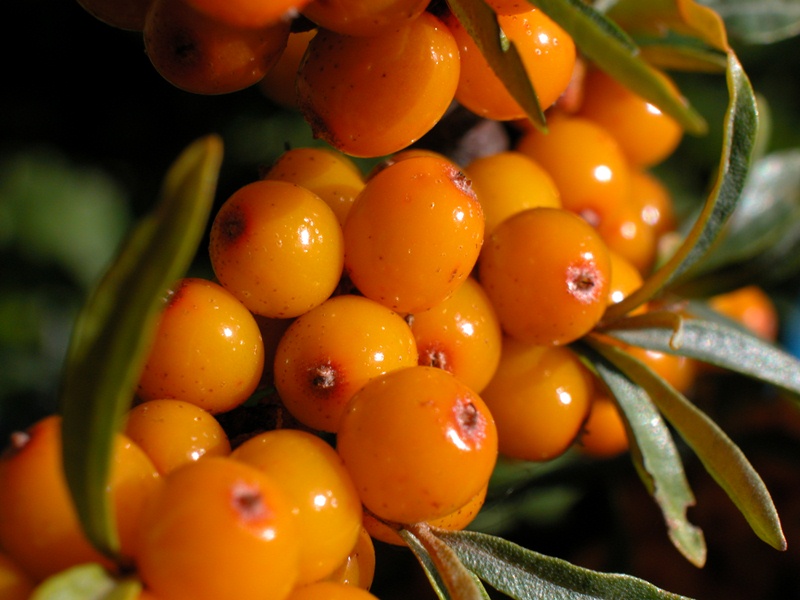
Sea Buckthorn Juice for Immune Support: Benefits, Recipe, and Safety
Sea buckthorn (Hippophae rhamnoides) is a resilient shrub whose vibrant orange berries have been valued for centuries in traditional European and Asian medicine. Historically, it was used to support vitality, aid recovery from illness, and promote healthy skin. When combined with apple, the juice becomes a palatable and nutrient-dense beverage, particularly recognized for its potential role in supporting the immune system.
However, while its traditional uses are extensive, it is crucial to approach its consumption with an understanding of modern scientific evidence, proper dosage, and clear safety protocols. This article provides an evidence-based overview of sea buckthorn juice, its preparation, and its safe integration into a wellness routine.

Potential Health Benefits of Sea Buckthorn
Modern research has begun to investigate the mechanisms behind sea buckthorn’s traditional uses. The berries are exceptionally rich in vitamins, antioxidants, and fatty acids. Consequently, its benefits are primarily linked to its nutritional and phytochemical profile.
1. Immune System Support
Sea buckthorn is one of the most potent botanical sources of Vitamin C, with concentrations ranging from 300 to over 2,500 mg per 100 grams, far exceeding that of oranges. Vitamin C is essential for the proper functioning of immune cells, such as phagocytes and T-cells. Furthermore, the berries contain flavonoids like quercetin and isorhamnetin, which act as powerful antioxidants. According to research published in the journal Frontiers in Pharmacology, these compounds help protect immune cells from oxidative stress, thereby supporting the body’s natural defense mechanisms.
2. Skin Health and Regeneration
Traditionally, sea buckthorn oil and juice were used to aid skin healing. This effect is attributed to its unique combination of Omega-7 fatty acids (palmitoleic acid), carotenoids (beta-carotene), and Vitamin E. For instance, a clinical study in the Journal of Nutritional Biochemistry indicated that oral intake of sea buckthorn oil improved skin hydration, elasticity, and reduced symptoms of atopic dermatitis. While the juice contains lower concentrations of oils, it still provides water-soluble vitamins and antioxidants that contribute to skin health.
3. Cardiometabolic Health
Preliminary research suggests that sea buckthorn may offer benefits for metabolic health. A 2021 meta-analysis published in the Journal of the Science of Food and Agriculture reviewed several clinical trials and concluded that sea buckthorn supplementation could modestly improve lipid profiles by reducing total cholesterol and LDL (“bad”) cholesterol. Additionally, some studies indicate it may help moderate post-meal blood sugar spikes, although this should not be considered a treatment for diabetes.
Homemade Sea Buckthorn and Apple Juice Recipe
Combining sea buckthorn with apple not only improves the flavor by balancing its intense tartness but also adds beneficial fiber and polyphenols from the apple.
Ingredients
- 50-70 grams of fresh or frozen sea buckthorn berries
- 1 medium-sized sweet apple (e.g., Gala or Fuji)
- 500 ml (approx. 2 cups) of cold, filtered water
Preparation Instructions
- Wash the Fruit: If using fresh sea buckthorn, rinse the berries thoroughly. Wash and core the apple, then cut it into chunks. There is no need to peel the apple, as the skin contains valuable nutrients.
- Blend: Place the sea buckthorn berries, apple chunks, and water into a high-speed blender. Blend on high for 60-90 seconds until the mixture is smooth and homogenous.
- Strain: Pour the mixture through a fine-mesh sieve or a piece of cheesecloth (gauze) to separate the juice from the pulp and seeds. Press down on the pulp to extract as much liquid as possible.
- Serve Immediately: For maximum nutrient retention, it is best to consume the juice immediately. If you prepare a larger batch, store it in an airtight glass container in the refrigerator for no more than 24 hours, as Vitamin C degrades when exposed to air and light.
Administration Protocol and Safety Limits
To ensure both safety and efficacy, it is essential to follow a structured administration protocol. Continuous, high-dose consumption is not recommended.
| Protocol Aspect | Recommendation |
|---|---|
| Maximum Daily Dose | Up to 100-150 ml of pure, strained juice per day for a healthy adult. |
| Treatment Duration | Consume daily for a maximum of 3-4 weeks. |
| Mandatory Break | Take a break of at least 2 weeks between treatment cycles to allow the body to reset. |
| Administration Timing | Consume after a meal to buffer its high acidity and prevent potential gastric discomfort. |
Overdose Risk: Exceeding 200 ml of juice daily may lead to gastrointestinal issues such as diarrhea or acid reflux due to the high concentration of organic acids.
Specific Biological Limitation
Anticoagulant Properties: Sea buckthorn contains natural compounds, including coumarins, which may have a mild blood-thinning effect. This mechanism involves interfering with the vitamin K cycle, which is crucial for blood clot formation. While this can be beneficial in some cardiovascular contexts, it poses a significant risk for individuals with bleeding disorders or those taking anticoagulant medications, as it can potentiate the drug’s effect and increase the risk of hemorrhage.
Contraindications and Precautions
This information is not a substitute for professional medical advice. Always consult a healthcare provider before starting any new herbal supplement.
Absolute Contraindications
- Bleeding Disorders: Individuals with conditions like hemophilia should avoid sea buckthorn.
- Upcoming Surgery: Discontinue use at least two weeks before any scheduled surgery to prevent excessive bleeding.
- Active Peptic Ulcers or Severe Gastritis: The high acidity can exacerbate these conditions.
Vulnerable Populations
- Pregnancy and Breastfeeding: There is insufficient safety data. Therefore, its use is not recommended.
- Children: Use in children under 12 is not well-studied. Consult a pediatrician for appropriate guidance and dosage.
Major Drug Interactions
- Anticoagulants and Antiplatelet Drugs (e.g., Warfarin, Clopidogrel, Aspirin): Sea buckthorn may increase the effect of these medications, raising the risk of bruising and serious bleeding. Concurrent use is strongly discouraged without medical supervision.
Documented Adverse Effects
- Common: Mild digestive upset, heartburn, or diarrhea, especially when taken on an empty stomach.
- Rare: Allergic reactions in sensitive individuals.
Therapeutic Alternatives
If sea buckthorn is not suitable for you, other botanicals offer excellent immune support through different mechanisms:
- Rose Hips (Rosa canina): A rich source of Vitamin C and bioflavonoids, rose hips provide antioxidant support and are gentler on the stomach than sea buckthorn. They are often consumed as a tea or syrup.
- Elderberry (Sambucus nigra): Well-researched for its antiviral properties, elderberry syrup is particularly useful for supporting the immune system during cold and flu season. Its mechanism focuses on inhibiting viral replication.
- Astragalus Root (Astragalus membranaceus): As an adaptogen, astragalus works by modulating the immune system over time rather than providing an acute antioxidant boost. It is traditionally used to build long-term resilience against infections.
Recent Medical Research (2020-2026)
Recent studies continue to explore the therapeutic potential of sea buckthorn. For instance, a 2021 review in the journal Nutrients highlighted the significant role of sea buckthorn’s bioactive compounds in mitigating metabolic syndrome, confirming its potential benefits for lipid profiles and glucose metabolism. However, the authors also emphasized the need for more large-scale, standardized human clinical trials to establish definitive dosage and long-term safety. Research is ongoing to isolate specific compounds and understand their precise effects on cellular pathways.
Specialist’s Summary
Sea buckthorn juice is a potent nutritional supplement, primarily useful for supporting the immune system and skin health due to its high content of Vitamin C and antioxidants. Its effects typically appear after consistent use for 2-3 weeks. However, it is contraindicated for individuals with bleeding disorders or those on anticoagulant medication. Validated alternatives with different mechanisms include elderberry for antiviral support and astragalus for long-term immune modulation.
Frequently Asked Questions
1. Can I drink sea buckthorn juice every day?
It is recommended to consume it in cycles, for example, daily for 3-4 weeks followed by a 2-week break. This prevents potential over-accumulation of certain compounds and allows the body to reset. Long-term, uninterrupted daily use is not advised without consulting a healthcare professional.
2. Is sea buckthorn juice better than sea buckthorn oil?
They serve different purposes. The juice is rich in water-soluble vitamins like Vitamin C and is best for general immune support. The oil is concentrated in fatty acids (Omega-3, 6, 7, and 9) and fat-soluble vitamins (E and A), making it more suitable for skin health, mucous membrane support, and inflammation.
3. Will sea buckthorn juice help me with cancer?
Absolutely not. Some preliminary laboratory and animal studies have investigated its effects on cancer cells, but these findings cannot be applied to humans. Sea buckthorn is not a treatment or preventative measure for cancer. Anyone with cancer should follow the guidance of their oncology team.
4. Is sea buckthorn safe for children?
There is limited safety data for children. Due to its high potency and acidity, it should not be given to infants or toddlers. For older children, consult a pediatrician or a qualified herbalist to determine if it is appropriate and to establish a safe, age-adjusted dose.
Sources and References
Recent Studies (2020-2026):
- Olas, B. (2021). The Beneficial Health Aspects of Sea Buckthorn (Elaeagnus rhamnoides (L.) A. Nelson) Oil. Journal of Ethnopharmacology.
- Solà Marsiñach, M., & Cuenca, A. P. (2021). The impact of sea buckthorn (Hippophae rhamnoides L.) supplementation on metabolic health: A systematic review and meta-analysis. Journal of the Science of Food and Agriculture.
- Gąstoł, M., & Domaradzki, P. (2021). Sea Buckthorn (Hippophae rhamnoides L.) as a Valuable Source of Bioactive Compounds in the Food and Health Industries. Nutrients, 13(8), 2672.
Official Monographs:
- While not having a full monograph from the EMA or WHO for the juice, components of sea buckthorn are discussed in various pharmacopoeias for their nutritional and therapeutic value.
⚠️ Important Medical Information
This article is for educational and informational purposes only and is not intended as medical advice, diagnosis, or treatment. The information provided about Sea Buckthorn Juice is based on traditional use, preliminary research, and available scientific evidence, which may be limited.
Before using Sea Buckthorn Juice:
- Consult a qualified healthcare provider, especially if you are pregnant, breastfeeding, taking medications, or have existing health conditions like bleeding disorders or acid reflux.
- Do not use as a substitute for prescribed medications or professional medical treatment.
- Individual results may vary – what works for one person may not work for another.
- Monitor for adverse reactions and discontinue use if negative symptoms occur.
True remedy