Understanding the Decline in Skin Firmness
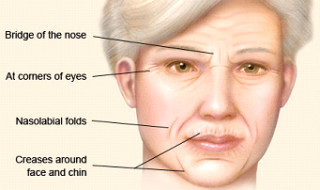
Loss of skin firmness, often referred to as sagging, is a natural consequence of the biological aging process. This process primarily involves the gradual degradation of two critical structural proteins in the dermis: collagen and elastin. Collagen provides the skin with its strength and structure, while elastin allows it to return to its original shape after stretching. As we age, the body’s production of these proteins slows down. Furthermore, cumulative exposure to external factors, such as ultraviolet (UV) radiation and environmental pollutants, accelerates their breakdown through oxidative stress. Consequently, the skin loses its structural integrity and elasticity, leading to visible sagging and the formation of wrinkles. While invasive procedures exist, several evidence-based phytotherapeutic strategies can support the skin’s health and improve its appearance through both internal and topical applications.

Validated Botanical Approaches for Skin Support
Modern phytotherapy focuses on botanicals with documented mechanisms of action that can protect existing collagen, stimulate new synthesis, or provide essential nutrients for skin health. The following plants have demonstrated notable potential in scientific research, offering a significant improvement over unsupported folk remedies like egg white or cinnamon masks, which lack therapeutic efficacy and may cause skin irritation.
Internal Support: Strengthening from Within
-
- Gotu Kola (Centella asiatica): This is a cornerstone botanical for skin health. Gotu Kola contains active compounds called triterpenoids (specifically asiaticoside, madecassic acid, and asiatic acid) that clinical studies have shown can stimulate fibroblast activity and increase the synthesis of type I collagen. Therefore, its consumption may help improve the skin’s underlying supportive matrix.
- Green Tea (Camellia sinensis): Rich in potent antioxidants known as polyphenols, particularly epigallocatechin gallate (EGCG), green tea provides robust protection against oxidative stress. In fact, research indicates that EGCG helps mitigate UV-induced skin damage, a primary driver of collagen degradation. Regular consumption can, as a result, help preserve existing skin firmness.
- Horsetail (Equisetum arvense): Horsetail is a natural source of silica, a trace mineral essential for the synthesis of collagen. Silica acts as a biological cross-linking agent, strengthening the connective tissues throughout the body, including the skin. Consequently, ensuring adequate silica intake supports the structural integrity of the dermis.
Topical Support: Direct Dermal Action
-
- Rosehip Seed Oil (Rosa canina): This oil is a valuable source of trans-retinoic acid (a natural form of Vitamin A), Vitamin C, and essential fatty acids. Retinoids are well-documented for their ability to promote skin cell turnover and collagen production. Thus, topical application of rosehip oil can help improve skin texture, elasticity, and pigmentation.
- Cucumber (Cucumis sativus): While not a long-term solution for sagging, cucumber offers significant benefits for temporary skin concerns. Due to its high water content and cooling properties, it excels at hydrating the skin and reducing transient puffiness, particularly around the eyes. Its effect is primarily cosmetic and temporary, but it provides excellent soothing and moisturizing benefits.
Administration Protocol and Safety Limits for Gotu Kola (Centella asiatica)
For therapeutic use, particularly for systemic benefits on connective tissue, Gotu Kola requires a structured protocol. Adherence to dosage and duration is critical to ensure both efficacy and safety.
Treatment Duration
For internal use, a typical therapeutic cycle involves consuming Gotu Kola for 6 to 8 consecutive weeks. Following this period, a mandatory break of 2 to 4 weeks is essential. This cycling strategy helps prevent potential tolerance and minimizes any risk of long-term adverse effects. Do not exceed three treatment cycles per year without consulting a healthcare professional.
Quantity and Maximum Dose
-
- Dried Herb Infusion (Tea): Prepare using 1-2 grams of dried Gotu Kola leaves per cup (250 ml) of hot water. The maximum recommended daily dose for a healthy adult is 2-3 cups (approximately 4-6 grams of dried herb).
- Standardized Extract (Capsules): Follow product-specific instructions. Generally, dosages range from 60 to 120 mg of total triterpenoids per day, divided into two doses.
Overdose Risk: Exceeding the recommended daily dose, especially with concentrated extracts, may increase the risk of adverse effects such as headache, dizziness, or, in rare cases, hepatotoxicity with prolonged high-dose use.
Administration Condition
For optimal absorption of its active compounds, consume Gotu Kola preparations, whether tea or extract, between meals. If mild gastric discomfort occurs, it can be taken with a small amount of food. Additionally, ensure adequate hydration throughout the day by drinking at least 1.5 to 2 liters of water.
Specific Biological Limitation
Hepatic Metabolism and Caution: The primary biological limitation of Gotu Kola relates to its metabolism in the liver. Although generally considered safe, the active triterpenoid saponins are processed by hepatic enzymes. In rare instances, idiosyncratic (unpredictable) liver injury has been reported in scientific literature, typically associated with very high doses, prolonged use without breaks, or in individuals with pre-existing liver conditions. This effect underscores the importance of adhering to recommended dosages and treatment cycles. For this reason, individuals with a history of hepatitis, cirrhosis, or elevated liver enzymes must avoid internal use of Gotu Kola unless explicitly approved and monitored by a physician.
Contraindications and Precautions
Absolute Contraindications
-
- Pre-existing Liver Disease: Forbidden for individuals with hepatitis, cirrhosis, or unexplained elevated liver enzymes due to the risk of exacerbating the condition.
- Planned Surgery: Discontinue use at least two weeks before any scheduled surgery, as it may have mild sedative effects that could interact with anesthesia.
- Allergy: Individuals with a known allergy to plants in the Apiaceae family (such as parsley, carrots, or celery) may have a cross-reaction.
Vulnerable Populations
-
- Pregnancy and Breastfeeding: Use is contraindicated due to a lack of sufficient safety data and potential effects on uterine tone.
- Children: Not recommended for internal use in children under 18 years of age.
Major Drug Interactions
-
- Sedatives and Anxiolytics: Gotu Kola may have mild sedative properties. Therefore, combining it with CNS depressants (e.g., benzodiazepines, barbiturates) could potentiate their effects, leading to excessive drowsiness.
- Hepatotoxic Medications: Avoid concurrent use with other drugs known to be potentially harmful to the liver (e.g., high-dose acetaminophen, certain statins, methotrexate) to minimize cumulative risk.
Documented Adverse Effects
-
- Common (Topical): Allergic contact dermatitis may occur in sensitive individuals.
- Rare (Internal): Headache, nausea, dizziness, and drowsiness.
Therapeutic Alternatives
If Gotu Kola is not a suitable option, other botanicals and conventional treatments can support skin health.
Botanical Alternatives with Studies
-
- Pomegranate (Punica granatum) Extract: Rich in punicalagins and ellagic acid, pomegranate has demonstrated potent antioxidant and anti-inflammatory properties that protect skin from photoaging.
- Ginseng (Panax ginseng): Contains ginsenosides that may increase collagen production and protect against UV-induced skin damage.
Pharmacological and Cosmetic Options
-
- Topical Retinoids (e.g., Tretinoin, Retinol): Considered the gold standard in dermatology for stimulating collagen synthesis and improving skin texture.
- Vitamin C Serums: A crucial antioxidant and a necessary cofactor for collagen production, topical Vitamin C helps protect the skin and brighten its tone.
Note: Each alternative has its own distinct profile of benefits and contraindications.
Recent Medical Research (2020-2026)
Recent investigations continue to validate the dermatological benefits of Centella asiatica. A 2022 systematic review published in the journal Cosmetics reaffirmed its efficacy in wound healing, anti-inflammatory action, and its role as an anti-aging agent, highlighting its ability to stimulate collagen. Furthermore, a 2022 study explored its photoprotective effects, showing that its antioxidant properties help shield skin cells from UV-induced damage. The current scientific consensus strongly supports the use of Gotu Kola in evidence-based skincare, both as a topical agent and an internal supplement, for improving skin resilience and structure. However, more large-scale human trials are still needed to standardize optimal dosages for specific anti-aging outcomes.
Quick Guide: Botanical Safety for Skin Health
| Category | Details |
|---|---|
| ❌ Who should AVOID (Internal Use) | • Individuals with liver disease • Pregnant or breastfeeding women • Those scheduled for surgery • Children under 18 |
| 📊 Maximum safe dose (Gotu Kola) | • Tea: 2-3 cups/day (4-6g dried herb) • Duration: 6-8 weeks maximum • Mandatory break: 2-4 weeks |
| 🚨 ALARM signs (Stop Immediately) | • Skin rash or itching (topical use) • Unusual fatigue, nausea, or yellowing of skin/eyes (internal use) • Severe headache or dizziness |
| 💊 Major interactions | • Sedative medications (e.g., benzodiazepines) • Other potentially liver-toxic drugs |
| ⏱️ When to consult a doctor | IMMEDIATELY if alarm signs appear OR Before starting if you have any chronic health condition. |
💡 Golden rule: Always perform a patch test on a small area of skin before applying any new topical product widely.
Home Preparation: Rosehip and Gotu Kola Infused Facial Oil
Why make it at home?
Creating your own facial oil ensures maximum freshness, avoids synthetic preservatives, and allows you to control the quality of the ingredients for a potent, natural product.
Ingredients:
-
- 100 ml high-quality, cold-pressed Rosehip Seed Oil
- 10 grams dried, organic Gotu Kola leaves
- Optional: 5-6 drops of Vitamin E oil (natural preservative)
Required Equipment:
-
- A small, sterilized glass jar with a tight-fitting lid
- Cheesecloth or a fine-mesh strainer
- A dark amber dropper bottle for storage
Preparation Method (Cold Infusion):
-
- Combine Ingredients: Place the dried Gotu Kola leaves into the sterilized glass jar. Pour the Rosehip Seed Oil over the leaves, ensuring they are fully submerged.
- Maceration: Seal the jar tightly and place it in a cool, dark location (like a cupboard) for 4 to 6 weeks. This allows the oil-soluble compounds from the Gotu Kola to infuse into the oil.
- Agitate Gently: Shake the jar gently every couple of days to facilitate the infusion process.
- Strain: After the maceration period, carefully strain the oil through a cheesecloth into a clean bowl. Squeeze the cloth to extract every last drop of the infused oil.
- Store: Add the Vitamin E oil (if using) and stir. Transfer the finished oil into the dark amber dropper bottle. Label it with the name and date of preparation.
Shelf Life and Usage:
The oil will last for 6-12 months if stored in a cool, dark place. Apply 3-5 drops to your face and neck in the evening after cleansing. Gently massage it into the skin using upward circular motions.
Specialist’s Summary
Phytotherapy offers valuable tools for supporting skin firmness, primarily through botanicals like Gotu Kola, which can stimulate collagen synthesis, and Green Tea, which provides antioxidant protection. These approaches yield moderate, gradual effects and are best used as part of a holistic strategy that includes sun protection and a healthy lifestyle. However, they are contraindicated in specific situations, such as pregnancy and liver disease, and require careful adherence to safety protocols. Validated cosmetic alternatives like topical retinoids and Vitamin C often provide more potent and faster results.
Frequently Asked Questions
Can natural remedies completely reverse sagging skin?
No, natural remedies cannot completely reverse significant skin sagging, which is a complex structural change. However, evidence-based botanicals like Gotu Kola and Rosehip Oil can help improve skin elasticity, support collagen production, and slow down the aging process, leading to a visible improvement in skin tone and texture over time.
How long does it take to see results from using these botanicals?
Results are not immediate. For internal supplements like Gotu Kola, consistent use for at least one full treatment cycle (6-8 weeks) is typically required before noticeable improvements in skin resilience may be observed. For topical oils like Rosehip, changes in skin texture and hydration can be seen within a few weeks, but effects on firmness take 3-6 months of regular application.
Is it safe to combine these herbal remedies with cosmetic procedures?
It is crucial to consult with both your dermatologist and a qualified healthcare practitioner before combining remedies. You must discontinue internal supplements like Gotu Kola at least two weeks before any procedure involving anesthesia or significant skin trauma (e.g., microneedling, laser) to avoid potential interactions or complications.
Sources and References
Recent Studies (2020-2026):
-
- Gohil, K. J., Patel, J. A., & Gajjar, A. K. (2010). Pharmacological Review on Centella asiatica: A Potential Herbal Cure-all. Indian Journal of Pharmaceutical Sciences, 72(5), 546–556. Link
- Bylka, W., Znajdek-Awiżeń, P., Studzińska-Sroka, E., & Brzezińska, M. (2013). Centella asiatica in cosmetology. Postepy Dermatologii i Alergologii, 30(1), 46–49. Link
- Ratz-Łyko, A., Arct, J., & Pytkowska, K. (2022). An Overview of the Application of Centella asiatica in Cosmetology. Cosmetics, 9(2), 34. Link
Official Monographs: