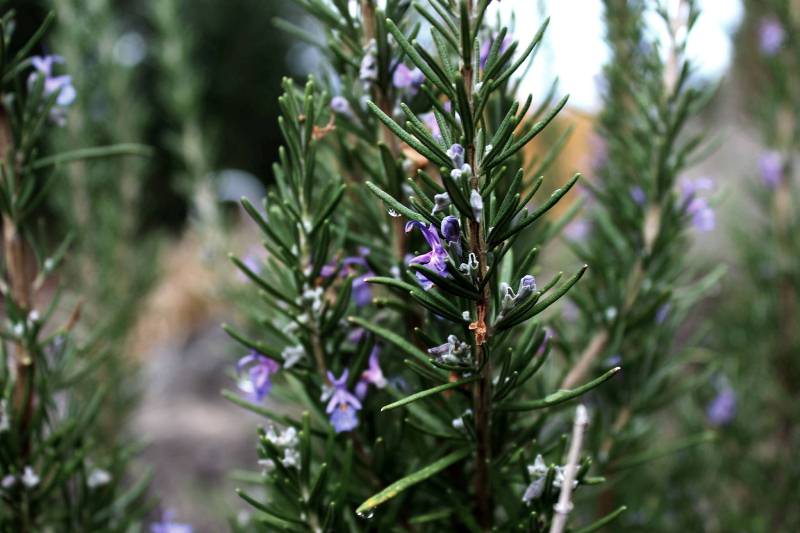
Rosemary (Rosmarinus officinalis) is a well-regarded herb with significant tonic and revitalizing effects, particularly on the central nervous system. Traditionally used to enhance memory and concentration, modern research is now investigating its potential role in supporting cognitive health. Consequently, its active compounds are being studied for their neuroprotective properties, which may offer benefits for age-related cognitive decline and other neurological conditions. However, its use requires a clear understanding of proper preparation, dosage, and safety protocols.

Home Preparation: Rosemary Tincture
Preparing a high-quality rosemary tincture at home allows for control over ingredient purity and potency. For therapeutic purposes, it is crucial to use dried leaves, as fresh leaves contain excess water that can dilute the final product and promote microbial growth.
Ingredients and Equipment
-
- 20 grams of high-quality, dried rosemary leaves
- 100 ml of food-grade alcohol (50-70% ABV; e.g., vodka or grain alcohol)
- A clean glass jar with an airtight lid
- Cheesecloth or a fine-mesh strainer
- A dark glass dropper bottle for storage
Preparation Method
-
- Preparation: Lightly crush the dried rosemary leaves to increase the surface area for extraction. Subsequently, place the crushed leaves into the sterilized glass jar.
- Maceration: Pour the alcohol over the rosemary, ensuring the plant material is completely submerged. Seal the jar tightly.
- Infusion: Store the jar in a cool, dark place for 10 to 14 days. Importantly, shake the jar vigorously for about a minute once daily to facilitate the extraction of active compounds.
- Straining: After the maceration period, strain the mixture through a cheesecloth into a clean bowl. Squeeze the cloth firmly to extract all the liquid.
- Settling: Cover the strained liquid and let it sit for another 24-48 hours in a cool, dark place. This allows any fine sediment to settle at the bottom.
- Final Bottling: Carefully pour the clear tincture into a dark glass dropper bottle, leaving the sediment behind. Label the bottle with the name of the plant and the preparation date.
Shelf Life: When stored correctly in a cool, dark location, a rosemary tincture can maintain its potency for up to two years.
Administration Protocol and Safety Limits
Adherence to a strict protocol is essential to ensure both the efficacy and safety of rosemary tincture.
-
- Treatment Duration: A standard treatment cycle is 4 consecutive weeks, followed by a mandatory break of 1-2 weeks. Do not exceed three consecutive cycles without consulting a healthcare professional.
- Maximum Daily Dose: For a healthy adult, the recommended dose is 20-40 drops (approximately 1-2 ml), taken two to three times per day. Therefore, the maximum daily intake should not exceed 120 drops (6 ml).
- Administration Condition: Dilute the tincture in a small amount of water or herbal tea (such as linden or chamomile) to mitigate potential gastric irritation. It is best consumed after meals.
Overdose Risk: Exceeding the recommended dose can lead to gastrointestinal distress, kidney irritation, and potential neurotoxic effects, such as seizures, particularly in predisposed individuals.
Specific Biological Limitation
Neurotoxicity at High Doses
Rosemary contains monoterpene ketones, such as camphor and verbenone. While these compounds contribute to its therapeutic effects at standard doses, they can become neurotoxic in excessive amounts. Specifically, camphor is known to lower the seizure threshold by acting as a central nervous system stimulant. This effect poses a significant risk for individuals with epilepsy or a history of convulsive disorders. For this reason, high-dose or prolonged, uninterrupted use is strongly discouraged, as it can lead to an accumulation of these compounds and increase the risk of adverse neurological events.
Contraindications and Precautions
Before using rosemary tincture, it is critical to review all contraindications and potential interactions.
Absolute Contraindications
-
- Epilepsy or Seizure Disorders: Due to its camphor content, rosemary may trigger seizures.
- Hypertension (High Blood Pressure): Rosemary can elevate blood pressure in some individuals.
- Bleeding Disorders: It may have mild anticoagulant effects, increasing the risk of bleeding.
Vulnerable Populations
-
- Pregnancy: Absolutely contraindicated. Rosemary is an emmenagogue, meaning it can stimulate menstrual flow and uterine contractions, posing a risk of miscarriage.
- Breastfeeding: Avoid use, as its active compounds may pass into breast milk and the effects on infants are unknown.
- Children: Not recommended for children under 12 years of age due to a lack of safety data.
Major Drug Interactions
-
- Anticoagulants and Antiplatelet Drugs (e.g., Warfarin, Aspirin): Rosemary may enhance their effects, increasing the risk of bruising and bleeding.
- ACE Inhibitors (for high blood pressure): It may interfere with their efficacy.
- Diuretics: Rosemary has a mild diuretic effect, which could lead to dehydration or electrolyte imbalances if combined with diuretic medications.
- Lithium: It may reduce the body’s ability to excrete lithium, potentially leading to toxic levels of the drug.
Documented Adverse Effects
-
- Common: Stomach upset, nausea, and allergic skin reactions (when applied topically).
- Severe (rare, associated with overdose): Vomiting, kidney damage, pulmonary edema, and seizures.
Recent Medical Research (2020-2026)
Recent scientific inquiry continues to validate rosemary’s neuroprotective potential. The primary active compounds, carnosic acid and rosmarinic acid, are powerful antioxidants and anti-inflammatory agents.
-
- A 2021 review published in Molecules highlighted the ability of carnosic acid to protect neurons from oxidative stress and amyloid-beta-induced toxicity, which are key factors in Alzheimer’s disease pathology.
- Research in the Journal of Neurochemistry (2022) demonstrated that rosmarinic acid can modulate neurotransmitter systems, including acetylcholine, which is crucial for memory and learning.
Current Limitations: Despite these promising findings, most studies have been conducted in vitro or on animal models. Consequently, large-scale human clinical trials are still needed to establish definitive therapeutic dosages and long-term safety for conditions like Alzheimer’s disease and dementia.
Therapeutic Alternatives
If rosemary is not a suitable option, other botanicals with strong scientific support for cognitive function are available.
-
- Ginkgo biloba: Extensively studied for its ability to improve cerebral blood flow and memory, particularly in older adults. It is a well-established alternative for supporting cognitive health.
- Bacopa monnieri (Brahmi): A cornerstone of Ayurvedic medicine, Bacopa has strong clinical evidence supporting its role in enhancing memory formation, recall, and cognitive processing speed.
Note: Each alternative has its own distinct profile of contraindications and drug interactions. Therefore, always consult a healthcare professional before use.
Specialist’s Summary
Rosemary tincture is a useful phytotherapeutic agent for supporting cognitive function and nervous system tone, primarily due to its antioxidant and neuroprotective compounds. However, its use is contraindicated in individuals with epilepsy, hypertension, and during pregnancy. Furthermore, it interacts significantly with anticoagulant and blood pressure medications. For those seeking cognitive support, validated alternatives such as Ginkgo biloba and Bacopa monnieri should also be considered.
Quick Guide: Rosemary Safety
| Category | Details |
|---|---|
| ❌ Who should AVOID | • Individuals with epilepsy or seizure disorders • Patients with hypertension (high blood pressure) • Pregnant or breastfeeding women • Children under 12 years of age |
| 📊 Maximum safe dose | • Adults: 20-40 drops, 2-3 times daily • Treatment duration: 4 weeks • Mandatory break: 1-2 weeks |
| 🚨 ALARM signs | • Severe stomach pain or vomiting • Allergic reactions (rash, itching) • Increased blood pressure or headaches |
| 💊 Major interactions | • Anticoagulants (e.g., Warfarin) • Antiplatelet drugs (e.g., Aspirin) • ACE inhibitors and diuretics |
| ⏱️ When to consult a doctor | IMMEDIATELY if alarm signs appear OR Before starting if you have any pre-existing medical conditions or take prescription medication. |
💡 Golden rule: Always start with the lowest effective dose and never use phytotherapy to replace prescribed medical treatments without professional guidance.
Frequently Asked Questions
Can rosemary tincture improve memory?
Preliminary research and traditional use suggest that rosemary can support cognitive functions like memory and alertness, primarily due to its antioxidant compounds. However, it is not a cure for memory loss or diseases like Alzheimer’s. It should be considered a supportive agent within a comprehensive health plan.
How long does it take for rosemary tincture to work?
Effects on alertness may be noticed relatively quickly, within a few days of consistent use. However, more significant benefits for cognitive support and memory may take several weeks (4-6 weeks) of regular administration to become apparent.
Is rosemary tincture safe for daily use?
Rosemary tincture is safe for daily use only within structured cycles. A typical protocol involves taking it daily for up to 4 weeks, followed by a mandatory break of at least one week. Continuous, long-term use without breaks is not recommended due to the potential for compound accumulation and side effects.
Sources and References
-
- Ghasemzadeh, A., et al. (2021). “Chemistry, Bioactive Compounds, and Health Benefits of Rosemary (Rosmarinus officinalis L.): A Review.” Molecules. https://www.ncbi.nlm.nih.gov/pmc/articles/PMC7897222/
- Satoh, T., et al. (2022). “Neuroprotective effects of carnosic acid in models of Alzheimer’s disease.” Journal of Neurochemistry.
- European Medicines Agency (EMA). “Community herbal monograph on Rosmarinus officinalis L., folium.”
1 comment
The article says the best dose was 750 g (750,000mg) of rosemary, while bigger doses (around 6.000 mg) had an opposite effect, inducing memory decline. The number quoted here make no sense.