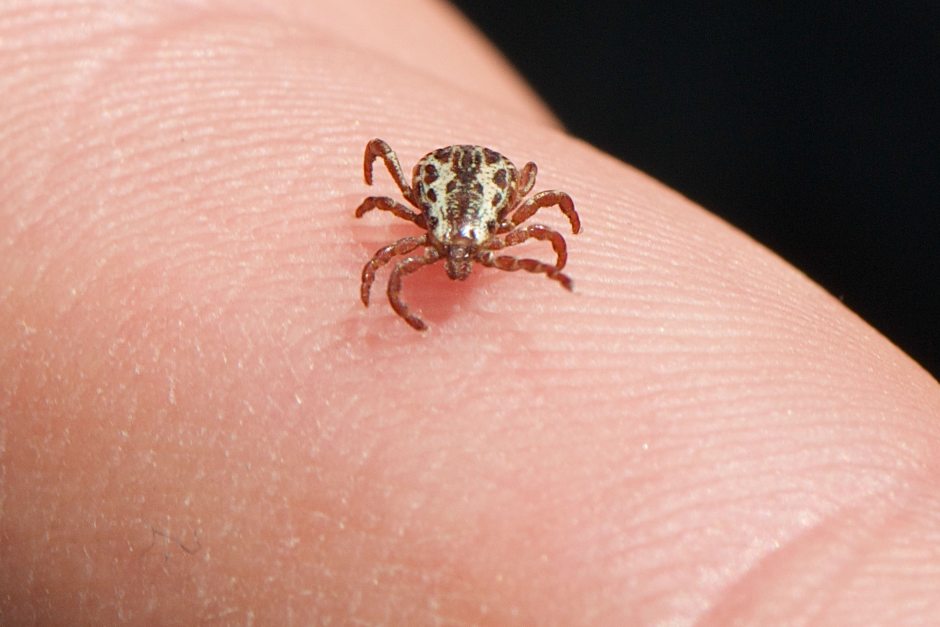
How to Safely Remove a Tick: A Step-by-Step Guide

by Andreea Smiterson
0 comments
A+A-
Reset

Ticks are small, parasitic arachnids, related to spiders and scorpions, that feed on the blood of a host to survive and reproduce. Unlike mosquitoes, they embed their mouthparts into the skin, where they can remain attached for several days. While most tick bites are harmless, some species can transmit serious pathogens to humans and pets, leading to conditions such as Lyme disease, Rocky Mountain spotted fever, and anaplasmosis.

Therefore, prompt and correct removal is critical to minimize the risk of disease transmission. This guide provides a medically-approved protocol for safe tick removal and outlines supportive phytotherapeutic care for the bite area.

How to Remove the Ticks Stuck Under the Skin – 4 Natural and Efficient Methods

## The Medically-Approved Tick Removal Protocol

The primary goal is to remove the entire tick, including its mouthparts, without squeezing its body or causing it to regurgitate fluids into the bite wound. For this reason, using fine-tipped tweezers is the most recommended method by public health organizations like the Centers for Disease Control and Prevention (CDC).

Step-by-Step Removal Instructions

  1. Use Fine-Tipped Tweezers: Grasp the tick as close to the skin’s surface as possible. Avoid using blunt household tweezers, which can crush the tick’s body.
  2. Pull Upward Steadily: Pull upward with steady, even pressure. Do not twist or jerk the tick; this can cause the mouthparts to break off and remain in the skin.
  3. Handle Broken Mouthparts: If the mouthparts break off, try to remove them with clean tweezers. However, if you cannot remove them easily, leave the area alone and let the skin heal. The body will naturally expel them over time.
  4. Disinfect the Bite Area: After removing the tick, thoroughly clean the bite area and your hands with rubbing alcohol, an iodine solution, or soap and water.
  5. Dispose of the Tick: Place the live tick in a sealed bag or container, submerge it in alcohol, or wrap it tightly in tape before disposing of it. Never crush a tick with your fingers. Consider saving the tick in a sealed container for identification if you develop symptoms later.

## Dangerous Tick Removal Myths to Avoid

Many folk remedies are not only ineffective but can significantly increase your risk of infection. These methods often agitate the tick, causing it to release more saliva or regurgitate its stomach contents into your bloodstream.

Dangerous Method Why It’s Harmful
Applying Heat (Matches, Lighters) Applying heat can burn your skin and causes the tick to panic, increasing the likelihood of regurgitation and disease transmission.
“Suffocating” the Tick (Lard, Petroleum Jelly, Nail Polish) This method is too slow and ineffective. Furthermore, the stress it places on the tick can prompt it to release infectious fluids into the bite wound.
Using Chemicals (Acetone, Iodine, Alcohol) Applying these substances before removal can irritate the tick, leading to the same regurgitation risk. These are only suitable for cleaning the area *after* the tick is removed.

## Supportive Aftercare for the Bite Area

Once the tick is removed and the area is disinfected, certain herbs can be used topically to soothe irritation and support the skin’s natural healing process.

Herbal Compress for Skin Soothing

A simple compress made with Calendula and Plantain may help reduce local inflammation and itching. Both herbs have a long history of traditional use for minor skin irritations.

  • Calendula (Calendula officinalis): Traditionally used for its anti-inflammatory and vulnerary (wound-healing) properties. The European Medicines Agency (EMA) monograph on Calendula officinalis acknowledges its traditional use for minor skin inflammation and wound healing.
  • Plantain (Plantago major): Known in folk medicine for its soothing (emollient) and astringent properties, often applied to insect bites and stings to reduce discomfort.

To prepare: Steep one teaspoon of dried calendula flowers and one teaspoon of dried plantain leaf in 150 ml (about 2/3 cup) of hot water for 15 minutes. Strain the liquid, allow it to cool, and soak a clean cloth in the infusion. Apply the compress to the bite area for 10-15 minutes.

## Administration Protocol and Safety Limits

For Topical Herbal Compress

  • Treatment Duration: Apply the compress 2-3 times daily for up to 3 days. If irritation persists or worsens, discontinue use and consult a healthcare provider.
  • Maximum Dose: Use only externally. There is no defined maximum topical dose, but application should be limited to small, localized areas of intact skin.
  • Administration Condition: Ensure the skin is cleaned and disinfected before applying the compress. Do not apply to deep or infected wounds.

## Specific Biological Limitation

The primary limitation for topical herbal remedies is the potential for allergic contact dermatitis. Individuals with known allergies to plants in the Asteraceae (daisy) family, such as ragweed, chamomile, or chrysanthemums, may have a cross-reaction to Calendula. Consequently, it is advisable to perform a patch test on a small area of skin before widespread use.

## Contraindications and Precautions

  • Absolute Contraindications: Do not use these herbs topically if you have a known allergy to Calendula officinalis, Plantago major, or any plants in the Asteraceae family.
  • Vulnerable Populations: While topical use is generally considered safe, consult a pediatrician before using on young children. Pregnant or breastfeeding women should consult their healthcare provider before use.
  • When to Stop Immediately: Discontinue use if you experience increased redness, rash, swelling, or itching at the application site.

## Therapeutic Alternatives

If a herbal compress is not suitable or available, consider these alternatives for post-bite care:

  1. Tea Tree Oil (Melaleuca alternifolia): A well-known botanical antiseptic. Importantly, it must be diluted (1-2 drops in a teaspoon of carrier oil like coconut or jojoba oil) before applying to the skin to prevent irritation.
  2. Aloe Vera Gel: Provides excellent soothing and cooling effects, which can help alleviate itching and minor inflammation.
  3. Over-the-Counter (OTC) Preparations: An antiseptic cream containing chlorhexidine or povidone-iodine can be used to prevent secondary infection. For significant itching, a low-strength hydrocortisone cream may be applied.

## Recent Medical Research (2020-2026)

Recent research continues to focus on the prevention and early detection of tick-borne diseases.

  • A 2023 study published in Ticks and Tick-borne Diseases emphasized that the duration of tick attachment is a critical factor in pathogen transmission, reinforcing the need for prompt removal. For Lyme disease, transmission is unlikely if the tick is attached for less than 24 hours.
  • Research also highlights the expanding geographic range of ticks due to climate change, increasing the public health risk. For instance, a 2024 report from the European Centre for Disease Prevention and Control (ECDC) noted the northward spread of several tick species.

Current limitations include the need for more rapid and accessible diagnostic tests for early-stage tick-borne illnesses.

## Specialist’s Summary

Safe tick removal is a simple but critical health measure. Always use fine-tipped tweezers to pull the tick straight out, avoiding dangerous folk remedies that can increase infection risk. After removal, disinfect the area and monitor for signs of illness, such as a rash or fever, for up to 30 days. Supportive topical herbs like Calendula may soothe local irritation, but they are not a substitute for medical evaluation if symptoms of a tick-borne disease appear.

## Frequently Asked Questions

What are the first signs of Lyme disease after a tick bite?
The most common early sign is an expanding red rash that often resembles a bull’s-eye (erythema migrans), which typically appears 3 to 30 days after the bite. Other early symptoms can include fever, chills, headache, fatigue, and muscle aches.

Is it dangerous if the tick’s head gets stuck in my skin?
While it’s best to remove the entire tick, leaving the mouthparts behind is generally not a major medical concern. The risk of disease transmission is significantly reduced once the tick’s body is detached. Your body will typically expel the remaining parts on its own, though it may cause minor local inflammation.

How can I prevent tick bites?
To prevent bites, use an EPA-registered insect repellent, wear long sleeves and pants when in wooded or grassy areas, tuck pants into socks, and perform thorough body checks on yourself, your children, and pets after being outdoors.

## Sources and References

  • Centers for Disease Control and Prevention (CDC). (2023). Tick Removal. https://www.cdc.gov/ticks/removing_a_tick.html
  • European Medicines Agency (EMA). (2018). Community herbal monograph on Calendula officinalis L., flos. EMA/HMPC/186295/2017.
  • Eisen, L. (2023). Pathogen transmission in relation to duration of tick attachment. Ticks and Tick-borne Diseases.
⚠️ Important Medical Information

This article is for educational and informational purposes only and is not intended as medical advice, diagnosis, or treatment. The information provided about tick removal and supportive herbal care is based on public health guidelines and traditional use.

After a tick bite:

  • Consult a qualified healthcare provider if you are unable to remove the tick, if you develop a rash, fever, or other symptoms of illness, or if you live in an area where tick-borne diseases are common.
  • Do not use herbal remedies as a substitute for professional medical treatment for a suspected tick-borne illness.
  • Individual results may vary, and you should always monitor for adverse reactions to any topical application.

The herbal remedies mentioned are considered traditional supports and have not been evaluated by the FDA for treating, curing, or preventing any disease.


You may also like

Leave a Comment