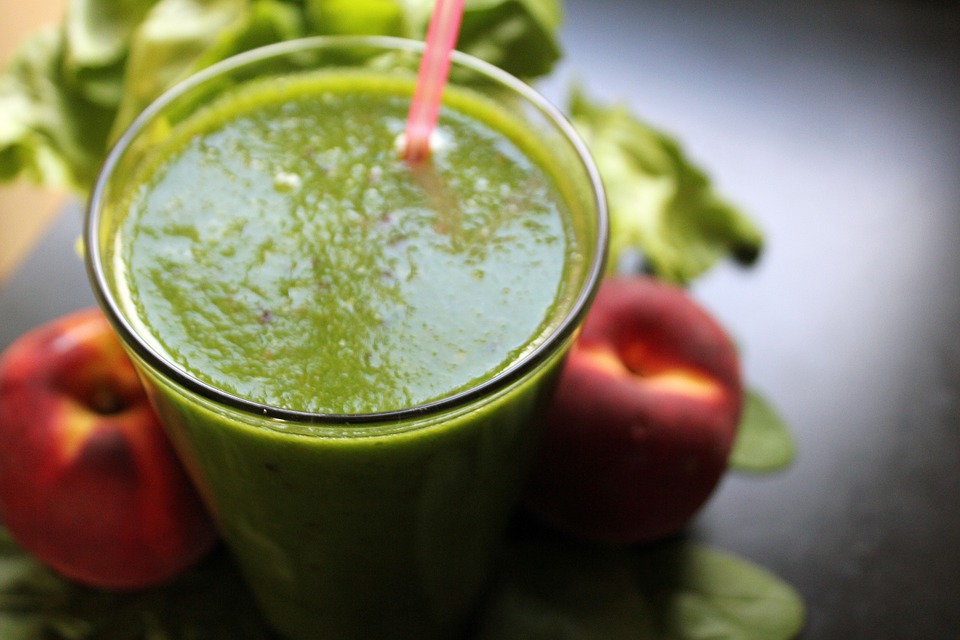
Green Juice for Blood Sugar Support: Benefits and Safe Use

by Andreea Smiterson
1 comment
A+A-
Reset

Managing type 2 diabetes requires a comprehensive approach that includes medical supervision, prescribed medication, and significant lifestyle adjustments. Furthermore, while medication is often essential for controlling blood glucose levels, a well-planned diet plays a crucial supportive role in overall metabolic health. Integrating nutrient-dense, low-glycemic foods can be a beneficial strategy.

However, it is critical to approach natural remedies with caution and evidence. Some popular recommendations, such as juices high in fruit sugars, can be counterproductive and potentially harmful for individuals with diabetes. This article provides an evidence-based perspective on using a specific low-glycemic green juice to complement a diabetes management plan, emphasizing safety, scientific rationale, and realistic expectations.

reverse diabetes effects

### The Role of Diet in Supporting Diabetes Care

A diet rich in non-starchy vegetables, fiber, and essential minerals is a cornerstone of effective diabetes management. For instance, nutrients like magnesium and antioxidants found in leafy greens have been studied for their potential to improve insulin sensitivity and reduce oxidative stress, which are common issues in metabolic disorders.

This guide focuses on a carefully formulated green juice designed to provide these nutrients without causing a significant spike in blood sugar. Importantly, this should be viewed as a dietary supplement, not a replacement for medication or a “cure” for diabetes.

## A Nutrient-Dense Green Juice for Metabolic Support

This recipe prioritizes vegetables with a low glycemic index and high nutritional value. The small amount of green apple provides flavor while minimizing the sugar load.

Ingredients:

  • 3 handfuls of fresh spinach: A rich source of magnesium, a mineral linked to improved insulin sensitivity. Research published in the journal Nutrients suggests that adequate magnesium intake is associated with a lower risk of type 2 diabetes.
  • 2 celery stalks (including leaves): Celery is low in calories and carbohydrates, providing hydration and fiber. It also contains flavonoids like apigenin, which have been studied for their anti-inflammatory properties.
  • 1 small green apple: Chosen for its lower sugar content compared to red varieties and for its high fiber and quercetin content.
  • 1 medium carrot: Adds sweetness and is a source of beta-carotene. While it contains natural sugars, its inclusion in a fiber-rich juice helps moderate its glycemic impact.
  • 1/2 cucumber (optional): Primarily for hydration and volume, as it is very low in calories and sugar.

Instructions:

  1. Thoroughly wash all vegetables and the apple.
  2. Peel the carrot if it is not organic. Core the apple and remove the seeds.
  3. Process all ingredients through a juicer.
  4. For best results, consume the juice immediately to maximize nutrient intake.

## Administration Protocol and Safety Limits

### Daily Integration and Maximum Dose

  • Recommended Daily Amount: Limit consumption to one glass (approximately 8-10 ounces or 250-300 ml) per day.
  • Maximum Dose: Avoid consuming multiple glasses per day. Exceeding this amount can lead to an excessive intake of oxalates from spinach, which may be a concern for individuals prone to kidney stones, and can increase the overall sugar intake.

### Administration for Optimal Glycemic Control

  • Timing: To prevent a rapid rise in blood sugar, consume this juice with a meal that contains protein and healthy fats, not on an empty stomach. The presence of other macronutrients slows the absorption of sugar.
  • Monitoring: Always monitor your blood glucose levels after introducing any new food or drink into your diet to understand its specific effect on your body.

## Specific Biological Limitation

The primary limitation of any juice, even a vegetable-based one, is the removal of insoluble fiber during the juicing process. Fiber is essential for slowing down the absorption of sugars into the bloodstream. Without it, the natural sugars from the apple and carrot are absorbed more quickly than if the vegetables were eaten whole. Therefore, individuals with diabetes, particularly those with brittle or poorly controlled glucose levels, must exercise caution and adhere strictly to portion control.

## Contraindications and Precautions

Category Warning and Explanation
Absolute Contraindications Individuals with chronic kidney disease (CKD) or a history of oxalate kidney stones should avoid this juice. Spinach is high in oxalates, and both celery and carrots are sources of potassium, which may need to be restricted in those with impaired kidney function.
Major Drug Interactions Anticoagulants (e.g., Warfarin/Coumadin): Spinach is rich in Vitamin K, which plays a key role in blood clotting. A sudden, significant increase in Vitamin K intake can interfere with the effectiveness of these medications. Consult your doctor to ensure consistent Vitamin K consumption.
Vulnerable Populations While generally safe, portion sizes should be carefully considered. This juice is not a substitute for a balanced diet in pregnant or breastfeeding women.
Potential Adverse Effects In some individuals, high vegetable intake can cause temporary digestive upset, such as bloating or gas. Consuming with a meal can help mitigate this.

## Therapeutic Alternatives

If this green juice is not suitable for you, or if you are looking for other evidence-based natural options to support blood sugar management, consider the following. Always discuss these with your healthcare provider before use.

1. Cinnamon (Cinnamomum verum): Several studies suggest that true cinnamon may help improve insulin sensitivity and lower fasting blood glucose levels. It can be easily added to foods or taken as a standardized supplement.
2. Bitter Melon (Momordica charantia): Traditionally used in Asian medicine, bitter melon contains compounds that appear to have glucose-lowering effects. It can be consumed as a vegetable, juice, or in supplement form. Its use requires careful blood sugar monitoring due to its potent effects.
3. Fenugreek (Trigonella foenum-graecum): The seeds of this plant are high in soluble fiber, which can help slow the absorption of carbohydrates and sugar. Research indicates it may improve most metabolic symptoms associated with both type 1 and type 2 diabetes.

## Recent Medical Research (2020-2026)

Recent research continues to reinforce the link between diet and diabetes management, focusing on whole foods over extracts or juices.

– A 2023 meta-analysis published in the *British Medical Journal (BMJ)* confirmed that higher consumption of green leafy vegetables is significantly associated with a reduced risk of developing type 2 diabetes. This highlights the benefits of the raw ingredients (spinach) used in the juice.
– Research in the *International Journal of Molecular Sciences* (2022) explored the role of flavonoids like quercetin (found in apples) in metabolic health, noting their potential to improve glucose uptake and protect pancreatic beta-cells.

However, it is important to note that the body of evidence supporting whole vegetable consumption is far more robust than that for juicing. The benefits of juicing are primarily related to concentrated nutrient intake, but this comes at the cost of fiber removal.

## Specialist’s Summary

A low-glycemic green juice made from spinach, celery, and a small amount of carrot and green apple can be a supportive dietary addition for individuals managing diabetes, primarily by providing concentrated vitamins and minerals like magnesium. However, it is not a treatment and must be consumed in moderation with a meal to avoid blood sugar spikes. It is strictly contraindicated for individuals with kidney disease and requires caution for those on anticoagulant medications like warfarin. Validated alternatives with more direct evidence for blood sugar support include cinnamon, bitter melon, and fenugreek.

## Frequently Asked Questions

1. Can this green juice replace my diabetes medication?

Absolutely not. This juice is a nutritional supplement to a healthy diet, not a medical treatment. You should never stop or alter your prescribed medication without consulting your doctor. Doing so can be extremely dangerous.

2. Is it better to eat the vegetables whole instead of juicing them?

Yes. Eating vegetables whole is nutritionally superior because it retains all the dietary fiber. Fiber is critical for slowing sugar absorption, promoting satiety, and supporting digestive health. Juicing should be seen as a convenient way to boost nutrient intake, not as a replacement for eating whole vegetables.

3. How much sugar is in one glass of this juice?

A rough estimate for an 8-ounce (250 ml) serving would be approximately 10-15 grams of carbohydrates, mostly from the apple and carrot. This amount can vary. It is essential to account for these carbohydrates in your daily meal plan and monitor your blood sugar response.

4. Is this juice safe during pregnancy if I have gestational diabetes?

You must consult your obstetrician or a registered dietitian before adding this juice to your diet. While the ingredients are healthy, managing gestational diabetes requires very precise carbohydrate control, and your healthcare team can best advise if and how this juice can fit into your specific meal plan.

## Sources and References

– Veronese, N., et al. (2021). Magnesium and health outcomes: an umbrella review of systematic reviews and meta-analyses of observational and intervention studies. *European Journal of Nutrition*.
– D’unser, M. A., et al. (2023). Fruit and vegetable intake and the risk of type 2 diabetes: a systematic review and meta-analysis of prospective cohort studies. *BMJ*.
– Riaz, M., & Zia-Ul-Haq, M. (2022). Quercetin and Its Role in the Management of Diabetes. *International Journal of Molecular Sciences*.
– World Health Organization (WHO). Monographs on Selected Medicinal Plants.

⚠️ Important Medical Information

This article is for educational and informational purposes only and is not intended as medical advice, diagnosis, or treatment. The information provided about this green juice recipe is based on general nutritional principles and available scientific evidence, which may be limited.

Before using this green juice recipe:

  • Consult a qualified healthcare provider or registered dietitian, especially if you are pregnant, breastfeeding, taking medications, or have existing health conditions like diabetes or kidney disease.
  • Do not use as a substitute for prescribed medications or professional medical treatment.
  • Individual results may vary – what works for one person may not work for another, and blood glucose responses can differ.
  • Monitor for adverse reactions and discontinue use if negative symptoms occur.


You may also like

1 comment

Georgina Weiner
Georgina Weiner March 18, 2016 - 23:46

Thanks v.much

Reply

Leave a Comment