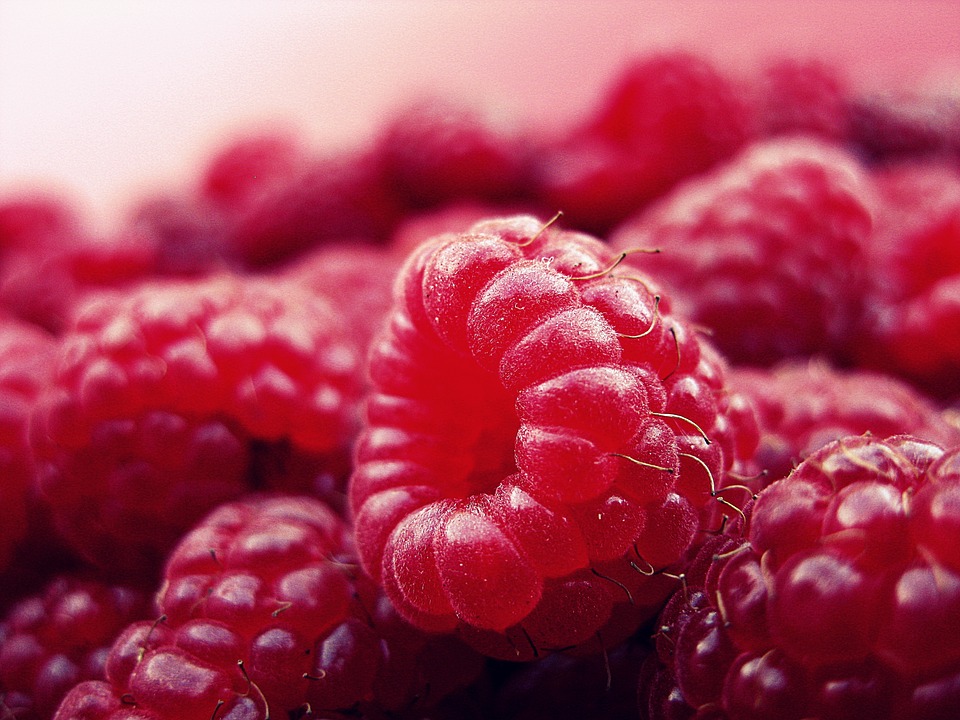
Raspberries (Rubus idaeus) are more than just a flavorful fruit; they are a source of potent phytonutrients with a history of use in traditional wellness practices. Similarly, honey has been valued for centuries for its unique properties. When combined, they create a functional food that offers nutritional benefits, but it’s crucial to understand their effects, applications, and safety limits from an evidence-based perspective.
This article provides a specialist’s overview of the health benefits of raspberries and honey, separating scientific evidence from unsubstantiated claims and outlining clear safety protocols for their use.

The Science Behind Raspberries: Antioxidant and Anti-Inflammatory Power
The primary health benefits of raspberries stem from their rich profile of bioactive compounds. Instead of being a “miracle,” their effects are based on well-understood biochemical mechanisms.
- Anthocyanins: These are the pigments that give raspberries their deep red color. Furthermore, research published in journals like Antioxidants indicates that anthocyanins are powerful antioxidants that help neutralize unstable molecules called free radicals. This action helps protect cells from oxidative stress, a key driver of chronic inflammation and cellular aging.
- Ellagitannins and Ellagic Acid: Raspberries are one of the richest sources of ellagitannins, which the body metabolizes into ellagic acid. Studies suggest these compounds may support cellular health and possess anti-inflammatory properties.
- Vitamin C and Fiber: A single cup of raspberries provides a significant portion of the recommended daily intake of Vitamin C, which is essential for immune function and collagen synthesis. Additionally, their high fiber content supports digestive health and helps regulate blood sugar levels.
Collectively, these compounds may contribute to a reduced risk of certain chronic conditions linked to inflammation and oxidative stress, such as cardiovascular disease. However, it is important to note that consuming raspberries is part of a holistic approach to health, not a standalone cure.
A Safe and Practical Raspberry and Honey Preparation
While some traditional preparations involve long fermentation periods, these can be unsafe without proper controls. A much safer and more practical method is to create a simple raspberry and honey syrup or infusion, which can be used to support the immune system, particularly during cold and flu season.
Simple Raspberry-Honey Immune Support Syrup
This recipe leverages the antimicrobial properties of honey and the antioxidant benefits of raspberries.
Ingredients:
- 1 cup (approx. 125g) fresh or frozen raspberries
- 1/2 cup (approx. 170g) raw, unpasteurized honey
- 1/2 cup (120ml) filtered water
Instructions:
- In a small saucepan, gently heat the raspberries and water over low-medium heat. Simmer for 10-15 minutes, mashing the berries with a spoon to release their juice.
- Remove from heat and strain the mixture through a fine-mesh sieve into a clean glass jar, pressing the pulp to extract all the liquid. Discard the seeds and pulp.
- Allow the raspberry juice to cool until it is lukewarm (not hot, to preserve honey’s enzymes).
- Stir in the raw honey until it is completely dissolved.
- Store the syrup in an airtight jar in the refrigerator for up to two weeks.
Administration Protocol and Safety Limits
For this combination to be used effectively and safely, it’s essential to adhere to clear guidelines.
For Raspberry-Honey Syrup (as a dietary supplement):
- Maximum daily dose for a healthy adult: 2-3 teaspoons (10-15 ml) per day.
- Frequency: Can be taken once daily for general wellness or up to three times daily for short-term immune support (e.g., during a cold).
- Treatment duration: For daily use, consume for no more than 3-4 weeks, followed by a mandatory 1-week break.
- Administration condition: Best taken after a meal to avoid any potential stomach upset. Do not give to children under one year of age due to the honey content.
For Fresh Raspberries (as part of a diet):
- Recommended serving: 1 cup (approx. 125g) per day is a standard serving size.
- Overdose risk: While not toxic, consuming excessive amounts of raspberries can lead to digestive discomfort, bloating, or diarrhea due to their high fiber content.
Specific Biological Limitation
Salicylate Content: Raspberries naturally contain salicylates, the same class of compounds found in aspirin. While this contributes to their anti-inflammatory effects, it poses a risk for individuals with a known allergy or sensitivity to aspirin or other salicylates. Consequently, for these individuals, consuming raspberries could trigger allergic reactions ranging from skin rashes to respiratory distress.
Botulism Spores in Honey: Raw honey can contain spores of the bacterium Clostridium botulinum. While harmless to adults with mature digestive systems, these spores can germinate in an infant’s gut and cause infant botulism, a serious and potentially fatal illness. Therefore, honey is strictly forbidden for children under 12 months of age.
Contraindications and Precautions
It is crucial to be aware of situations where raspberries and honey should be avoided.
Absolute Contraindications:
- Infants under 1 year: Absolutely no honey due to the risk of infant botulism.
- Aspirin/Salicylate Allergy: Individuals with this allergy must avoid raspberries.
- Bee Product Allergy: Those with known allergies to honey, pollen, or bee stings should avoid honey.
Vulnerable Populations:
- Pregnancy and Breastfeeding: While raspberry fruit is generally considered safe, raspberry leaf tea has specific uses for toning the uterus in late pregnancy and should only be used under the guidance of a qualified healthcare provider. Honey is generally safe during pregnancy for the mother but should be consumed in moderation.
- Children: After the age of one, raspberry and honey are generally safe in moderation.
- Diabetes: Honey is a form of sugar and will impact blood glucose levels. Individuals with diabetes must account for it in their diet plan and monitor their levels carefully.
Potential Drug Interactions:
- Anticoagulants (Blood Thinners): Due to their salicylate content, high intake of raspberries could theoretically enhance the effect of medications like warfarin. While the risk from dietary amounts is low, it is a point for consideration and discussion with a doctor.
Therapeutic Alternatives
If raspberries or honey are not suitable for you, other botanicals offer similar benefits.
- Blueberries (Vaccinium myrtillus): An excellent alternative for antioxidant support. Blueberries are rich in a different class of anthocyanins and have been extensively studied for their benefits on cognitive function and cardiovascular health. They do not contain significant levels of salicylates.
- Elderberry (Sambucus nigra): For immune support, elderberry syrup is a well-researched alternative. Studies have shown it can help reduce the duration and severity of cold and flu symptoms. It is a more targeted immunomodulatory option compared to a general raspberry-honey syrup.
- Aronia Berries (Aronia melanocarpa): Also known as chokeberries, these contain one of the highest concentrations of antioxidants among all fruits. They offer potent anti-inflammatory benefits and are a suitable alternative for those seeking maximum antioxidant capacity.
Recent Medical Research (2020-2026)
Modern science continues to explore the benefits of raspberries. Recent studies have focused on their broader metabolic effects.
- A 2022 study published in the journal Food & Function investigated the effects of red raspberry consumption on the gut microbiome. The findings suggested that the polyphenols and fiber in raspberries could positively modulate gut bacteria, which is linked to overall metabolic health.
- Research in the journal Nutrients in 2021 highlighted the potential role of raspberry consumption in improving vascular function and managing blood pressure, attributing these effects to their high anthocyanin content.
Current Limitations: Most research has been conducted in laboratory settings or on small human cohorts. Therefore, larger, long-term clinical trials are still needed to confirm many of these health benefits definitively.
Specialist’s Summary
Raspberries are a nutritionally valuable fruit, primarily useful for their antioxidant and anti-inflammatory effects due to their high content of anthocyanins and ellagitannins. When combined with honey, they can create a supportive syrup for general wellness, but this is not a treatment for any disease. This combination is contraindicated for infants under one, individuals with salicylate allergies, and requires caution for those with diabetes. Validated alternatives for antioxidant and immune support include blueberries and elderberry.
Frequently Asked Questions
1. Can I eat raspberries every day?
Yes, for most healthy adults, consuming a daily serving (about 1 cup) of raspberries is safe and beneficial as part of a balanced diet. However, if you have salicylate sensitivity or digestive issues like IBS, you may need to limit your intake.
2. Is raspberry leaf tea the same as eating the fruit?
No, they are very different. The fruit provides vitamins, fiber, and antioxidants for general health. Raspberry leaf tea is an astringent herb traditionally used to tone the uterine muscles and is primarily used in late pregnancy under medical supervision. It does not have the same nutritional profile as the fruit.
3. Who should absolutely not consume honey?
Infants under 12 months of age must never be given honey (raw or pasteurized) due to the life-threatening risk of infant botulism. Individuals with a known allergy to bees or honey should also avoid it completely.
4. Is the raspberry and honey combination safe for children?
Yes, for children over the age of one year, this combination is generally safe in moderation. The primary risk is the honey, which is why the one-year age limit is a strict rule. Always introduce new foods carefully and watch for any signs of allergy.
Sources and References
- Burton-Freeman, B. M., Sandhu, A. K., & Edirisinghe, I. (2021). Red Raspberries and Their Bioactive Polyphenols: Cardiometabolic and Neuronal Health Links. Nutrients.
- Routray, W., & Orsat, V. (2022). Bioactive Compounds in Berries: Significance and Bioavailability. Food & Function.
- European Medicines Agency (EMA). Community herbal monograph on Rubus idaeus L., folium.
⚠️ Important Medical Information
This article is for educational and informational purposes only and is not intended as medical advice, diagnosis, or treatment. The information provided about Raspberries and Honey is based on traditional use, preliminary research, and available scientific evidence, which may be limited.
Before using Raspberries and Honey for therapeutic purposes:
- Consult a qualified healthcare provider, especially if you are pregnant, breastfeeding, taking medications, or have existing health conditions like diabetes or salicylate sensitivity.
- Do not use as a substitute for prescribed medications or professional medical treatment.
- Individual results may vary – what works for one person may not work for another.
- Monitor for adverse reactions and discontinue use if negative symptoms occur.