DIY Hibiscus Hair Mask for Hair Shine: A Science-Backed Guide
Environmental factors like pollution, combined with dietary habits and the frequent use of chemical hair products, can compromise hair health, leading to dryness and a lack of lustre. While cosmetic treatments offer temporary solutions, they often do not address the underlying health of the hair shaft and scalp. Consequently, many people seek natural, supportive options. One such traditional remedy is a hair mask made from the hibiscus flower (*Hibiscus rosa-sinensis*), a plant long valued in Ayurvedic and other traditional medicine systems for its hair-conditioning properties.
This article provides an evidence-based guide on how to prepare and safely use a hibiscus hair mask, grounded in both traditional knowledge and modern scientific understanding.
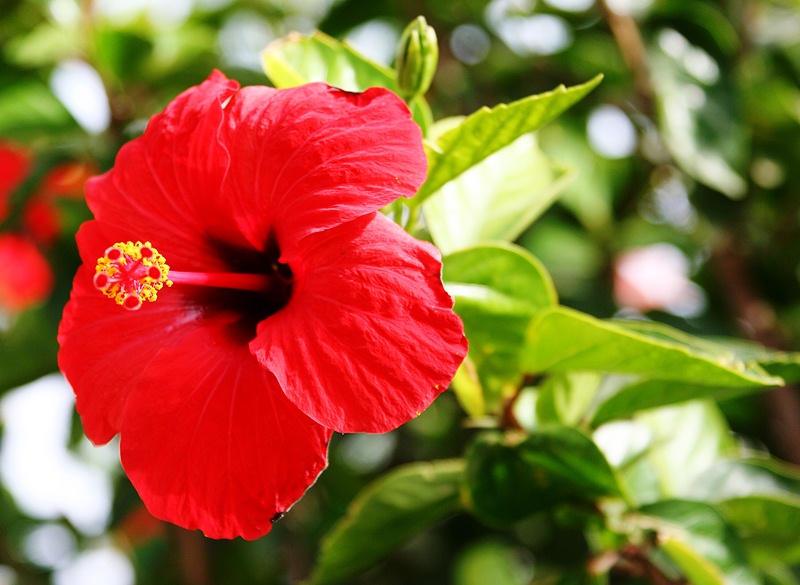
The Science Behind Hibiscus for Hair Care
The traditional use of hibiscus for hair is supported by its phytochemical composition. While claims of it being a miracle cure are unsubstantiated, its components may offer tangible benefits for hair texture and scalp health.
- Mucilage Content: Hibiscus flowers and leaves contain a high amount of mucilage, a gel-like substance. This natural conditioner helps to coat the hair shaft, providing slip that aids in detangling and imparts a smoother, shinier appearance.
- Antioxidant Properties: According to a 2022 review published in the journal Molecules, hibiscus is rich in flavonoids and anthocyanins. These antioxidants may help protect the scalp and hair follicles from oxidative stress caused by free radicals, which can contribute to hair aging.
- Amino Acids: Hibiscus contains amino acids that are precursors to keratin, the primary protein that constitutes hair. While topical application is not a substitute for dietary protein, it may help fortify the hair’s external structure.
- Hair Growth Potential: Preliminary research, including early animal studies, suggests that hibiscus extracts may stimulate hair follicles and promote growth. However, it is important to note that these findings are not yet confirmed by large-scale human clinical trials, and hibiscus should not be considered a treatment for hair loss conditions like alopecia.
Validated Recipe: Hibiscus and Yogurt Conditioning Mask
This recipe combines the conditioning properties of hibiscus with the lactic acid in yogurt, which acts as a gentle exfoliant for the scalp, helping to clear away dead skin cells and product buildup.
Ingredients:
- 8-10 fresh hibiscus flowers (*Hibiscus rosa-sinensis*)
- 4 tablespoons of plain, unsweetened yogurt
- 1 tablespoon of raw honey (optional, for added moisture)
- 2-3 drops of rosemary essential oil (optional, for scalp stimulation)
Instructions:
- Preparation: First, thoroughly wash the hibiscus flowers under cool running water. Carefully remove the green calyx (the base of the flower) and the central stalk (pistil).
- Blending: Place the clean petals into a blender. Add the yogurt and blend until you achieve a completely smooth, uniform paste. Scrape down the sides as needed to ensure no lumps remain.
- Mixing: Transfer the paste to a non-metallic bowl. If using, stir in the honey and rosemary essential oil until fully incorporated.
How to Apply the Hair Mask Safely
- Perform a Patch Test: Before applying the mask to your entire scalp, you must perform a patch test. Apply a small amount of the paste to a discreet area of skin, such as behind your ear or on your inner elbow. Wait 24 hours to check for any signs of irritation, redness, or itching. Do not proceed if a reaction occurs.
- Application: Start with clean, towel-dried hair that is still slightly damp. Using your fingers or a hair dye brush, apply the mask evenly, starting at the scalp and working your way down to the tips. Ensure every strand is coated.
- Waiting Period: Gently massage the mask into your scalp for a minute to improve circulation. Afterwards, cover your hair with a shower cap to trap heat and prevent the mask from drying out. Leave it on for 30-45 minutes.
- Rinsing: Rinse the mask out thoroughly with lukewarm water. You may need to rinse for several minutes to remove all residue. Follow with a gentle, sulfate-free shampoo. It is generally not necessary to use a conditioner afterwards.
Administration Protocol and Safety Limits
Frequency and Duration
- Treatment Frequency: For general conditioning, use this hair mask once a week. Overuse is not beneficial and may lead to scalp buildup.
- Usage Condition: This preparation is for external cosmetic use only. It must never be ingested.
Safety Precautions
- Staining Risk: The natural pigments in red hibiscus flowers (anthocyanins) can impart a temporary reddish or pinkish tint to very light, bleached, or gray hair. If this is a concern, perform a strand test before full application.
- Freshness: Prepare the mask immediately before use. Do not store leftovers, as the natural ingredients can spoil quickly and harbor bacteria.
Specific Biological Limitation
Allergenic Potential: Hibiscus belongs to the Malvaceae (mallow) family, which also includes plants like okra, cotton, and marshmallow root. Individuals with a known allergy to any plant in this family have a higher risk of an allergic reaction to topical hibiscus. The primary risk is contact dermatitis, an inflammatory skin reaction characterized by redness, itching, and rash. Therefore, a patch test is non-negotiable.
Contraindications and Precautions
Absolute Contraindications
- Known Allergy: Do not use if you have a known allergy to hibiscus, yogurt, honey, rosemary, or any plant in the Malvaceae family.
- Broken or Inflamed Skin: Avoid applying the mask to a scalp with open sores, cuts, or active inflammatory conditions like psoriasis or eczema, as it may cause significant irritation.
Vulnerable Populations
- Pregnancy and Breastfeeding: While topical use is generally considered low-risk, there is insufficient safety data. As a precaution, consult with a healthcare provider before use.
- Children: This mask is not recommended for young children due to their sensitive skin and higher risk of allergic reactions.
Therapeutic Alternatives
If hibiscus is not suitable for you, or if you wish to explore other options for hair conditioning, consider these botanicals with supportive evidence:
- Amla (*Emblica officinalis*): A cornerstone of Ayurvedic hair care, amla powder is rich in tannins and vitamin C. It is traditionally used to strengthen hair follicles and enhance natural shine. It can be made into a paste with water or oil.
- Aloe Vera (*Aloe barbadensis*): The gel from the aloe vera leaf is an excellent humectant and provides significant hydration. Its proteolytic enzymes may also help to gently exfoliate the scalp.
- Green Tea (*Camellia sinensis*) Rinse: A cooled green tea rinse applied after shampooing can help improve hair lustre and reduce shedding, thanks to its high concentration of antioxidants, particularly EGCG (epigallocatechin gallate).
Recent Medical Research (2020-2026)
Modern research continues to investigate the traditional uses of hibiscus. A comprehensive 2022 review in Molecules reaffirmed the plant’s rich antioxidant profile and its historical application in hair care. The review highlighted the presence of compounds that protect against cellular damage, which is relevant for scalp health.
However, the scientific community acknowledges significant limitations. Most studies on hair growth have been conducted on animal models or *in vitro*. There is a clear need for robust, double-blind, placebo-controlled human trials to definitively establish the efficacy of hibiscus for treating hair loss or significantly altering hair growth cycles. Therefore, current evidence supports its use primarily as a cosmetic conditioning agent rather than a medical treatment.
Specialist’s Summary
A hibiscus hair mask is a useful natural option for improving hair shine and texture, primarily due to its high mucilage content. Its benefits are cosmetic and supportive, with preliminary research suggesting potential for scalp health via antioxidant action. However, it is contraindicated for individuals with Malvaceae allergies or irritated scalp conditions. Always perform a patch test, and be aware of its potential to stain very light-colored hair.
Frequently Asked Questions
1. Can a hibiscus mask treat hair loss?
No. While some preliminary animal studies suggest hibiscus may stimulate hair follicles, there is no strong clinical evidence in humans to support its use as a treatment for medical hair loss conditions like androgenetic alopecia. It should be viewed as a conditioning treatment, not a medical remedy.
2. How often can I use this hair mask?
For most hair types, using the hibiscus mask once a week is sufficient to see benefits in texture and shine without causing product buildup on the scalp.
3. Will hibiscus stain my dark hair?
No, the natural pigments in hibiscus are not strong enough to visibly tint dark brown or black hair. The risk of staining is primarily for those with platinum blonde, white, gray, or chemically bleached hair.
4. Is it safe to use a hibiscus mask during pregnancy?
There is not enough reliable safety data on the topical use of hibiscus during pregnancy or breastfeeding. Although the risk from a topical rinse-off product is likely low, it is always best to consult your healthcare provider before introducing new herbal products during this time.
Sources and References
- Ali, B., et al. (2022). “A Comprehensive Review on the Cosmeceutical and Therapeutic Potential of Hibiscus rosa-sinensis L.” Molecules, 27(19), 6355. https://doi.org/10.3390/molecules27196355
- Adhirajan, N., et al. (2003). “In vivo and in vitro evaluation of hair growth potential of Hibiscus rosa-sinensis Linn.” Journal of Ethnopharmacology, 88(2-3), 235-239. https://doi.org/10.1016/s0378-8741(03)00231-9
⚠️ Important Medical Information
This article is for educational and informational purposes only and is not intended as medical advice, diagnosis, or treatment. The information provided about Hibiscus is based on traditional use, preliminary research, and available scientific evidence, which may be limited.
Before using Hibiscus:
- Consult a qualified healthcare provider or dermatologist, especially if you are pregnant, breastfeeding, taking medications, or have existing health conditions like scalp psoriasis or eczema.
- Do not use as a substitute for prescribed medications or professional medical treatment for hair loss.
- Individual results may vary – what works for one person may not work for another.
- Always perform a patch test to rule out allergic reactions and discontinue use immediately if negative symptoms occur.




Great ideas thank you.