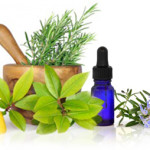
This guide provides an evidence-informed recipe for a homemade oregano and eucalyptus ointment. Traditionally used as a topical chest rub, this preparation leverages the aromatic compounds of these two potent botanicals. However, it is crucial to understand its proper application and significant safety limitations. This information is for educational purposes and should not replace professional medical advice.

Evidence-Based Recipe for a Topical Herbal Rub
This recipe creates a warming ointment intended for external use to help soothe symptoms associated with respiratory congestion and minor muscle aches. Precision and adherence to safety steps are essential.
Ingredients
- Carrier Oil: 1 cup (approx. 240 ml) of high-quality, cold-pressed olive oil or fractionated coconut oil.
- Dried Herb: ¼ cup of dried Oregano (*Origanum vulgare*). Ensure it is culinary grade and free from contaminants.
- Beeswax: ¼ cup (approx. 28 g) of cosmetic-grade beeswax pellets or grated beeswax. This acts as the solidifying agent.
- Essential Oil: 10-15 drops of Eucalyptus essential oil (*Eucalyptus radiata* is preferred for topical use over *E. globulus* as it is generally considered gentler).
Preparation Steps
- Infusion: First, combine the dried oregano and the carrier oil in a double boiler or a heatproof glass jar placed in a saucepan with a few inches of water. Gently heat the mixture over low heat for 1-2 hours. Importantly, do not allow the oil to boil, as this can degrade the plant’s delicate compounds. The goal is a gentle infusion.
- Straining: After infusing, carefully strain the oil through a fine-mesh sieve or cheesecloth into a clean, dry bowl. Squeeze the cloth to extract as much of the infused oil as possible. Discard the used herb.
- Melting the Beeswax: Return the infused oil to the clean double boiler. Add the beeswax pellets. Gently heat the mixture, stirring continuously until the beeswax has completely melted and is fully incorporated into the oil.
- Adding Essential Oil: Remove the mixture from the heat. Let it cool for a few minutes until it is warm but not scalding hot. Subsequently, add the eucalyptus essential oil and stir well to ensure it is evenly distributed. Adding the essential oil while the mixture is too hot can cause it to evaporate quickly.
- Storage: Immediately pour the liquid ointment into clean, dry glass jars or tins. Allow it to cool completely at room temperature, during which it will solidify. Seal the containers tightly and store them in a cool, dark place. The ointment should last for up to one year.
Mechanism of Action and Validated Uses
The therapeutic potential of this ointment comes from the key active compounds in oregano and eucalyptus.
- Oregano (*Origanum vulgare*): Its primary constituents, carvacrol and thymol, have demonstrated significant antimicrobial and anti-inflammatory properties in laboratory studies. According to research published in the journal Molecules, these phenols can disrupt bacterial cell membranes. When applied topically, they may help create an inhospitable environment for surface microbes and provide a gentle warming sensation.
- Eucalyptus (*Eucalyptus radiata/globulus*): The main component, 1,8-cineole (eucalyptol), is recognized for its use in respiratory care. When applied to the chest, the vapors are inhaled, which may help loosen phlegm and ease the sensation of congestion. Furthermore, it acts as a rubefacient, increasing blood flow to the area and creating a feeling of warmth that can soothe minor muscle aches.
This ointment is traditionally used for the symptomatic relief of:
- Chest and nasal congestion associated with the common cold or flu.
- Minor muscular aches and stiffness.
Note: This preparation does not treat or cure the underlying infection but may help manage discomfort.
Administration Protocol and Safety Limits
Patch Test is Mandatory
Before the first use, you must perform a patch test. Apply a small amount of the ointment to a patch of skin on your inner arm. Wait 24 hours to check for any signs of irritation, redness, or allergic reaction. Discontinue use immediately if any reaction occurs.
Application and Dosage
- Usage: For external use ONLY.
- Frequency: Apply a thin layer to the chest, back, or soles of the feet up to 3 times per day for adults.
- Duration: Limit use to a maximum of 7 consecutive days. If symptoms persist or worsen, consult a healthcare provider.
- Maximum Dose: Do not apply over large areas of the body to avoid excessive systemic absorption. A pea-sized amount is sufficient for the chest area.
Specific Biological Limitation
The primary limitation of this ointment lies in its high concentration of volatile compounds like carvacrol, thymol, and 1,8-cineole. These substances are potent and can act as significant skin irritants. For individuals with pre-existing skin conditions such as eczema, psoriasis, or dermatitis, these compounds can trigger inflammation and exacerbate the condition. Therefore, its use is restricted to intact, healthy skin.
Contraindications and Precautions
⚠️ **WARNING – High Risk for Children!**
Never apply this ointment to the face, nostrils, or chest of children under 10 years old. The potent vapors of eucalyptus, particularly 1,8-cineole, can cause laryngeal spasms, respiratory distress, and central nervous system depression in young children.
Absolute Contraindications
- Children under 10: Due to the risks associated with eucalyptus oil.
- Pregnancy and Breastfeeding: The safety of topically applied oregano and eucalyptus has not been established. Avoid use.
- Allergies: Do not use if you have a known allergy to oregano, eucalyptus, or any plants in the Lamiaceae (mint) or Myrtaceae families.
- Broken or Sensitive Skin: Never apply to wounds, rashes, burns, or irritated skin.
- Asthma: The strong vapors may trigger bronchospasms in sensitive individuals.
Documented Adverse Effects
- Common: Skin redness, a warming or burning sensation, and mild irritation.
- Severe (Rare): Allergic contact dermatitis, blistering, or respiratory distress if used improperly on children.
When to stop immediately: Discontinue use if you experience severe skin irritation, blistering, or difficulty breathing.
Therapeutic Alternatives
If this ointment is not suitable for you, consider these validated alternatives for topical respiratory support:
| Alternative | Mechanism and Use |
|---|---|
| Thyme (*Thymus vulgaris*) Ointment | Contains thymol, similar to oregano, and is traditionally used as a chest rub for coughs and bronchitis. It is often considered slightly gentler than oregano. |
| Peppermint (*Mentha x piperita*) Infused Oil | The active compound, menthol, provides a cooling sensation that can help ease the perception of nasal congestion and soothe headaches when applied to the temples. |
| Pharmacological Option | Over-the-counter vapor rubs containing camphor, menthol, and eucalyptus oil are widely available and have a long history of use for symptomatic relief. Always follow package directions. |
Recent Medical Research (2020-2026)
Recent research continues to explore the properties of the key compounds found in oregano and eucalyptus.
- A 2022 review in the journal Antibiotics highlighted the potent *in vitro* antibacterial and antifungal activity of carvacrol, the main component of oregano oil, against a wide range of pathogens. However, clinical trials on its topical application for skin infections remain limited.
- Research published in the International Journal of Molecular Sciences in 2023 explored the anti-inflammatory mechanisms of 1,8-cineole (eucalyptol). The study suggests it may help modulate inflammatory pathways, which supports its traditional use for inflammatory respiratory conditions, though more human studies are needed.
Current Limitations: While laboratory evidence is strong, high-quality clinical trials confirming the efficacy and safety of this specific homemade ointment for respiratory conditions are lacking. Most evidence relies on traditional use and studies of isolated compounds.
Specialist’s Summary
This homemade Oregano and Eucalyptus ointment is a traditional remedy for the symptomatic relief of chest congestion and minor muscle aches in healthy adults. Its effects are attributed to the warming and aromatic properties of carvacrol and 1,8-cineole. However, it is strictly contraindicated for children under 10, pregnant women, and individuals with sensitive skin or asthma due to significant safety risks. Validated alternatives include thyme or peppermint preparations.
Frequently Asked Questions
Can I use this oregano and eucalyptus ointment on my child?
No. This ointment is not safe for children under 10 years old. The potent vapors from eucalyptus oil can cause severe respiratory distress and other serious side effects in young children. Always consult a pediatrician for child-safe remedies.
Will this ointment cure my cold or flu?
No. This ointment does not cure any illness. It is intended only to provide temporary, symptomatic relief from feelings of congestion and minor aches. Colds and the flu are caused by viruses and must run their course.
Can I apply the ointment to my face or inside my nose?
Absolutely not. The compounds in this ointment are far too strong for the delicate mucous membranes in your nose and the sensitive skin on your face. Applying it in these areas can cause severe irritation, burning, and potential harm.
Sources and References
- Sharifi-Rad, M., et al. (2022). Carvacrol and Human Health: A Comprehensive Review. Antibiotics.
- Seol, G. H., & Kim, K. Y. (2023). Eucalyptol and Its Role in Chronic Diseases. International Journal of Molecular Sciences.
- European Medicines Agency (EMA). (2016). Community herbal monograph on Eucalyptus globulus Labill., folium.
**⚠️ Important Medical Information**
This article is for **educational and informational purposes only** and is not intended as medical advice, diagnosis, or treatment. The information provided about Oregano and Eucalyptus Ointment is based on traditional use, preliminary research, and available scientific evidence, which may be limited.
**Before using this ointment:**
– **Consult a qualified healthcare provider**, especially if you are pregnant, breastfeeding, taking medications, or have existing health conditions like asthma or sensitive skin.
– **Do not use as a substitute** for prescribed medications or professional medical treatment.
– **Individual results may vary** – what works for one person may not work for another.
– **Monitor for adverse reactions** and discontinue use if negative symptoms occur.
**Regulatory status:** The ingredients in this recipe are generally available as foods or supplements and have not been evaluated by the FDA for treating, curing, or preventing any disease.