Using Olive Oil & Tea for Skin Rashes: A Safe Guide

by Andreea Smiterson
0 comments
A+A-
Reset

Mild skin rashes, often caused by contact with allergens or irritants, can lead to significant itching and discomfort. While many cases require medical evaluation, certain evidence-based phytotherapeutic remedies may offer symptomatic relief for minor, unbroken skin irritation. Specifically, topical applications of high-quality olive oil and cool tea compresses have a history of traditional use supported by modern scientific understanding of their anti-inflammatory and soothing properties.

However, it is crucial to approach these remedies with proper knowledge of their mechanisms, applications, and safety limitations. This guide provides an evidence-based overview for the safe use of olive oil and tea for managing mild skin rashes.

Olive Oil and Tea Bags for Rashes

The Role of Olive Oil in Soothing Skin Irritation

Extra virgin olive oil (EVOO) is more than a culinary staple; it is a source of potent bioactive compounds beneficial for skin health. Its therapeutic effects are primarily attributed to its unique chemical composition.

Mechanism of Action

  • Anti-inflammatory Properties: EVOO contains a phenolic compound called oleocanthal. Research published in the Journal of Agricultural and Food Chemistry indicates that oleocanthal exhibits anti-inflammatory activity similar to ibuprofen, which may help reduce the redness and swelling associated with rashes.
  • Moisturizing and Barrier Support: Olive oil is rich in oleic acid, squalene, and vitamin E. These components act as emollients, helping to hydrate the skin and restore its natural barrier function. A compromised skin barrier is often a key factor in conditions like contact dermatitis and eczema.

How to Use Olive Oil Topically

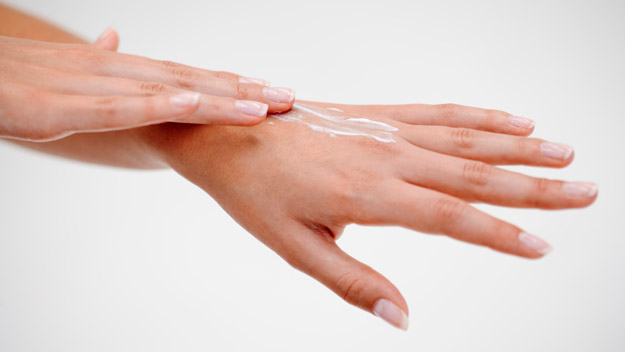
For skin applications, always choose high-quality, cold-pressed extra virgin olive oil to ensure maximum potency of its bioactive compounds. Apply a very thin layer to the clean, dry, affected area. Gently massage it into the skin until absorbed.

Using Tea Compresses for Astringent and Calming Effects

Cool compresses made from certain types of tea can provide immediate relief from itching and help calm inflamed skin. The benefits depend on the type of tea used.

Mechanism of Action

  • Green and Black Tea (Camellia sinensis): These teas are rich in tannins and polyphenols, such as epigallocatechin gallate (EGCG). Tannins have an astringent effect, which can help dry weeping rashes and tighten irritated skin. Furthermore, studies suggest that EGCG possesses significant anti-inflammatory and antioxidant properties that can protect skin cells from damage.
  • Chamomile Tea (Matricaria recutita): Traditionally used for calming irritated skin, chamomile contains active compounds like bisabolol and chamazulene. According to the European Medicines Agency (EMA) monograph on the plant, these constituents have demonstrated anti-inflammatory and skin-soothing effects.

How to Prepare and Apply a Tea Compress

  1. Steep 1-2 tea bags (green, black, or chamomile) in a cup of hot water for 10-15 minutes.
  2. Remove the tea bags and allow the liquid to cool completely in the refrigerator for at least 30 minutes.
  3. Soak a clean cloth or sterile gauze in the cold tea.
  4. Wring out the excess liquid and apply the compress to the rash for 10-15 minutes.
  5. Repeat this process 2-4 times per day as needed for symptomatic relief.

Administration Protocol and Safety Limits

Proper application is key to achieving benefits while minimizing risks. Always perform a patch test on a small, unaffected area of skin 24 hours before applying any new remedy to a widespread rash.

Remedy Application Protocol Safety Limits
Extra Virgin Olive Oil Apply a thin layer to clean, dry, and intact skin. Use only on mild, non-weeping rashes. Frequency: 1-2 times per day.
Duration: Discontinue use if the rash worsens or does not improve within 7 days. Not for long-term continuous use on compromised skin without medical guidance.
Cool Tea Compress Apply a cold, damp cloth soaked in brewed tea to the affected area. Do not rub the skin. Frequency: Up to 4 times per day.
Duration: Apply for 10-15 minutes per session. Stop if irritation increases.

Specific Biological Limitation

For Mild, Unbroken Skin Irritation Only: The remedies discussed are intended for symptomatic relief of minor rashes, such as mild contact dermatitis or heat rash, where the skin barrier is intact. Olive oil, being occlusive, can trap bacteria and heat if applied to broken, infected, or weeping skin, potentially worsening the condition. Similarly, tea compresses should not be used on open wounds. These methods are not suitable for treating severe allergic reactions, hives, fungal infections (like ringworm), or bacterial infections (like impetigo), which require a specific medical diagnosis and treatment.

Contraindications and Precautions

Even natural remedies have potential risks and contraindications that must be respected.

Absolute Contraindications

  • Known Allergies: Do not use these remedies if you have a known allergy to olives, plants in the Asteraceae family (for chamomile), or any components of tea.
  • Broken or Infected Skin: Applying these remedies to open wounds or infected areas is strictly contraindicated as it can impede healing and worsen infection.
  • Fungal Rashes: Occlusive oils like olive oil can create a moist environment that may encourage fungal growth.

When to Stop Immediately

Discontinue use and consult a healthcare provider if you experience any of the following:

  • The rash worsens, spreads, or becomes more painful.
  • Signs of infection appear, such as pus, yellow crusts, or increased swelling.
  • You develop signs of an allergic reaction, such as hives or difficulty breathing.

Therapeutic Alternatives

If olive oil or tea are not suitable or effective, several other well-validated phytotherapeutic options exist for soothing skin rashes.

  1. Calendula (Calendula officinalis): Available as an ointment or cream, calendula is recognized by the WHO and Commission E for its potent anti-inflammatory and wound-healing properties. It is particularly effective for reducing inflammation and promoting tissue repair in minor skin irritations and is generally considered very gentle.
  2. Colloidal Oatmeal (Avena sativa): An FDA-approved skin protectant, colloidal oatmeal baths are a classic remedy for widespread itching and rashes like eczema or chickenpox. Its avenanthramides are powerful anti-inflammatory and anti-itch compounds that soothe irritated skin.
  3. Aloe Vera (Aloe barbadensis miller): The pure gel from the aloe leaf contains polysaccharides that hydrate the skin and glycoproteins that may help reduce inflammation and pain. It is crucial to use a 100% pure gel, as many commercial products contain alcohol or other additives that can cause irritation.

Recent Medical Research (2020-2026)

Modern science continues to investigate the dermatological benefits of these traditional remedies.

  • A 2021 review in the journal Antioxidants highlighted the protective effects of olive oil polyphenols against oxidative stress-induced skin damage, reinforcing its role in maintaining skin health.
  • Research published in Molecules in 2022 explored the potent anti-inflammatory and photoprotective effects of green tea catechins (EGCG) when applied topically, suggesting their utility in managing inflammatory skin conditions.

Current Limitations: While promising, most research has been conducted in vitro or on specific dermatitis models. More large-scale human clinical trials are needed to establish standardized dosages and confirm efficacy for a wider range of rash types.

Specialist’s Summary

Topical extra virgin olive oil and cool tea compresses are useful for providing symptomatic relief for mild, non-infected skin rashes due to their anti-inflammatory and soothing properties. These effects typically appear shortly after application but are not a cure. They are contraindicated for use on broken or infected skin and should be used with caution. Validated alternatives with stronger evidence include Calendula ointment and colloidal oatmeal baths.

Frequently Asked Questions

Can I use regular cooking olive oil for my rash?
It is best to use high-quality, cold-pressed extra virgin olive oil. It contains the highest concentration of anti-inflammatory compounds like oleocanthal, whereas refined oils like “light” or “pure” olive oil have lost most of these beneficial components during processing.

How long does it take for a tea compress to relieve itching?
The cooling and astringent effects of a tea compress can provide immediate, albeit temporary, relief from itching. For a sustained anti-inflammatory effect, consistent application over 2-3 days may be necessary.

Are these remedies safe for babies with diaper rash?
While olive oil is traditionally used, caution is advised. The occlusive nature can sometimes worsen diaper rash by trapping moisture and irritants. A better, evidence-based choice would be a zinc oxide cream or calendula ointment. Always consult a pediatrician before using any remedy on an infant.

Sources and References

  • Lucas, L., et al. (2021). A Systematic Review of the Effect of Oleocanthal and Other Polyphenols from Olive Oil on Inflammatory Processes. Antioxidants.
  • Kim, S., et al. (2022). The Beneficial Effects of Green Tea Catechins on Skin Health. Molecules.
  • Beauchamp, G. K., et al. (2005). Phytochemistry: ibuprofen-like activity in extra-virgin olive oil. Nature.
  • European Medicines Agency (EMA). (2018). European Union herbal monograph on Matricaria recutita L., flos.
  • World Health Organization (WHO). (2002). WHO Monographs on Selected Medicinal Plants, Vol. 2 – Flos Calendulae.
⚠️ Important Medical Information

This article is for educational and informational purposes only and is not intended as medical advice, diagnosis, or treatment. The information provided about Olive Oil and Tea is based on traditional use, preliminary research, and available scientific evidence, which may be limited.

Before using these remedies:

  • Consult a qualified healthcare provider, especially if you are pregnant, breastfeeding, taking medications, or have existing health conditions. A proper diagnosis is essential to ensure you are treating the rash correctly.
  • Do not use as a substitute for prescribed medications or professional medical treatment.
  • Individual results may vary – what works for one person may not work for another.
  • Monitor for adverse reactions and discontinue use if negative symptoms occur.

Regulatory status: These remedies are considered traditional/homeopathic and have not been evaluated by the FDA for treating, curing, or preventing any disease.


You may also like

Leave a Comment