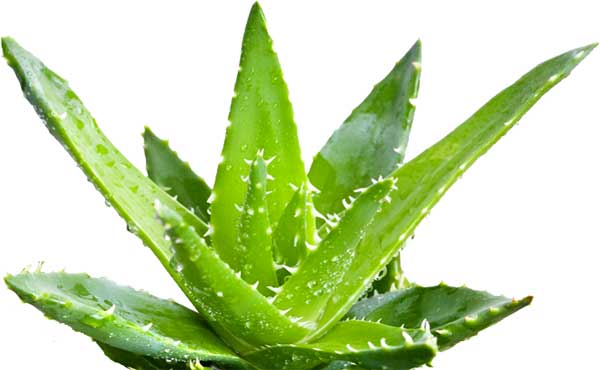
Aloe vera is a succulent plant known for its ability to retain water, giving its leaves a gel-like consistency. For thousands of years, cultures worldwide have used this gel topically to address various skin conditions. Indeed, its hydrating and soothing properties make it a popular ingredient in modern skincare. In phytotherapy, pure aloe vera gel is recognized for its potential role in managing symptoms associated with minor skin irritations, such as mild psoriasis, eczema, and the discomfort of hemorrhoids.

⚠️ **WARNING – Distinguish Between Aloe Gel and Latex!**
It is crucial to understand the difference between the two main substances derived from the aloe leaf. The clear, inner gel is primarily composed of water, polysaccharides, vitamins, and minerals and is generally safe for topical use. However, the outer leaf contains a yellow, bitter liquid called latex, which contains anthraquinones like aloin. Aloin is a potent laxative and can cause significant skin irritation or allergic reactions in sensitive individuals. Therefore, only pure, inner leaf gel should be used topically.
Topical Preparation for Soothing Relief
While traditional recipes often used animal fats like lard, modern preparations can utilize more stable and hypoallergenic bases. For safety and consistency, using a commercially prepared, 100% pure aloe vera gel is often the most reliable option. However, for those wishing to create a simple home preparation, the following recipe uses a skin-friendly base.
Ingredients and Preparation
- Aloe Vera Gel: 50 grams (approximately 1/4 cup) of pure, inner leaf gel, carefully extracted from a fresh leaf, ensuring no yellow latex is included.
- Carrier Base: 150 grams (approximately 3/4 cup) of organic, cold-pressed coconut oil or shea butter.
Instructions
- Gently warm the coconut oil or shea butter in a double boiler until it becomes liquid. Do not overheat it.
- Remove the base from the heat and allow it to cool slightly.
- Add the pure aloe vera gel to the liquid base and whisk thoroughly until the mixture is smooth and emulsified.
- Pour the mixture into a sterilized, airtight glass jar and store it in the refrigerator. It should solidify as it cools.
Important: This preparation is preservative-free and should be used within 1-2 weeks to prevent bacterial growth.
Administration Protocol and Safety Limits
Application Duration
- Treatment duration: Apply for up to 7-10 consecutive days for minor irritations.
- Mandatory break: If symptoms persist, discontinue use and consult a healthcare professional. Do not use continuously for extended periods without medical advice.
Dosage and Frequency
- Amount per application: Apply a thin layer of the gel or ointment to the affected area.
- Frequency: Use 2-3 times per day, preferably after cleansing the area.
- Patch Test: Before the first application, apply a small amount to the inner forearm to test for any allergic reaction. Wait 24 hours to ensure no redness or irritation occurs.
Administration Conditions
- Method: Always apply to clean, dry skin. For hemorrhoids, gently apply to the external perianal area.
- Incompatibilities: Do not apply to deep, open, or infected wounds, as this can trap bacteria and impede proper healing.
- Additional requirements: For conditions like genital infections or herpes, aloe vera may provide symptomatic relief from itching or burning but does not treat the underlying infection. It is not a substitute for prescribed antiviral or antifungal medication.
Specific Biological Limitation
The primary limitation of using whole aloe leaf is the presence of aloin in the latex. Aloin is a potent anthraquinone glycoside that functions as a stimulant laxative when ingested and can be a significant skin irritant when applied topically. The biological mechanism involves irritation of the skin or intestinal mucosa. Consequently, improper preparation that contaminates the inner gel with this yellow latex can transform a soothing remedy into a harmful one, potentially causing contact dermatitis or worsening existing inflammation.
Contraindications and Precautions
Absolute Contraindications
- Known Allergy: Individuals with a known allergy to Aloe vera or other plants in the Liliaceae family (e.g., garlic, onions, tulips) should avoid its use.
- Deep or Infected Wounds: Do not apply to severe burns, deep cuts, or wounds that show signs of infection (e.g., pus, increased redness, swelling) without direct medical supervision.
Vulnerable Populations
- Pregnancy and Breastfeeding: While topical use is generally considered safe, it is best to consult a healthcare provider before use, especially on large areas of skin. Internal use is strictly contraindicated.
- Children: Use with caution in children. Always perform a patch test first and consult a pediatrician for persistent skin issues.
Documented Adverse Effects
- Common: Mild stinging, burning, or itching upon application.
- Rare: Allergic contact dermatitis, characterized by a rash, redness, and worsening irritation.
When to Stop Immediately
Discontinue use and seek medical advice if you experience a severe rash, hives, difficulty breathing, or if the condition worsens after application.
Therapeutic Alternatives
If Aloe vera is not suitable or effective for your condition, other validated options are available.
Botanical Alternatives with Studies
- Witch Hazel (Hamamelis virginiana): Its extracts contain tannins, which have astringent properties that can help shrink hemorrhoidal tissue and reduce itching and inflammation. It is widely available in pads and ointments.
- Calendula (Calendula officinalis): Known for its potent anti-inflammatory and wound-healing properties, calendula cream is an excellent alternative for general skin irritations, rashes, and minor burns.
Pharmacological Options
- For hemorrhoids, over-the-counter preparations containing hydrocortisone, lidocaine, or phenylephrine can provide effective relief. For genital infections, prescription antifungal or antiviral medications are necessary. Always consult a physician or pharmacist for a proper diagnosis and treatment plan.
*Note: Each alternative has its own specific profile of uses and contraindications.
Recent Medical Research (2020-2026)
Recent scientific inquiry continues to validate the traditional topical uses of Aloe vera while clarifying its mechanisms.
- A 2022 review on wound healing highlighted that polysaccharides in aloe gel, such as acemannan, stimulate macrophage activity and fibroblast proliferation, thereby accelerating tissue repair and modulating inflammation.
- Research published in 2021 confirmed the efficacy of aloe vera in managing radiation-induced dermatitis, showing its ability to reduce skin severity scores and improve patient comfort due to its moisturizing and anti-inflammatory effects.
Current Limitations: While evidence for soothing minor skin irritations and burns is strong, high-quality clinical trials for its effectiveness on hemorrhoids are still limited. Furthermore, its role in managing viral skin conditions like herpes is purely symptomatic; it does not affect viral shedding or recurrence rates.
Specialist’s Summary
Aloe vera gel is a useful and generally safe topical agent for soothing minor skin irritations, sunburns, and the discomfort associated with external hemorrhoids. Its benefits are primarily due to its anti-inflammatory and moisturizing properties, which can provide relief within a few applications. However, it is contraindicated for individuals with allergies to the Liliaceae family and should never be applied to deep or infected wounds. Remember to use only the pure inner gel, avoiding the irritating outer leaf latex.
Frequently Asked Questions
Can Aloe vera cure genital infections or herpes?
No. Aloe vera cannot cure bacterial, fungal, or viral infections. For conditions like genital herpes or yeast infections, it may offer temporary relief from symptoms like itching and burning, but it is not a substitute for essential medical treatment with prescribed antiviral or antifungal medications.
Is it safe to use a raw Aloe vera leaf directly on the skin?
It is safe only if you use the clear, inner gel and completely avoid the yellow latex found just beneath the outer skin. Always wash the leaf, carefully slice it open, and scoop out only the transparent gel. A patch test is highly recommended before applying it to sensitive areas.
What are the main active compounds in Aloe vera gel?
The primary active compounds are polysaccharides, most notably acemannan, which helps modulate immune function and promote cellular repair. The gel also contains glycoproteins, which can reduce pain and inflammation, as well as vitamins, enzymes, and minerals that support skin health.
Sources and References
Recent Studies (2020-2026)
- Hekmatpou, D., et al. (2019). The Effect of Aloe Vera Clinical Trials on Prevention and Healing of Skin Wound: A Systematic Review. Iranian Journal of Medical Sciences.
- López-Cervantes, M., et al. (2022). Aloe Vera in the Treatment of Cutaneous Wounds: A Review. Molecules.
Official Monographs
- WHO Monographs on Selected Medicinal Plants – Volume 1: Aloe Vera Gel
- National Center for Complementary and Integrative Health (NCCIH) – Aloe Vera