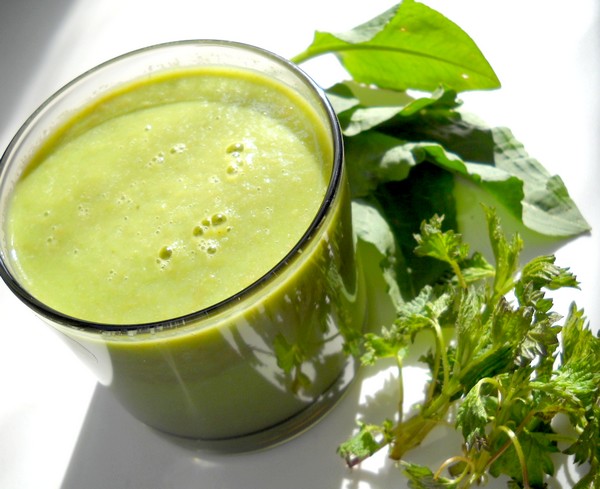
Stinging Nettle (*Urtica dioica*) has been a cornerstone of traditional European herbalism for centuries, historically used as a spring tonic to cleanse the blood and restore vitality after winter. Modern research is now exploring its potential benefits for conditions like iron-deficiency anemia, seasonal allergies, and general fatigue. Consequently, understanding its properties, applications, and safety protocols is essential for its effective use.
This guide provides an evidence-based overview of nettle, a traditional recipe for preparing a syrup, and critical safety information to ensure responsible use.

How Nettle May Support Anemia and Fatigue
Iron-deficiency anemia often leads to persistent fatigue, as the body struggles to produce enough hemoglobin to transport oxygen effectively. Nettle offers a multi-faceted approach to addressing this.
Firstly, it contains a notable amount of non-heme iron. While plant-based iron is typically less bioavailable than iron from animal sources, nettle also provides a significant amount of Vitamin C. According to research published in the *Journal of Food Science and Technology*, Vitamin C dramatically enhances the absorption of non-heme iron in the gut.
Furthermore, nettle is exceptionally rich in chlorophyll, a compound structurally similar to human hemoglobin. Traditional herbal medicine posits that chlorophyll-rich plants act as “blood builders,” supporting overall hematopoietic (blood-forming) functions. Additionally, its dense profile of minerals like potassium and silicon contributes to its reputation as a nutritive tonic, helping combat the general weakness associated with anemia.
Nettle’s Potential Role in Seasonal Allergies
Emerging evidence suggests that nettle may help modulate the body’s response to allergens. Its mechanism is thought to involve the inhibition of histamine production and release from mast cells. A study from the National University of Natural Medicine observed that freeze-dried nettle leaf extract could inhibit several key inflammatory pathways associated with seasonal allergies. Specifically, it appears to act as an antagonist at the histamine-1 (H1) receptor and inhibit the enzymes that create pro-inflammatory prostaglandins.
However, it is important to note that while these preliminary findings are promising, more robust clinical trials are needed to establish nettle as a primary treatment for allergies.
Traditional Nettle Syrup Recipe
This recipe is a traditional preparation. The high sugar content acts as a natural preservative, but it should be consumed in moderation. For a lower-glycemic option, you can reduce the sugar, but the syrup will have a shorter shelf life and must be refrigerated.
Ingredients
- 30–40 fresh young nettle tips (the top 4-6 leaves of the plant)
- 3 liters of cold, filtered water
- 5–6 organic lemons or oranges
- 1 kg brown sugar (or 500g honey for a different flavor and consistency)
Preparation Steps
- Harvesting and Cleaning: If harvesting fresh nettle, wear gloves and choose plants from an area free of pollution and pesticides. Wash the nettle tips thoroughly. Similarly, wash the citrus fruits well to remove any residue.
- Infusion: Roughly chop the nettle leaves and slice the lemons or oranges. Place them in a large, non-reactive pot (stainless steel or glass) and cover with the 3 liters of cold water.
- Soaking: Cover the pot with a lid and let the mixture infuse at room temperature for 24 hours.
- Straining and Sweetening: The next day, stir the mixture well and strain it through a fine-mesh sieve or cheesecloth, pressing the solids to extract all the liquid. Discard the plant material. Pour the liquid back into the clean pot, add the sugar or honey, and stir.
- Dissolving: If using sugar, stir periodically until it is completely dissolved, which may take several hours. If using honey, stir until it is well incorporated. Do not heat the mixture, as this can degrade some of the beneficial compounds.
- Storage: Pour the finished syrup into sterilized glass bottles. Store in the refrigerator, where it will keep for several weeks.
Administration Protocol and Safety Limits
To ensure both safety and efficacy, it is crucial to follow a structured protocol.
Treatment Duration
- Treatment Cycle: Use the nettle syrup daily for a maximum of 3-4 weeks.
- Mandatory Break: Follow each cycle with a mandatory break of at least 1-2 weeks. This prevents potential mineral imbalances from its diuretic effect.
- Maximum Treatments: Limit use to 3-4 cycles per year.
Quantity and Maximum Dose
- Standard Dose: 1 tablespoon (15 ml) diluted in a small glass of water, taken 1-2 times per day.
- Maximum Daily Dose: Do not exceed 3 tablespoons (45 ml) per day for a healthy adult.
- Overdose Risk: Exceeding the recommended dose does not increase benefits and may lead to stomach upset or electrolyte imbalances due to its diuretic properties.
Administration Conditions
- Timing: Best taken in the morning or early afternoon. Avoid taking it late at night to prevent sleep disruption from its diuretic effect.
- Hydration: Ensure adequate water intake throughout the day to support kidney function while using nettle.
–Consumption: Always dilute the syrup in water or a small amount of juice.
Specific Biological Limitation
Nettle’s most significant biological action is its diuretic effect, which increases urine output. This is driven by its high potassium content and other compounds that influence kidney function. While this can be beneficial for flushing metabolic waste, it poses a risk for certain individuals. For people with compromised kidney function or electrolyte imbalances, this diuretic action can overwhelm the kidneys and disrupt the delicate balance of sodium and potassium, potentially worsening their condition.
Contraindications and Precautions
Absolute Contraindications
- Severe Kidney Disease: Individuals with chronic kidney disease or renal failure should avoid nettle due to its potent diuretic effect.
- Congestive Heart Failure: The potential for fluid and electrolyte shifts makes it unsuitable for those with severe heart conditions.
- Known Allergy: Do not use if you have a known allergy to nettle or other plants in the Urticaceae family.
Vulnerable Populations
- Pregnancy: Nettle is traditionally avoided during pregnancy as it may have uterine-stimulating properties.
- Breastfeeding: Insufficient safety data exists; consult a healthcare provider before use.
- Children: Use in children should only be done under the guidance of a qualified healthcare professional who can adjust the dosage appropriately.
Major Drug Interactions
| Drug Class | Interaction and Consequence |
|---|---|
| Anticoagulants (e.g., Warfarin) | Nettle contains Vitamin K, which can interfere with the effectiveness of blood-thinning medications, potentially increasing clotting risk. |
| Antihypertensives (Blood Pressure Meds) | Nettle may lower blood pressure. Combining it with antihypertensive drugs could cause hypotension (blood pressure dropping too low). |
| Diuretics (Water Pills) | Its strong diuretic effect can amplify the action of prescribed diuretics, increasing the risk of dehydration and electrolyte imbalance. |
| Diabetes Medications | Nettle may lower blood sugar levels. Combining it with diabetes medication could lead to hypoglycemia (dangerously low blood sugar). |
| Lithium | By increasing urination, nettle can affect how the body excretes lithium, potentially leading to toxic levels of the drug. |
Therapeutic Alternatives
If nettle is not suitable for you, other options may be considered after consulting with a healthcare provider.
Botanical Alternatives
- For Anemia Support: Yellow Dock (*Rumex crispus*) – This root is a classic Western herbal remedy for poor iron absorption. It contains iron and anthraquinone compounds that are thought to improve mineral assimilation from the diet.
- For Allergy Support: Butterbur (*Petasites hybridus*) – Clinical trials have shown that specific PA-free extracts of butterbur are as effective as some antihistamine medications for hay fever, with less drowsiness. It is crucial to use only certified pyrrolizidine alkaloid (PA)-free products to avoid liver toxicity.
- For General Nutrition: Moringa (*Moringa oleifera*) – Known as the “drumstick tree,” its leaves are exceptionally rich in iron, vitamin C, vitamin A, and protein, making it an excellent nutritive tonic for combating fatigue.
Recent Medical Research (2020-2026)
Recent studies continue to validate nettle’s traditional uses while uncovering new mechanisms.
A 2023 review published in the journal *Molecules* highlighted the potent anti-inflammatory and antioxidant properties of *Urtica dioica*, attributing these effects to its rich content of flavonoids, phenolic acids, and carotenoids. This supports its use in inflammatory conditions beyond allergies. Furthermore, research is increasingly focused on its potential role in metabolic health, with some animal studies suggesting benefits for blood sugar control and lipid profiles.
However, a significant limitation remains the lack of large-scale, long-term human clinical trials for many of its purported benefits, including anemia and allergies. The current scientific verdict is that nettle shows strong potential as a supportive agent, but it is not a substitute for conventional medical treatment.
Specialist’s Summary
Stinging Nettle (*Urtica dioica*) is a valuable nutritive herb, primarily useful for supporting iron levels in mild anemia and potentially modulating seasonal allergy symptoms. Its effects, which are generally mild to moderate, typically appear after 2-3 weeks of consistent use. However, it is strictly contraindicated in individuals with severe kidney or heart conditions and has significant interactions with blood thinners, diuretics, and diabetes medications. Validated alternatives include Yellow Dock for iron support and PA-free Butterbur for allergies.
Frequently Asked Questions
How long does it take for nettle syrup to help with anemia?
For mild, diet-related iron deficiency, you may begin to notice an improvement in energy levels after 3-4 weeks of consistent use alongside an iron-rich diet. However, nettle is a supportive measure, not a cure. Severe anemia requires medical diagnosis and treatment.
Can I use nettle syrup for my child’s allergies?
You should not give nettle syrup or any herbal remedy to a child without first consulting a pediatrician or a qualified healthcare provider. They can determine the cause of the allergies and recommend a safe, age-appropriate dosage and treatment plan.
Is it safe to drink nettle tea or syrup every day indefinitely?
No, it is not recommended. Due to its potent diuretic effect and mineral content, continuous long-term use can potentially lead to electrolyte imbalances. It is best used in cycles of 3-4 weeks on, followed by a 1-2 week break.
Sources and References
- Bhusal, K. K., et al. (2022). Nutritional and Pharmacological Importance of Stinging Nettle (*Urtica dioica* L.): A Review. *Heliyon*, 8(6), e09717. https://www.ncbi.nlm.nih.gov/pmc/articles/PMC9213652/
- Samakar, B., et al. (2023). A Review of the Chemical and Biological Properties of *Urtica dioica*. *Molecules*, 28(5), 2339. https://www.ncbi.nlm.nih.gov/pmc/articles/PMC9979969/
- European Medicines Agency (EMA). (2012). Community herbal monograph on *Urtica dioica* L., *Urtica urens* L., folium. EMA/HMPC/508013/2010
**⚠️ Important Medical Information**
This article is for **educational and informational purposes only** and is not intended as medical advice, diagnosis, or treatment. The information provided about Stinging Nettle (*Urtica dioica*) is based on traditional use, preliminary research, and available scientific evidence, which may be limited.
**Before using Stinging Nettle:**
– **Consult a qualified healthcare provider**, especially if you are pregnant, breastfeeding, taking medications, or have existing health conditions like kidney disease or heart problems.
– **Do not use as a substitute** for prescribed medications or professional medical treatment for anemia, allergies, or any other condition.
– **Individual results may vary** – what works for one person may not work for another.
– **Monitor for adverse reactions** and discontinue use if negative symptoms occur.
**Regulatory status:** Stinging Nettle is considered a dietary supplement/traditional remedy and has not been evaluated by the FDA for treating, curing, or preventing any disease.