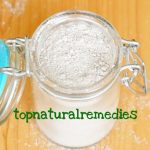
DIY Olive Oil and Sugar Hand Scrub: A Natural Recipe for Soft Skin

Learn the science behind this simple scrub, how to use it safely, and expert-backed alternatives for sensitive skin.

by Andreea Smiterson
0 comments
A+A-
Reset

Maintaining soft, healthy hands often involves managing dry, rough skin. One of the most effective methods for this is regular exfoliation, which helps remove the outer layer of dead skin cells (keratinocytes) to reveal smoother skin underneath. Furthermore, this process can improve the absorption of moisturizers. While many commercial products exist, a simple, home-prepared scrub using sugar and olive oil offers a natural alternative rooted in basic dermatological principles.

This article provides an evidence-based guide to creating and using a sugar and olive oil scrub, emphasizing safety protocols, contraindications, and scientifically validated alternatives. This information is for educational purposes and should not replace professional dermatological advice.

Natural Scrub for Soft Hands

The Science Behind the Ingredients

This scrub’s efficacy comes from the distinct properties of its two components:

  • Sugar (Sucrose): Sugar crystals act as a mechanical exfoliant. When gently rubbed on the skin, their crystalline structure physically sloughs off dead cells from the stratum corneum, the outermost layer of the epidermis. Additionally, sugar is a natural source of glycolic acid, an alpha-hydroxy acid (AHA) that promotes cell turnover, although its concentration in a physical scrub is minimal.
  • Extra Virgin Olive Oil (Olea europaea): Olive oil serves as an emollient and occlusive agent. According to research published in the International Journal of Molecular Sciences, oleic acid, the primary fatty acid in olive oil, helps to soften and hydrate the skin. Moreover, its occlusive properties create a protective barrier that reduces transepidermal water loss (TEWL), locking in moisture. It also contains antioxidants like vitamin E and polyphenols, which may help protect the skin from oxidative stress.

Evidence-Based Recipe for a Hand Scrub

This recipe is designed for the relatively resilient skin on the hands. For this reason, it is crucial to follow the safety protocols outlined below, especially concerning frequency and application pressure.

Ingredients:

  • 1-2 tablespoons of fine white or brown sugar: Finer grains are less abrasive and safer for the skin.
  • 1-2 tablespoons of extra virgin olive oil: This ensures a high concentration of beneficial compounds.

Instructions:

  1. Preparation: Stand over a sink to contain any mess. Pour the sugar into the palm of one hand.
  2. Mixing: Add an equal amount of olive oil directly onto the sugar. Rub your palms together to form a thick, grainy paste.
  3. Application: Gently massage the mixture over both hands using slow, circular motions. Focus on areas prone to roughness, such as the knuckles and cuticles, but avoid excessive pressure. Continue for approximately 30-60 seconds.
  4. Rinsing: Rinse your hands thoroughly with lukewarm water. Do not use hot water, as it can strip the skin of its natural oils.
  5. Aftercare: Pat your hands dry with a soft towel, leaving them slightly damp. Immediately apply a high-quality, fragrance-free moisturizing cream to seal in the hydration.

Administration Protocol and Safety Limits

To prevent skin damage, it is essential to adhere to a strict usage protocol.

Frequency of Use

Limit the use of this scrub to 1-2 times per week maximum. Daily exfoliation can disrupt the skin’s protective barrier, leading to irritation, dryness, and increased sensitivity.

Application Pressure and Duration

Always use gentle, circular motions. Vigorous scrubbing can create micro-tears in the skin, increasing the risk of irritation and infection. The entire process should not exceed 60 seconds.

Patch Testing

Before your first full application, perform a patch test. Apply a small amount of the scrub to a discreet area of skin, such as the inner wrist. Wait 24 hours to ensure no signs of redness, itching, or irritation occur.

Specific Biological Limitation

The primary limitation of this scrub is its mechanism of action. As a mechanical exfoliant, the sugar crystals physically abrade the skin’s surface. While this is effective for healthy, thickened skin on the hands, it becomes a significant risk for compromised skin. Consequently, this abrasive action can damage the delicate stratum corneum if the skin is already inflamed, thin, or has impaired barrier function due to conditions like eczema or open wounds.

Contraindications and Precautions

This remedy is not suitable for everyone. Adhering to these contraindications is critical for skin safety.

Absolute Contraindications (Do NOT Use)

  • Broken Skin: Never apply to cuts, cracks, open wounds, or abrasions.
  • Active Skin Conditions: Avoid use on areas with active eczema, psoriasis, dermatitis, or rosacea, as it will exacerbate inflammation.
  • Skin Infections: Do not use on skin with bacterial (e.g., impetigo) or fungal infections.
  • Sunburn: Applying a scrub to sunburned skin can cause significant pain and further damage.

Important Precautions

  • Facial Skin: It is not recommended to use this specific recipe on the face. Facial skin is much thinner and more sensitive. The sugar crystals can be too harsh and may cause micro-tears.
  • Post-Shaving: CRITICAL WARNING: Never use this scrub immediately after shaving. Shaving is a form of exfoliation itself, and freshly shaved skin is highly susceptible to irritation and infection from abrasive particles.
  • Sensitive Skin: Individuals with generally sensitive skin should opt for a gentler alternative.

Therapeutic Alternatives

If a sugar scrub is too harsh for your skin type, several evidence-based alternatives offer gentler exfoliation and additional benefits.

Alternative Mechanism and Benefits
Ground Oatmeal (Avena sativa) Provides very gentle mechanical exfoliation. Oatmeal contains avenanthramides, compounds noted in dermatological research for their anti-inflammatory and anti-irritant properties, making it ideal for sensitive or inflamed skin.
Coffee Grounds Offer a moderate level of exfoliation. Coffee is rich in antioxidants and caffeine, which studies suggest may have temporary skin-tightening effects and protective benefits against photoaging. Best reserved for less sensitive body skin.
Jojoba Oil (Simmondsia chinensis) As an alternative to olive oil, jojoba oil is a liquid wax ester structurally similar to human sebum. This makes it exceptionally well-tolerated and non-comedogenic, providing excellent moisturization without a greasy feel.

Specialist’s Summary

A homemade sugar and olive oil scrub is a simple and effective mechanical exfoliant for maintaining soft skin on healthy hands, provided it is used no more than twice a week with gentle pressure. However, it is strictly contraindicated for broken, inflamed, or sensitive skin due to the risk of causing micro-abrasions and irritation. For those with delicate skin, gentler alternatives like ground oatmeal scrubs combined with jojoba oil are therapeutically superior and safer options.

Frequently Asked Questions

1. How often can I safely use a sugar scrub on my hands?

For most people with healthy skin, using a sugar scrub 1-2 times per week is sufficient and safe. Over-exfoliating can strip the skin’s natural protective barrier, leading to dryness and irritation.

2. Is this scrub suitable for dry, cracked hands?

No. You should never use an abrasive scrub on cracked or broken skin. The sugar particles can worsen the cracks and introduce bacteria, increasing the risk of infection. Instead, focus on healing the skin with occlusive ointments and consult a healthcare provider.

3. Can I use salt instead of sugar in this recipe?

While you can, salt crystals are typically sharper and more abrasive than sugar. A salt scrub is generally too harsh for hands and is better suited for tougher skin, such as on the feet. Fine-grain sugar is a safer choice for hand care.

4. Is this scrub safe to use during pregnancy?

Topical application of sugar and olive oil is generally considered safe during pregnancy, as the ingredients are not systemically absorbed. However, it is always best to consult with your healthcare provider before introducing any new product or remedy into your routine during pregnancy.

Sources and References

Recent studies and dermatological principles support the components of this remedy:

  1. Lin, T. K., Zhong, L., & Santiago, J. L. (2017). Anti-Inflammatory and Skin Barrier Repair Effects of Topical Application of Some Plant Oils. International journal of molecular sciences, 19(1), 70. https://doi.org/10.3390/ijms19010070
  2. Rodan, K., Fields, K., Majewski, G., & Falla, T. (2016). Skincare Bootcamp: The Evolving Role of Skincare. Plastic and Reconstructive Surgery – Global Open, 4(12S), e1152. https://doi.org/10.1097/GOX.0000000000001152 (Discusses principles of exfoliation).
  3. Reynertson, K. A., Garay, M., Nebus, J., Chon, S., Kaur, S., Mahmood, K., … & Southall, M. D. (2015). Anti-inflammatory activities of colloidal oatmeal (Avena sativa) contribute to the effectiveness of oats in treatment of itch associated with dry, irritated skin. Journal of drugs in dermatology: JDD, 14(1), 43–48.

⚠️ Important Medical Information

This article is for educational and informational purposes only and is not intended as medical advice, diagnosis, or treatment. The information provided about this natural scrub is based on general cosmetology principles and available scientific evidence, which may be limited.

Before using this scrub:

  • Consult a qualified healthcare provider or dermatologist, especially if you have existing health conditions like eczema, psoriasis, or allergies.
  • Do not use as a substitute for prescribed medications or professional medical treatment for skin conditions.
  • Individual results may vary – what works for one person may not work for another.
  • Monitor for adverse reactions and discontinue use immediately if negative symptoms such as redness, rash, or pain occur.


You may also like

Leave a Comment