Herbal Relief for Bunion Pain: Evidence-Based Topical Remedies

by Andreea Smiterson
0 comments
A+A-
Reset

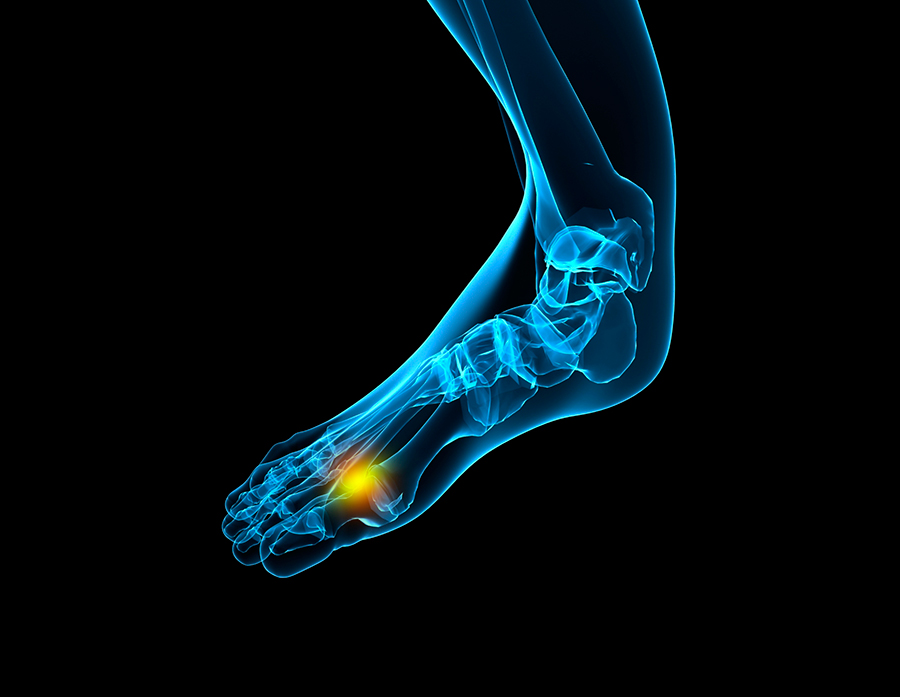
A bunion, known medically as hallux valgus, is a structural deformity of the foot where a bony bump forms at the base of the big toe. This condition can cause significant pain, inflammation, and discomfort, especially when walking or wearing shoes. While natural remedies cannot correct the underlying bone structure, certain phytotherapeutic approaches may help manage the associated symptoms of pain and swelling.

It is crucial to understand that bunions are not caused by “salt deposits,” as some folk traditions suggest. Therefore, remedies aimed at “dissolving” such deposits are ineffective. Instead, an evidence-based approach focuses on using topical herbal preparations with scientifically recognized anti-inflammatory and analgesic properties.

remove bunions naturally

Topical Herbal Applications for Symptom Management

For localized pain and inflammation associated with bunions, topical applications are often the most direct and effective phytotherapeutic strategy. Furthermore, they carry a lower risk of systemic side effects compared to oral remedies. The following herbs are supported by both traditional use and modern clinical observations for musculoskeletal discomfort.

1. Arnica (Arnica montana) Gel or Cream

Arnica is a well-established herbal remedy for managing pain, swelling, and bruising. Its primary active compounds, sesquiterpene lactones like helenalin, are believed to work by inhibiting pro-inflammatory pathways in the body.

  • Mechanism of Action: Research published in journals like Planta Medica suggests that arnica’s compounds can reduce the production of inflammatory cytokines, thereby helping to decrease pain and swelling when applied topically.
  • Traditional Use: Historically, European folk medicine has used arnica poultices and tinctures for sprains, muscle soreness, and joint pain.
  • Application: Gently massage a pea-sized amount of arnica gel or cream onto the affected joint 2-3 times per day. Importantly, never apply it to broken or irritated skin.

2. Comfrey (Symphytum officinale) Ointment – PA-Free Only

Comfrey, also known as “knitbone,” has a long history of use for promoting the healing of musculoskeletal injuries. Its effectiveness is attributed to compounds like allantoin and rosmarinic acid.

⚠️ CRITICAL SAFETY WARNING: Standard comfrey contains pyrrolizidine alkaloids (PAs), which are toxic to the liver if ingested and can be absorbed through the skin in large amounts. Only use commercially prepared topical products explicitly labeled as “PA-free.”

  • Mechanism of Action: Allantoin is known to support cell proliferation, while rosmarinic acid provides potent anti-inflammatory and analgesic effects. Clinical trials have demonstrated that PA-free comfrey extracts are effective for pain relief in conditions like osteoarthritis and back pain.
  • Application: Apply a thin layer of PA-free comfrey ointment to the bunion area up to three times daily.

3. Capsaicin (Cayenne Pepper) Cream

Capsaicin is the active component in chili peppers (Capsicum species) and is a powerful, well-researched topical analgesic.

  • Mechanism of Action: Capsaicin works by depleting “Substance P,” a neurotransmitter that sends pain signals to the brain. Upon initial application, it may cause a temporary burning sensation, but with consistent use, this effect diminishes as the nerve endings become desensitized to pain.
  • Application: Use a low-concentration cream (0.025% to 0.075%) and apply a small amount to the bunion with a glove or cotton swab to avoid contact with eyes or other sensitive areas. Wash hands thoroughly after application.

Administration Protocol and Safety Limits

When using topical herbal remedies for bunion pain, adherence to a structured protocol is essential for safety and effectiveness.

Protocol Aspect Guideline
Treatment Duration Use continuously for a maximum of 2-3 weeks.
Mandatory Break Take a 7-day break between treatment cycles to prevent skin sensitization and assess symptoms.
Maximum Daily Dose Apply a thin layer to the affected area no more than 3-4 times in 24 hours.
Administration Condition Always apply to clean, dry, and intact skin. Do not apply to open wounds, cuts, or irritated skin.

Specific Biological Limitation

Capsaicin’s Neurological Effect: The primary limitation of capsaicin cream is its mechanism of action. It initially activates pain receptors, causing a sensation of heat or burning. This effect is normal and necessary for its analgesic action but can be intolerable for individuals with very sensitive skin or neuropathic conditions. Therefore, a patch test on a small area is highly recommended before wider application.

Contraindications and Precautions

Before using any herbal remedy, it is vital to be aware of potential risks and interactions.

  • Absolute Contraindications: Do not use these remedies if you have a known allergy to the plant or its family. For instance, individuals allergic to ragweed, daisies, or marigolds (Asteraceae family) may react to Arnica.
  • Vulnerable Populations:
    • Pregnancy and Breastfeeding: Safety has not been established. Avoid use unless specifically approved by a healthcare provider.
    • Children: Consult a pediatrician before using any topical herbal products on children.
  • Drug Interactions: While topical application reduces the risk, individuals on anticoagulant medications (e.g., warfarin) should exercise caution, as some herbal compounds could theoretically increase bleeding risk if absorbed systemically.
  • When to Stop Immediately: Discontinue use if you experience a severe skin rash, blistering, hives, or worsening of pain.

Therapeutic Alternatives

If the aforementioned herbs are unsuitable or ineffective, other options are available for managing inflammation and pain.

  • Botanical Alternatives:
    1. Devil’s Claw (Harpagophytum procumbens): Often taken orally, this herb has significant evidence supporting its use for osteoarthritic pain and may help reduce systemic inflammation contributing to joint discomfort.
    2. Turmeric (Curcuma longa): The active compound, curcumin, is a powerful systemic anti-inflammatory. Oral supplements may help manage the inflammatory component of bunion pain.
  • Pharmacological Options: Conventional treatments include over-the-counter topical or oral nonsteroidal anti-inflammatory drugs (NSAIDs) like ibuprofen or diclofenac. In more severe cases, a physician may recommend corticosteroid injections.

Note: Each alternative has its own distinct set of contraindications and should be discussed with a healthcare professional.

Recent Medical Research (2020-2026)

Recent scientific inquiry continues to validate the use of topical phytotherapy for musculoskeletal pain.

  • A 2021 meta-analysis published in the journal Pain and Therapy reaffirmed the efficacy of PA-free topical comfrey preparations for pain reduction in osteoarthritis and ankle distortions, showing it to be superior to placebo.
  • Research in the Journal of Clinical Pharmacy and Therapeutics (2022) continues to explore the mechanisms of topical capsaicin, highlighting its role in managing localized neuropathic and musculoskeletal pain.

Current Limitations: While evidence for symptom relief is strong, it must be reiterated that no study has shown that these remedies can reverse the structural deformity of a bunion. Research is ongoing to determine optimal dosages and long-term safety profiles.

Specialist’s Summary

Topical herbal remedies like Arnica, PA-free Comfrey, and Capsaicin are useful for managing the localized pain and inflammation of bunions. These moderate-level interventions offer symptomatic relief, typically noticeable within a few days of consistent use. However, they are contraindicated for individuals with specific allergies or on broken skin and cannot correct the underlying bone issue. Validated alternatives include systemic anti-inflammatories like Devil’s Claw or conventional NSAIDs.

Frequently Asked Questions

Can herbal remedies cure my bunion?
No. A bunion is a structural bone deformity. Herbal remedies cannot reverse or “cure” it. They are used exclusively to manage symptoms like pain, swelling, and inflammation, which can improve your quality of life.

How long does it take for topical remedies to work for bunion pain?
Temporary relief from pain and inflammation can often be felt within a few hours to a few days of consistent application, depending on the remedy and the severity of your symptoms. Capsaicin may require 1-2 weeks of regular use to achieve its full pain-desensitizing effect.

Is it safe to use these remedies every day?
It is generally safe for short-term daily use as outlined in the administration protocol. However, continuous, long-term use is not recommended. Following a cycle of 2-3 weeks of use followed by a one-week break helps prevent skin irritation and allows you to assess the ongoing need for treatment.

Sources and References

  • Grube, B., Grünwald, J., Krug, L., & Staiger, C. (2007). Efficacy of a comfrey root (Symphyti offic. radix) extract ointment in the treatment of patients with painful osteoarthritis of the knee: results of a multicentre, randomised, double-blind, placebo-controlled trial. Phytomedicine.
  • Cameron, M., & Chrubasik, S. (2014). Topical herbal therapies for treating osteoarthritis. Cochrane Database of Systematic Reviews.
  • Derry, S., Rice, A. S., Cole, P., Tan, T., & Moore, R. A. (2017). Topical capsaicin (high concentration) for chronic neuropathic pain in adults. Cochrane Database of Systematic Reviews.

⚠️ Important Medical Information

This article is for educational and informational purposes only and is not intended as medical advice, diagnosis, or treatment. The information provided about topical herbal remedies is based on traditional use, preliminary research, and available scientific evidence, which may be limited.

Before using Arnica, Comfrey, or Capsaicin:

  • Consult a qualified healthcare provider, especially if you are pregnant, breastfeeding, taking medications, or have existing health conditions like diabetes or circulatory problems.
  • Do not use as a substitute for prescribed medications or professional medical treatment for bunions, which may include physical therapy, orthotics, or surgery.
  • Individual results may vary – what works for one person may not work for another.
  • Monitor for adverse reactions and discontinue use if negative symptoms like a severe rash or increased pain occur.

Regulatory status: These herbal products are typically considered dietary supplements or cosmetic products and have not been evaluated by the FDA for treating, curing, or preventing any disease.


You may also like

Leave a Comment