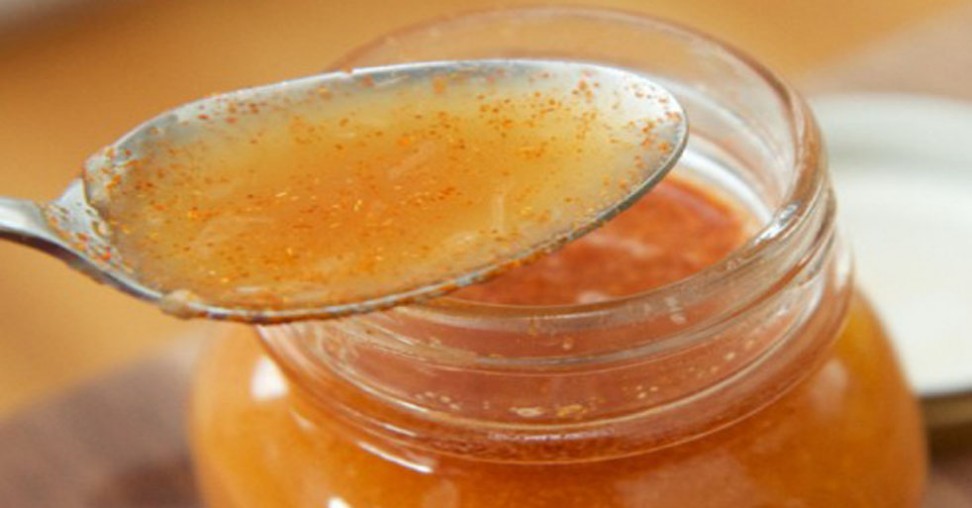
Fire Cider Tonic: A Traditional Recipe for Immune Support

by Andreea Smiterson
0 comments
A+A-
Reset

Traditional herbal preparations have been utilized for centuries to support general wellness. One such formulation, often known as a “fire cider” or master tonic, combines several potent ingredients steeped in apple cider vinegar. This tonic leverages the synergistic properties of its components to provide immune and circulatory support.

However, it is crucial to understand that this preparation is a supportive wellness tonic, not a medical treatment. It does not replace prescribed antibiotics and should never be used to self-treat a confirmed bacterial or serious infection. This guide provides a balanced, evidence-based perspective on its preparation, safe use, and limitations.

⚠️ CRITICAL WARNING: This Tonic Does Not Replace Medical Antibiotics!

Using this or any herbal preparation to self-treat a confirmed bacterial infection can lead to severe health complications, including organ damage or sepsis. This tonic’s role is strictly supportive for general wellness or as a complementary measure during minor seasonal ailments like the common cold, always with the approval of a healthcare professional. If you suspect you have an infection, seek immediate medical diagnosis and treatment.

The Traditional Immune-Supportive Tonic Recipe

This recipe combines fresh ingredients known for their anti-inflammatory, antimicrobial, and circulatory-stimulating properties. The effectiveness of the final product depends significantly on the quality of the raw materials used.

Ingredients for a traditional immune tonic

Ingredients

    • 700 ml (approx. 24 oz) raw, unpasteurized organic apple cider vinegar (with “the mother”)
    • ¼ cup freshly grated horseradish root
    • ¼ cup finely chopped garlic
    • ¼ cup finely chopped white onion
    • ¼ cup freshly grated ginger root
    • 2 fresh, hot peppers (e.g., Habanero or Cayenne), finely chopped (wear gloves)
    • 2 tablespoons grated turmeric root (or 1 tablespoon turmeric powder)

Preparation Method

    • Combine Ingredients: In a 1-liter (approx. 1-quart) glass mason jar, combine all the chopped and grated ingredients: horseradish, garlic, onion, ginger, hot peppers, and turmeric.
    • Add Vinegar: Pour the apple cider vinegar over the ingredients until the jar is completely full. Ensure all solid materials are submerged. The ideal ratio is approximately two-thirds solid ingredients to one-third vinegar by volume before shaking.
    • Seal and Shake: Seal the jar tightly. If using a metal lid, place a piece of parchment paper underneath it to prevent the vinegar from corroding the metal. Shake the jar vigorously to mix all components.
    • Maceration: Store the jar in a cool, dark place for a minimum of 14 days, and up to 4 weeks for a more potent infusion. Shake the jar well once every day.
    • Strain the Tonic: After the maceration period, strain the mixture through a fine-mesh sieve or cheesecloth into a clean glass bottle. Squeeze the solid pulp firmly to extract all the liquid.
    • Storage: The resulting liquid tonic can be stored in the refrigerator for several months. The leftover pulp can be used as a spicy condiment for foods.

Administration Protocol and Safety Limits

Treatment Duration and Cycling

    • Standard Use: For general wellness support, consume daily for up to 3-4 weeks, particularly during cold and flu season.
    • Mandatory Break: Follow each treatment cycle with a mandatory break of at least 1-2 weeks to prevent gastric irritation.
    • Maximum Use: Do not exceed 3-4 cycles per year without consulting a healthcare provider.

Quantity and Maximum Daily Dose

    • Starting Dose: Begin with 1 teaspoon (5 ml) diluted in a small glass of water once daily to assess tolerance.
    • Standard Adult Dose: If well-tolerated, the dose can be increased to 1 tablespoon (15 ml) once or twice per day.
    • Maximum Daily Dose: Do not exceed 2 tablespoons (30 ml) per day for a healthy adult.
    • Overdose Risk: Exceeding the recommended dose significantly increases the risk of severe gastric irritation, heartburn, acid reflux, and potential erosion of tooth enamel.

Administration Conditions

    • Dilution is Mandatory: Always dilute the tonic in water, juice, or tea. Never consume it straight.
    • Timing: Take the tonic after a meal to minimize the risk of stomach upset. Avoid taking it on an empty stomach.
    • Protect Dental Health: Consider drinking the diluted mixture with a straw to minimize contact with tooth enamel, as the high acid content can be damaging over time.

Specific Biological Limitation

Potent Gastrointestinal Irritant

This tonic’s primary biological limitation is its potent irritant effect on the mucous membranes of the digestive tract. The combination of capsaicin (from peppers), gingerols and shogaols (from ginger), allicin (from garlic), and acetic acid (from vinegar) can be highly inflammatory to the stomach lining. While this may stimulate circulation, it poses a significant risk for individuals with pre-existing digestive conditions. Consequently, it is contraindicated for anyone with gastritis, peptic ulcers, GERD (gastroesophageal reflux disease), or other inflammatory bowel conditions.

Mild Anticoagulant and Hypotensive Effects

Several ingredients in this tonic—specifically garlic, ginger, and turmeric—possess mild anticoagulant (blood-thinning) and hypotensive (blood pressure-lowering) properties. These effects result from the inhibition of platelet aggregation and vasodilation. While potentially beneficial for some, this becomes a risk factor when combined with pharmaceutical medications that have the same effects, increasing the potential for bleeding or hypotension.

Contraindications and Precautions

Absolute Contraindications

    • Gastrointestinal Disorders: Strictly forbidden for individuals with peptic ulcers, gastritis, GERD, esophagitis, or inflammatory bowel disease (IBD).
    • Kidney Disease: The high acid load may be problematic for those with compromised kidney function.
    • Allergies: Do not use if you have a known allergy to any of the ingredients.

Vulnerable Populations

    • Pregnancy and Breastfeeding: Contraindicated. The potent compounds can cross the placental barrier or pass into breast milk, and their effects on a developing fetus or infant are unknown.
    • Children: Not recommended for children under the age of 12 due to its high potency and potential for gastric irritation.
    • Pre- and Post-Surgery: Discontinue use at least two weeks before any scheduled surgery due to the risk of increased bleeding.

Major Drug Interactions

    • Anticoagulants and Antiplatelets (e.g., Warfarin, Aspirin, Clopidogrel): The tonic can potentiate the effects of these drugs, significantly increasing the risk of bleeding and bruising.
    • Antidiabetic Medications: Apple cider vinegar, ginger, and garlic can lower blood sugar levels. Combining them with diabetes medication may lead to hypoglycemia. Blood glucose levels must be monitored closely.
    • Antihypertensive Drugs: The hypotensive effects of garlic and ginger may enhance the action of blood pressure medications, potentially causing dizziness or fainting.

How to Choose Quality Ingredients

The therapeutic quality of your tonic is directly linked to the freshness and potency of its ingredients.

Ingredient Quality Criteria
Apple Cider Vinegar Choose raw, organic, unpasteurized, and unfiltered varieties that contain the “mother” (a colony of beneficial bacteria).
Ginger & Turmeric Root Should be firm, plump, and have smooth skin. Avoid roots that are shriveled, soft, or moldy.
Garlic & Onion Select firm bulbs with no soft spots or green sprouts. Organic is preferred to avoid pesticides.
Horseradish Root Look for a firm, blemish-free root. Avoid any pieces that appear dried out or soft.

Recent Medical Research (2020-2026)

While no high-quality clinical trials have been conducted on this specific multi-ingredient tonic, extensive research continues to validate the properties of its individual components.

    • Curcumin (from Turmeric): A 2020 review highlighted curcumin’s potent anti-inflammatory effects through its modulation of signaling molecules like NF-κB, suggesting its utility in managing chronic inflammatory conditions.
    • Allicin (from Garlic): Research, including a 2020 meta-analysis published in Nutrients, continues to support garlic’s role in cardiovascular health and its immunomodulatory effects, which may reduce the severity of common cold symptoms.
    • Gingerols (from Ginger): A 2020 study confirmed ginger’s strong anti-nausea and anti-inflammatory properties, making it a valuable agent for digestive comfort in appropriate populations.

Updated Scientific Verdict: The individual ingredients have strong scientific backing for their anti-inflammatory, antioxidant, and antimicrobial properties in laboratory settings. However, the combined tonic lacks clinical evidence, and its use should be based on traditional application and guided by strict safety protocols.

Therapeutic Alternatives

If this tonic is unsuitable due to its contraindications, consider these validated alternatives for immune support:

    • Botanical Alternatives with Studies:
      1. Echinacea (Echinacea purpurea): Well-studied for its ability to modulate the immune system and potentially reduce the duration and severity of the common cold when taken at the first sign of symptoms.
      2. Elderberry (Sambucus nigra): A standardized elderberry extract has demonstrated antiviral properties, particularly against influenza viruses, helping to shorten the duration of illness.
    • Pharmacological Option: For a confirmed bacterial infection, there is no substitute for antibiotics prescribed by a medical doctor. For viral infections, antiviral medications may be prescribed in specific cases.

Specialist’s Summary

This traditional tonic, often called “fire cider,” is a potent herbal preparation best used as a short-term supportive agent for general immune and circulatory wellness. Its benefits are derived from the well-documented anti-inflammatory and antimicrobial properties of its ingredients. However, it is NOT a substitute for medical antibiotics and is strictly contraindicated for individuals with gastrointestinal issues like ulcers or GERD. Furthermore, it has moderate interactions with anticoagulant and antidiabetic drugs, requiring significant caution.

Quick Guide: Fire Cider Tonic Safety

Category Details
❌ Who should AVOID • Individuals with ulcers, gastritis, or GERD
• Those with kidney disease
• People on blood thinners (e.g., Warfarin)
• Pregnant or breastfeeding women
📊 Maximum safe dose • Adults: 1 tablespoon (15 ml), 1-2 times/day, diluted
• Treatment duration: Max 4 weeks
• Mandatory break: 1-2 weeks between cycles
🚨 ALARM signs • Severe heartburn or stomach pain
• Nausea or vomiting
• Signs of increased bleeding (unusual bruising)
💊 Major interactions • Anticoagulants (Warfarin, Aspirin)
• Antidiabetic medications
• Antihypertensive drugs
⏱️ When to consult a doctor IMMEDIATELY if alarm signs appear OR
If symptoms of an infection persist or worsen.

💡 Golden rule: Always consult a healthcare professional before starting any new herbal supplement, especially if you have underlying health conditions or are taking medication.

Frequently Asked Questions

Can this tonic cure a bacterial infection like strep throat or a UTI?
Absolutely not. This tonic is not an antibiotic and cannot cure a bacterial infection. Attempting to treat a confirmed infection with this remedy instead of prescribed medication is dangerous and can lead to serious health consequences. Always see a doctor for diagnosis and proper treatment.

How long does it take for the fire cider tonic to work?
This tonic should be viewed as a long-term wellness support tool, not a fast-acting medicine. Its effects are cumulative, helping to support the body’s natural defense systems over time. It is not intended to provide immediate relief from symptoms.

Is this tonic safe to take every day?
Continuous daily use is not recommended due to the high potential for gastric irritation. It is best used in cycles, for example, for 3-4 weeks during periods of higher risk (like winter), followed by a 1-2 week break.

What are scientifically-backed alternatives for boosting immunity?
Validated alternatives for immune support include supplements like Vitamin C, Vitamin D, and Zinc. Herbal options with strong evidence include Echinacea (for reducing cold duration) and Elderberry (for influenza symptoms). A balanced diet, regular exercise, and adequate sleep are the most fundamental pillars of a healthy immune system.

Sources and References


You may also like

Leave a Comment