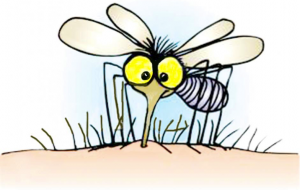
Spending time outdoors offers numerous benefits for mental and physical well-being, from hiking to simply relaxing in a park. However, these activities can sometimes lead to minor skin issues such as insect bites and contact with allergenic plants. While severe reactions always require medical attention, many mild irritations can be managed with carefully prepared topical herbal remedies. This guide provides evidence-based recipes and essential safety protocols for creating effective natural lotions and gels at home.

## Proactive Measures: A Natural Insect Repellent Formulation
The most effective strategy is prevention. While commercial repellents containing DEET or picaridin are highly effective, a properly formulated botanical alternative can offer a degree of protection, particularly against mosquitoes. The efficacy of this repellent relies on volatile compounds in essential oils that interfere with an insect’s ability to locate a host.
### Repellent Recipe with Essential Oils
This recipe is formulated to achieve a safe yet effective 4% essential oil concentration, suitable for short-term adult use.
Ingredients:
- 25 drops Lemon Eucalyptus (Eucalyptus citriodora) essential oil
- 15 drops Citronella (Cymbopogon nardus) essential oil
- 10 drops Lavender (Lavandula angustifolia) essential oil
- 60 ml (4 tablespoons) of a carrier oil (e.g., jojoba, grapeseed, or fractionated coconut oil)
Preparation:
- In a clean glass bottle or jar, combine the carrier oil with all the essential oils.
- Secure the lid and shake vigorously to ensure the oils are thoroughly dispersed.
- Transfer the mixture to a small spray bottle for easier application if desired.
### Administration Protocol and Safety Limits
Application Protocol:
- Patch Test: Before full use, always perform a patch test. Apply a small amount to the inner forearm and wait 24 hours to check for any signs of irritation, such as redness, itching, or rash.
- Frequency: Reapply every 1-2 hours, as essential oils are volatile and evaporate from the skin, reducing their effectiveness over time.
- Method: Apply a thin layer to exposed skin, avoiding the eyes, mouth, and any broken or irritated areas. Do not spray directly onto the face; instead, spray onto your hands and then apply carefully.
Safety Limits:
- Maximum Concentration: For adults, a total essential oil concentration of 2-5% is recommended for topical repellents. This recipe yields a 4% concentration. Exceeding this can significantly increase the risk of skin irritation and sensitization.
- Overdose Risk: Over-application or using excessively high concentrations can lead to contact dermatitis, a type of skin inflammation.
## Soothing Preparations for Existing Bites and Itching
If a bite has already occurred, the primary goals are to reduce inflammation, alleviate itching (pruritus), and prevent secondary infection from scratching. The following preparations utilize botanicals with known anti-inflammatory and calming properties.
### Calming Gel for Insect Bites
This gel combines the cooling properties of aloe vera with the anti-inflammatory effects of lavender and chamomile essential oils.
Ingredients:
- 30 ml (2 tablespoons) pure Aloe Vera gel
- 5 drops Lavender (Lavandula angustifolia) essential oil
- 3 drops German Chamomile (Matricaria recutita) essential oil
Preparation:
- In a small, sterile glass jar, add the aloe vera gel.
- Carefully add the drops of lavender and chamomile essential oils.
- Stir thoroughly with a clean utensil until the oils are fully incorporated into the gel.
- Store the jar in a cool, dark place, preferably the refrigerator, for an enhanced cooling effect upon application.
Application: Apply a small amount of the gel directly to the insect bite up to 3-4 times per day.
### Cold Compress for Generalized Itching
For larger areas of itching or hives, a simple cold compress can provide significant relief by constricting blood vessels and reducing nerve sensitivity.
Ingredients:
- A bowl of cold water
- 1-2 drops of Lavender or German Chamomile essential oil (optional)
- A clean, soft cloth
Preparation:
- Fill a bowl with cold water. If using, add the essential oil and briefly stir.
- Submerge the cloth in the water, then wring out the excess.
- Apply the damp, cool cloth to the affected area for 15-20 minutes. Repeat as needed.
## Management of Mild Poison Ivy Rash
Contact with poison ivy, oak, or sumac can cause severe allergic contact dermatitis due to an oil called urushiol.
⚠️ **WARNING – Severe Allergic Reaction!**
*If you experience a severe rash, blistering, swelling (especially on the face or near the eyes), or have difficulty breathing after contact with poison ivy, seek immediate medical attention. The following remedy is only for mild, localized, and non-blistering rashes.*
### Bentonite Clay Poultice
Bentonite clay can help absorb the urushiol oil from the skin and may assist in drying out weeping rashes. Peppermint provides a cooling sensation that can temporarily relieve itching.
Ingredients:
- 2 tablespoons Bentonite clay
- 2-3 tablespoons of cool, purified water or witch hazel extract
- 3 drops Peppermint (Mentha piperita) essential oil
- 2 drops Lavender (Lavandula angustifolia) essential oil
Preparation:
- In a non-metallic bowl (clay can react with metal), combine the bentonite clay with the essential oils.
- Gradually add the water or witch hazel, stirring with a non-metallic utensil until a smooth, thick paste forms.
- Apply a thick layer of the paste over the affected skin, avoiding broken or blistered areas.
- Allow the paste to dry completely (approximately 20-30 minutes), then rinse off gently with cool water.
- Apply 1-2 times daily. Discontinue use if irritation worsens.
## Contraindications and Precautions for Topical Botanicals
Absolute Contraindications:
- Known Allergies: Do not use any plant or essential oil to which you have a known allergy. This includes allergies to the Asteraceae family (daisy family) if using Chamomile or Calendula.
- Broken Skin: Avoid applying essential oil preparations to open wounds or severely broken skin unless specifically formulated for that purpose and under professional guidance.
Vulnerable Populations:
- Pregnancy and Breastfeeding: Many essential oils are contraindicated during pregnancy. Consult a healthcare professional before using any herbal remedy.
- Children: Children’s skin is more sensitive. The recipes provided are for adults. For children, dilutions must be significantly lower (0.5-1%), and certain oils (like Peppermint and Eucalyptus) should be avoided in young children. Always consult a pediatrician.
- Photosensitivity: Citrus essential oils (lemon, lime, bergamot) can cause photosensitivity, leading to skin discoloration or burns if the skin is exposed to UV light after application. Avoid sun exposure for at least 12-18 hours after using them topically.
## Therapeutic Alternatives
If the botanicals mentioned are unsuitable or unavailable, consider these validated alternatives.
Botanical Alternatives with Studies:
- Plantain (Plantago major): A fresh, crushed plantain leaf poultice is a traditional and effective remedy for soothing insect bites and stings due to its anti-inflammatory and analgesic properties.
- Witch Hazel (Hamamelis virginiana): An aqueous extract of witch hazel acts as an astringent, helping to reduce swelling and itching from bites and minor rashes.
Pharmacological Option:
- Topical Hydrocortisone Cream (0.5-1%): Available over-the-counter, this mild corticosteroid is highly effective at reducing inflammation and itching from insect bites and mild allergic rashes. It is often a first-line recommendation in conventional medicine.
## Recent Medical Research (2020-2026)
Recent studies continue to explore the mechanisms behind botanical remedies for skin conditions.
- A 2020 review in the journal Molecules confirmed the significant repellent activity of several essential oils, particularly Lemon Eucalyptus (PMD), against various mosquito species, highlighting its role as a viable natural alternative to synthetic repellents.
- Research published in the International Journal of Molecular Sciences in 2022 further elucidated the anti-inflammatory pathways through which compounds like linalool (in Lavender) and bisabolol (in Chamomile) act, providing a scientific basis for their use in soothing irritated skin.
Current Limitations: While promising, research on herbal preparations often lacks the large-scale, double-blind clinical trials that are standard for pharmaceutical drugs. Efficacy can vary based on plant quality, preparation methods, and individual responses.
## Specialist’s Summary
Topical phytotherapy offers valuable options for managing mild insect bites and skin irritations. Formulations using Lemon Eucalyptus and Citronella can provide moderate repellent effects, while Aloe Vera gels with Lavender and Chamomile offer significant soothing benefits. These remedies are supportive tools for minor issues in healthy adults but are contraindicated in cases of severe allergy, for young children, and during pregnancy without professional consultation. Always prioritize safety through patch testing and proper dilution. For persistent or severe symptoms, conventional treatments like hydrocortisone cream or medical consultation are necessary.
## Frequently Asked Questions
Are natural insect repellents as effective as DEET?
Natural repellents, especially those containing oil of lemon eucalyptus (PMD), can be effective but typically require more frequent reapplication (every 1-2 hours) compared to DEET-based products, which can last for several hours. Their effectiveness can also vary depending on the insect species.
Can I apply essential oils directly to my skin?
No, you should never apply essential oils directly to the skin without diluting them in a carrier oil or other base like a lotion or gel. Undiluted oils are highly concentrated and can cause severe skin irritation, chemical burns, and sensitization.
When should I see a doctor for a bug bite or rash?
You should seek immediate medical attention if you experience signs of a severe allergic reaction (anaphylaxis), such as difficulty breathing, swelling of the face or throat, dizziness, or a widespread rash. Also, consult a doctor if a bite or rash shows signs of infection (increasing redness, swelling, pain, pus, or fever) or if a rash (like poison ivy) is severe, widespread, or affects sensitive areas like the face or genitals.
## Sources and References
Recent Studies (2020-2026):
- Deletre, E., et al. (2020). Plant-Based Repellents: A Review of Their Efficacy, Safety, and Commercialization. Molecules, 25(20), 4705.
- Kowalczyk, A., et al. (2022). The Anti-Inflammatory and Skin Barrier Repair Effects of Topical Application of Some Plant Oils. International Journal of Molecular Sciences, 23(2), 714.
Official Monographs:
- European Medicines Agency (EMA) – Lavender Oil (Lavandulae aetheroleum)
- World Health Organization (WHO) – Monographs on Selected Medicinal Plants