Managing Poison Ivy Dermatitis: Validated Natural Adjuncts for Symptom Relief

by Anda
0 comments
A+A-
Reset

Introduction to Urushiol-Induced Contact Dermatitis

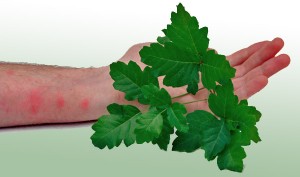
Exposure to plants such as poison ivy, poison oak, and poison sumac is a common cause of allergic contact dermatitis. This skin reaction is triggered by urushiol, an oily resin found in the sap of these plants. When urushiol comes into contact with the skin, it binds to skin proteins, initiating a delayed hypersensitivity reaction that typically manifests as an intensely itchy, red, and blistering rash. While conventional treatments are effective, several evidence-based natural preparations can serve as valuable adjuncts to soothe symptoms and support skin recovery.

⚠️ WARNING – Seek Immediate Medical Attention!

While most cases of poison ivy can be managed at home, certain symptoms warrant immediate medical evaluation. Seek emergency care if you experience: a severe, widespread rash; a rash on the face, eyes, or genital area; difficulty breathing or swallowing; or signs of a severe allergic reaction (anaphylaxis). These natural remedies are for mild to moderate, localized rashes only and should not replace professional medical advice for severe cases.

Validated Natural Adjuncts for Symptom Management

The following topical remedies have a basis in scientific research or strong traditional use for alleviating the symptoms of contact dermatitis. Remedies lacking therapeutic support, such as banana peels and potato paste, have been excluded. Furthermore, applying acidic substances like lemon juice is strongly discouraged, as it can cause significant skin irritation and photosensitivity, worsening the condition.

1. Colloidal Oatmeal (Avena sativa)

Colloidal oatmeal, which is finely ground oat grain, is a well-established demulcent and anti-inflammatory agent recognized by regulatory bodies for skin protection. Its compounds, particularly avenanthramides, have been shown to reduce inflammation and inhibit the release of histamine, directly counteracting the itching sensation.

2. Baking Soda (Sodium Bicarbonate)

Baking soda can help soothe itching and dry out the weeping blisters characteristic of a poison ivy rash. Its alkaline nature provides temporary relief by neutralizing acids on the skin’s surface and promoting the drying of lesions.

3. Witch Hazel (Hamamelis virginiana)

A distilled extract from the witch hazel plant is a natural astringent rich in tannins. These compounds help to constrict skin proteins, which can reduce weeping, decrease inflammation, and tighten the skin, providing relief from itching and irritation.

4. Bentonite Clay

Bentonite clay is a highly absorbent mineral clay that can bind to urushiol oil on the skin, potentially reducing its absorption if applied shortly after exposure. Used as a poultice, it helps to dry out blisters and calamine-like lotions often contain similar clays for their soothing and drying properties.

5. Jewelweed (Impatiens capensis)

Jewelweed has a long history in traditional North American herbalism as a primary remedy for poison ivy. While clinical studies have yielded mixed results, its traditional use is strong. It is believed that compounds within the plant, such as lawsone, may help to counteract the inflammatory effects of urushiol. It is most effective when used fresh as a poultice immediately after exposure.

Administration Protocol and Safety Limits

These protocols are for topical use on mild to moderate rashes in healthy adults.

Treatment Duration

    • Application Period: Apply remedies as needed for symptom relief for up to 7-10 days.
    • Medical Consultation: If the rash does not show signs of improvement within one week, worsens, or shows signs of infection (e.g., pus, increased warmth, fever), discontinue use and consult a healthcare provider.

Quantity and Maximum Dose

    • Frequency: Apply pastes, compresses, or lotions 2 to 4 times daily to the affected areas. Oatmeal baths can be taken once or twice daily.
    • Patch Test: Before applying any new preparation to a large area, perform a patch test on a small, unaffected area of skin to check for sensitivity or allergic reaction.
    • Overuse Risk: Excessive use of drying agents like baking soda or clay can lead to skin cracking and irritation. Discontinue if the skin becomes overly dry.

Administration Condition

    • Clean Skin: Always apply remedies to clean, gently patted-dry skin to prevent trapping bacteria.
    • Avoid Broken Skin: Do not apply astringents like witch hazel or potentially irritating substances to open blisters or broken skin, as this can cause stinging and further damage.
    • Application Method: Use clean cotton balls, pads, or cloths for application. For poultices, use a clean barrier like cheesecloth between the preparation and the skin.

Specific Biological Limitation

Type IV Hypersensitivity Reaction

The rash from poison ivy is a classic example of a Type IV delayed hypersensitivity reaction. Urushiol itself is not directly toxic; it is a hapten that penetrates the skin and binds to proteins. This new complex is recognized as foreign by the immune system’s T-lymphocytes. Upon re-exposure, these memory T-cells trigger a cascade of inflammation, leading to the characteristic rash that appears 12 to 72 hours after contact.

Technical Warning: The remedies discussed do not “cure” or stop this immunological process. They are palliative, meaning they only manage the symptoms—itching, inflammation, and weeping—while the body’s immune response runs its course over a period of one to three weeks. The primary goal is to prevent scratching, which can lead to secondary bacterial infections and scarring.

Contraindications and Precautions

Absolute Contraindications

    • Known Allergies: Do not use any preparation if you have a known allergy to its components (e.g., oats, witch hazel).
    • Infected Skin: Do not apply these remedies to areas that appear infected (yellow pus, honey-colored crusts, spreading redness, systemic fever). Infected dermatitis requires medical treatment.

Vulnerable Populations

    • Pregnancy/Breastfeeding: While topical use of oatmeal and baking soda is generally considered safe, consult a physician before using herbal extracts like witch hazel or jewelweed.
    • Children: Use with caution. Consult a pediatrician before applying any remedy to a child’s skin, especially for widespread rashes. Dosages and frequency may need adjustment.

Documented Adverse Effects

    • Common: Mild skin irritation, excessive dryness, or a stinging sensation upon application.
    • Rare: Allergic reaction to the remedy itself, presenting as a new or worsening rash.

When to Stop Immediately

Discontinue all applications and consult a doctor if you experience a significant increase in redness, swelling, pain, or itching after applying a remedy, or if you develop signs of a secondary infection.

Therapeutic Alternatives

If these natural adjuncts are unsuitable or insufficient, consider the following options.

Over-the-Counter (OTC) Pharmacological Options

    • Calamine Lotion: A classic remedy containing zinc oxide that helps to dry weeping lesions and soothe itching.
    • Hydrocortisone Cream (1%): A mild topical steroid that directly reduces inflammation and itching. Best used in the early stages before blisters form.
    • Oral Antihistamines: Medications like diphenhydramine can help control severe itching, especially at night, though they may cause drowsiness.

Prescription Medical Treatment

    • For severe, widespread, or debilitating cases, a physician may prescribe a course of oral corticosteroids (e.g., prednisone) to suppress the immune response systemically. This is the most effective treatment for severe reactions.

Note: Each alternative has its own contraindications and should be used as directed.

Home Preparation: Validated DIY Recipes

1. Colloidal Oatmeal Bath

Purpose: To soothe widespread itching and inflammation.

    • Ingredients: 1 cup of colloidal oatmeal (or plain, uncooked oatmeal ground into a fine powder using a blender).
    • Method: Add the oatmeal powder to a tub of lukewarm (not hot) running water and mix until it is evenly dispersed. Soak for 15-20 minutes. Gently pat the skin dry afterward, leaving a thin film of the oatmeal residue on the skin.

2. Baking Soda Paste or Compress

Purpose: To dry weeping blisters and relieve localized itching.

    • Ingredients: 3 parts baking soda to 1 part water.
    • Paste Method: Mix to form a thick paste. Apply gently to the rash, allow it to dry, and then flake off. Do not rub.
    • Compress Method: Dissolve 2 tablespoons of baking soda in a pint of cool water. Saturate a clean cloth in the solution, wring it out, and apply to the rash for 10-15 minutes.

3. Bentonite Clay Poultice

Purpose: To draw out fluid from blisters and soothe the skin.

    • Ingredients: Bentonite clay powder and purified water.
    • Method: In a non-metallic bowl, mix the clay with enough water to form a smooth paste the consistency of yogurt. Apply a thick layer over the rash. Let it dry completely (about 20-30 minutes), then rinse off gently with cool water.

Quick Guide: Poison Ivy Rash Safety

Category Details
❌ Who should AVOID home care • Individuals with a rash on the face, eyes, or genitals.
• Those with a history of severe reactions.
• Anyone experiencing difficulty breathing or swelling.
📊 Application Guidelines • Adults: Apply topically 2-4 times per day.
• Maximum duration: 7-10 days without improvement.
• Always perform a patch test first.
🚨 ALARM signs • Spreading redness, warmth, or pus (infection).
• Fever or feeling unwell.
• Worsening of the rash after applying a remedy.
💊 When to use medication • If itching is severe and uncontrollable (use OTC hydrocortisone or oral antihistamines).
• If the rash is widespread or severe (consult a doctor for prescription steroids).
⏱️ When to consult a doctor IMMEDIATELY if alarm signs appear OR
If there is no improvement after 7 days of home care.

💡 Golden rule: When in doubt, consult a healthcare professional. Do not rely solely on home remedies for severe or worsening conditions.

Specialist’s Summary

Natural adjuncts like colloidal oatmeal, baking soda, and witch hazel are useful for managing the symptoms of mild to moderate poison ivy dermatitis by reducing itching and drying lesions. These remedies do not cure the underlying immune reaction but provide significant palliative relief. They are contraindicated for infected skin or severe cases, which require medical intervention with options like oral corticosteroids. Always consult a physician if the rash is severe, widespread, or does not improve within a week.

Frequently Asked Questions

How long does it take for natural remedies to soothe a poison ivy rash?

Symptomatic relief from itching can be felt almost immediately after applying a cool compress, oatmeal bath, or baking soda paste. However, these remedies do not shorten the total duration of the rash, which typically lasts 1 to 3 weeks as the immune system resolves the reaction.

Can you put Aloe Vera on a poison ivy rash?

Yes, pure Aloe Vera gel can be soothing for the inflammation and itching associated with poison ivy due to its anti-inflammatory properties. However, ensure it is 100% pure gel, as additives in some commercial products can cause further irritation.

When is a poison ivy rash a medical emergency?

A poison ivy rash becomes an emergency if you have difficulty breathing or swallowing, extensive blistering, swelling (especially of the face or eyes), or a rash covering a large portion of your body. These symptoms require immediate medical attention.

What is the fastest way to get rid of a poison ivy rash?

The fastest and most effective way to resolve a severe poison ivy rash is with a course of prescription oral corticosteroids, such as prednisone, prescribed by a doctor. For mild cases, diligent use of topical treatments (natural or OTC) and keeping the area clean and dry will support the quickest natural resolution.


You may also like

Leave a Comment