Lady’s Mantle and Raspberry Leaf Tea: A Supportive Herbal Approach for Uterine Health

by Andreea Smiterson
0 comments
A+A-
Reset

Uterine fibroids and ovarian cysts are common gynecological conditions that require proper medical diagnosis and management. While conventional medical treatments are the primary standard of care, certain traditional herbal preparations may offer supportive benefits for managing symptoms and promoting overall uterine health. It is crucial, however, to understand that phytotherapy should complement, not replace, professional medical advice and treatment.

⚠️ WARNING – Seek Proper Medical Diagnosis First!

Symptoms such as pelvic pain, heavy menstrual bleeding, or abdominal swelling can be associated with various conditions, some of which may be serious. Self-treating without a confirmed diagnosis from a healthcare professional can delay essential medical care. Therefore, always consult a gynecologist to determine the nature and cause of your symptoms before considering any herbal protocol.

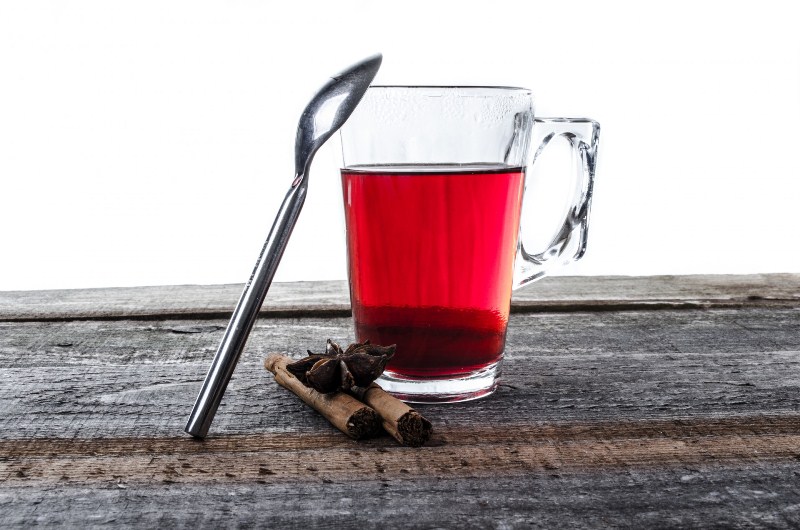
homemade-tea-for-ovarian-cysts

The Role of Lady’s Mantle and Raspberry Leaf in Traditional Herbalism

In European traditional medicine, Lady’s Mantle (Alchemilla vulgaris) and Raspberry Leaf (Rubus idaeus) are frequently used in combination to support female reproductive health. This blend is not a “cure” for fibroids or cysts but is traditionally valued for its potential to help manage associated symptoms.

    • Lady’s Mantle (Alchemilla vulgaris): This herb is known for its astringent properties, primarily due to its high tannin content. Herbalists traditionally use it to help reduce heavy menstrual bleeding (menorrhagia) and regulate the menstrual cycle. Furthermore, it is believed to have a balancing effect on female hormones, although robust clinical evidence is still emerging.
    • Raspberry Leaf (Rubus idaeus): Widely recognized as a uterine tonic, raspberry leaf contains the alkaloid fragarine, which helps tone the muscles of the pelvic region, including the uterus. Consequently, it is often used to alleviate menstrual cramps and support overall uterine function.

Supportive Herbal Infusion for Uterine Health

The original preparation method described in many online sources is unnecessarily complex. A standard hot infusion is sufficient to extract the key therapeutic compounds effectively and safely.

Ingredients:

    • 1 part dried Lady’s Mantle (leaves and flowers)
    • 1 part dried Raspberry Leaf

Method of Preparation:

    • Combine the dried herbs thoroughly. Store the mixture in an airtight glass container away from direct sunlight.
    • To prepare the infusion, add 1-2 teaspoons of the herbal blend to a cup (approximately 250 ml or 8 oz) of freshly boiled water.
    • Cover the cup and let it steep for 10-15 minutes. This prevents volatile compounds from escaping with the steam.
    • Strain the infusion to remove the plant material before drinking.

Administration Protocol and Safety Limits

Treatment Duration

    • Standard Cycle: Consume the infusion daily for three weeks, followed by a one-week break. This cycle can be aligned with the menstrual cycle (e.g., stopping during menstruation if bleeding is a concern).
    • Maximum Duration: Do not exceed three consecutive cycles (approximately three months) without a medical re-evaluation to assess progress and ensure the protocol remains appropriate.
    • Mandatory Break: A one-week break every month is essential to prevent tolerance and reduce the risk of cumulative side effects.

Quantity and Maximum Dose

    • Dose per Administration: 1 cup (250 ml / 8 oz) per serving.
    • Frequency: Drink 2 to 3 cups per day.
    • Maximum Daily Dose: Do not exceed 750 ml (approximately 3 cups) per day for a healthy adult. Exceeding this dose significantly increases the risk of gastrointestinal irritation from tannins.

Administration Conditions

    • Timing: For optimal absorption, drink the infusion between meals, approximately 30 minutes before or 2 hours after eating.
    • Incompatibilities: The tannins in both herbs can reduce the absorption of iron and other minerals. Therefore, avoid taking iron supplements or mineral-rich foods within one hour of consuming the tea.
    • Additional Requirements: Ensure adequate hydration throughout the day by drinking at least 1.5 to 2 liters of water.

Specific Biological Limitation

Tannin Content and Hormonal Modulation

The primary biological limitation of this herbal blend relates to two key mechanisms. First, the high concentration of tannins in Lady’s Mantle acts as an astringent, which can be beneficial for reducing heavy bleeding. However, these same tannins can irritate the gastric mucosa in sensitive individuals and may impair the absorption of nutrients like iron if consumed in excess or with meals. Second, both herbs are believed to exert a modulating effect on the female hormonal system. While this is their intended therapeutic action, this mechanism makes them inappropriate for individuals with hormone-sensitive conditions (such as estrogen-receptor-positive breast cancer) without explicit approval from an oncologist. The precise pharmacological action is not fully elucidated, thus requiring a cautious approach.

Contraindications and Precautions

Absolute Contraindications

    • Pregnancy: Raspberry leaf is a uterine stimulant and is contraindicated, particularly in the first and second trimesters, unless under the direct supervision of a qualified healthcare provider.
    • Hormone-Sensitive Cancers: Individuals with a history of breast, uterine, or ovarian cancer should avoid this blend due to its potential hormonal effects.
    • Known Allergy: Do not use if you have a known allergy to plants in the Rosaceae family (which includes raspberry).

Vulnerable Populations

    • Breastfeeding: Insufficient safety data exists. Therefore, it is best to avoid this tea while nursing.
    • Children: This preparation is not intended for use in individuals under 18 years of age.

Major Drug Interactions

    • Hormonal Therapies: May interfere with oral contraceptives, hormone replacement therapy (HRT), or other hormonal medications.
    • Anticoagulants: Use with caution, as some herbal traditions suggest Lady’s Mantle may have mild effects on coagulation.
    • Iron Supplements: As mentioned, tannins can chelate iron, reducing its absorption. Separate administration by at least one hour.

Documented Adverse Effects

    • Common: Mild gastrointestinal discomfort, nausea, or constipation, particularly on an empty stomach.
    • Rare: In very high doses, there is a theoretical risk of liver stress, although this is not well-documented with standard preparations.

Nutritional Recommendations for Hormonal Balance

Dietary adjustments can significantly support hormonal health and may help manage symptoms associated with fibroids and cysts. Consider the following evidence-based strategies:

Dietary Goal Recommended Foods Foods to Limit or Avoid
Increase Fiber Intake Whole grains (oats, brown rice), legumes (lentils, beans), fruits, and vegetables. Refined flour products (white bread, pasta), sugary snacks.
Support Liver Function Cruciferous vegetables (broccoli, kale), leafy greens, turmeric, and green tea. Excessive alcohol, processed foods with synthetic additives.
Choose Healthy Fats Avocado, nuts, seeds, and fatty fish (salmon, mackerel) rich in Omega-3s. Trans fats, excessive saturated fats from red meat and processed foods.
Optimize Protein Sources Lean poultry, fish, tofu, tempeh, and legumes. High-fat processed meats.

Recent Medical Research (2020-2026)

Recent high-quality clinical research specifically investigating the combination of Lady’s Mantle and Raspberry Leaf for treating uterine fibroids or ovarian cysts is limited. Most available information relies on traditional use and preclinical studies on their individual components.

    • A 2021 review on Alchemilla species highlighted their traditional use in gynecological disorders and confirmed their rich phytochemical profile, including tannins and flavonoids, which possess antioxidant and anti-inflammatory properties. However, it also underscored the need for more rigorous clinical trials to validate these uses.
    • Research on Raspberry Leaf continues to focus primarily on its use in late pregnancy to prepare the uterus for labor, with less focus on its direct impact on pathologies like fibroids.

Updated Scientific Verdict: The use of this herbal blend for symptomatic relief (e.g., heavy bleeding, cramps) is plausible based on traditional knowledge and the known properties of its constituents. Nevertheless, there is currently insufficient scientific evidence to claim it can reduce the size of or eliminate fibroids and cysts.

Therapeutic Alternatives

If this herbal blend is not suitable or if a more evidence-based approach is desired, several alternatives exist.

Botanical Alternatives with Studies

    • Chaste Tree (Vitex agnus-castus): This is one of the most well-researched herbs for female hormonal balance. It has demonstrated efficacy in managing PMS symptoms and regulating the menstrual cycle by acting on the pituitary gland.
    • Green Tea Extract (EGCG): Several studies have suggested that epigallocatechin gallate (EGCG), a compound in green tea, may inhibit the growth of uterine fibroid cells and reduce symptom severity.
    • Turmeric (Curcuma longa): Curcumin, the active compound in turmeric, is a potent anti-inflammatory agent that may help manage the inflammatory component associated with these conditions.

Conventional Medical Options

These are the primary, evidence-based treatments and should be discussed with your doctor. They include hormonal medications (like GnRH agonists), hormone-releasing IUDs, and various surgical procedures such as myomectomy, uterine artery embolization, or hysterectomy.

Quick Guide: Herbal Tea Safety

Category Details
❌ Who should AVOID • Pregnant or breastfeeding women
• Individuals with hormone-sensitive cancers
• Those with allergies to the Rosaceae family
• Patients on hormonal medications without medical consent
📊 Maximum safe dose • Adults: 2-3 cups (750 ml) per day
• Treatment duration: 3 weeks on, 1 week off
• Mandatory break: Re-evaluate with a doctor after 3 months
🚨 ALARM signs (Stop immediately) • Severe abdominal pain
• Unusual or worsening bleeding patterns
• Signs of an allergic reaction (rash, hives, difficulty breathing)
💊 Major interactions • Hormonal therapies (e.g., birth control pills, HRT)
• Iron supplements (separate by 1 hour)
⏱️ When to consult doctor IMMEDIATELY if alarm signs appear OR
If symptoms do not improve after 2-3 months of use.

💡 Golden rule: When in doubt, always consult a qualified healthcare professional or a certified herbalist.

Specialist’s Summary

The combination of Lady’s Mantle and Raspberry Leaf is a traditional herbal remedy used to support uterine health, primarily by helping manage symptoms like heavy bleeding and menstrual discomfort. Its effects are considered supportive and are based on astringent and uterine tonic properties. However, it is strictly contraindicated during pregnancy and in hormone-sensitive conditions and interacts with hormonal medications. Validated alternatives with stronger clinical evidence include Chaste Tree (Vitex) and Green Tea Extract (EGCG), alongside essential conventional medical treatments.

Frequently Asked Questions

Can Lady’s Mantle and Raspberry Leaf tea shrink or eliminate uterine fibroids?
There is no reliable scientific evidence to suggest that this tea can shrink or eliminate existing uterine fibroids or ovarian cysts. Its traditional use is focused on managing symptoms, such as heavy bleeding and cramps, not as a curative treatment for the underlying structural issues.

How long does it take for this herbal tea to show results for symptoms?
If the tea is going to be effective for symptomatic relief, subtle improvements may be noticed within 2 to 3 menstrual cycles. However, this can vary significantly between individuals. If no improvement is observed after three months, it is unlikely to be an effective therapy for you, and you should consult your doctor to explore other options.

Is this tea safe to drink every day?
It is safe for most non-pregnant adults to drink daily within the recommended dosage (2-3 cups/day), but only for a defined period. It is crucial to follow a cyclical regimen (e.g., 3 weeks on, 1 week off) and to take longer breaks after a few months to prevent potential side effects and to re-evaluate the need for the treatment.

What are the medically proven alternatives for treating uterine fibroids?
Medically proven treatments are tailored to the size, location, and severity of fibroids. Options include hormonal medications to control growth and bleeding, minimally invasive procedures like uterine artery embolization, and surgical options like myomectomy (fibroid removal) or hysterectomy (uterus removal).

Sources and References


You may also like

Leave a Comment