Mint and Ginger Juice for Digestive Health: Benefits and Recipe

by Andreea Smiterson
2 comments
A+A-
Reset

This refreshing juice combines ingredients traditionally recognized for their digestive benefits, such as ginger and mint, with nutrient-dense greens. While often presented as a simple, healthy beverage, it is essential to understand the specific properties of its components, their evidence-based uses, and crucial safety protocols. This article provides a phytotherapy specialist’s perspective on this popular wellness drink, separating scientific fact from fiction.

Important Note: This beverage is a supportive dietary addition and is not a treatment or cure for any disease, including cancer. Claims suggesting otherwise are unsubstantiated and dangerous. Always consult a healthcare professional for medical advice and treatment.

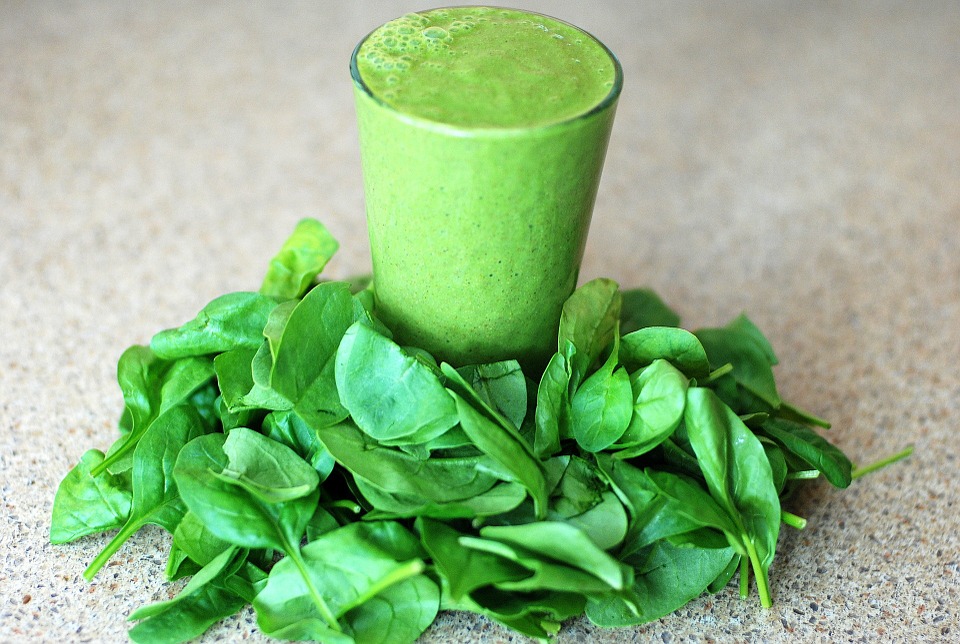
A refreshing green juice with mint and lime

The Science Behind the Key Ingredients

The potential benefits of this juice stem from the well-researched properties of its primary ingredients, ginger and mint, complemented by the nutritional value of spinach and cucumber.

Ginger (Zingiber officinale)

Ginger is one of the most studied botanicals for digestive health. Its primary bioactive compounds, gingerols and shogaols, are responsible for its therapeutic effects. The World Health Organization (WHO) monograph supports its use for the prevention of nausea and vomiting.

  • Anti-Nausea Effects: Research, including a meta-analysis published in the journal Nutrients, consistently shows that ginger is effective in reducing nausea and vomiting associated with pregnancy, motion sickness, and chemotherapy. It works by influencing serotonin receptors in the gut and exerting effects on the central nervous system.
  • Prokinetic Action: Furthermore, ginger helps stimulate gastric emptying, meaning it can help move food through the stomach more efficiently. This action may provide relief from feelings of fullness, bloating, and indigestion.

Mint (Mentha x piperita)

Peppermint is officially recognized by the European Medicines Agency (EMA) for the symptomatic relief of minor digestive complaints like bloating and flatulence. Its primary active component is menthol.

  • Antispasmodic Properties: Menthol has a relaxing effect on the smooth muscles of the gastrointestinal tract. It achieves this by blocking calcium channels, which helps reduce muscle spasms that can cause pain and cramping, particularly in conditions like Irritable Bowel Syndrome (IBS).
  • Carminative Effect: Traditionally, herbalists use mint as a carminative to help expel gas from the intestines, thereby alleviating bloating and discomfort.

Supportive Ingredients: Spinach and Cucumber

While not the primary therapeutic agents, spinach and cucumber add significant nutritional value. Spinach is an excellent source of vitamin K, crucial for blood clotting, as well as folate and iron. Cucumber provides exceptional hydration due to its high water content and contributes electrolytes like potassium.

Refreshing Mint and Ginger Wellness Juice Recipe

This simple recipe takes only a few minutes to prepare and yields one to two servings.

Ingredients:

  • 1-inch piece of fresh ginger, peeled
  • 1/4 cup fresh mint leaves
  • 2 cups fresh spinach
  • 1 medium cucumber, washed
  • 1 green apple, cored
  • 1 lime, peeled
  • 1/2 cup fresh basil leaves (optional, for flavour)

Instructions:

Process all ingredients through a juicer. For best results, alternate between soft ingredients (spinach, mint) and hard ingredients (apple, cucumber, ginger) to maximize juice extraction. Stir well and consume immediately to retain the highest level of nutrients.

Administration Protocol and Safety Limits

Even natural, food-based preparations require mindful consumption to ensure safety and efficacy.

Guideline Protocol
Maximum Daily Dose One serving (approximately 250-350 ml or 8-12 oz) per day for a healthy adult.
Consumption Frequency Best consumed as part of a varied diet. Avoid daily, long-term consumption without breaks to prevent potential issues like oxalate buildup from spinach. Consider a cycle of 5 days on, 2 days off.
Administration Timing Consume between meals, at least 30 minutes before or 2 hours after a main meal, to avoid interfering with digestion.
Overdose Risk Exceeding 4 grams of ginger per day may cause mild heartburn, diarrhea, and irritation of the mouth. High intake of spinach can contribute to kidney stone formation in susceptible individuals.

Specific Biological Limitation

Understanding the mechanisms of these plants reveals why they are not suitable for everyone.

Mint and GERD: Mint contains menthol, which relaxes smooth muscles. While this is beneficial for intestinal cramps, it also relaxes the lower esophageal sphincter (LES), the valve between the esophagus and stomach. For individuals with Gastroesophageal Reflux Disease (GERD) or a hiatal hernia, this can worsen symptoms by allowing stomach acid to flow back into the esophagus, causing heartburn.

Ginger and Blood Clotting: Ginger contains compounds that can inhibit thromboxane synthase, an enzyme involved in platelet aggregation. This gives it mild blood-thinning properties. While generally safe, this effect becomes a significant risk for individuals with bleeding disorders or those taking anticoagulant or antiplatelet medications, as it can increase the risk of bruising and bleeding.

Contraindications and Precautions

Do not consume this juice without consulting a healthcare provider if any of the following apply:

  • Gastroesophageal Reflux Disease (GERD): Mint can significantly worsen acid reflux symptoms.
  • Gallstone Disease: Ginger stimulates bile production, which can be problematic and painful if gallstones are present.
  • Bleeding Disorders: Ginger’s antiplatelet effect can increase bleeding risk. It should be stopped at least two weeks before scheduled surgery.
  • Kidney Disease or History of Kidney Stones: Spinach is high in oxalates, which can contribute to the formation of calcium oxalate stones in susceptible individuals.

Major Drug Interactions

  • Anticoagulants and Antiplatelets (e.g., Warfarin, Aspirin, Clopidogrel): Ginger can potentiate the effects of these drugs, increasing the risk of bleeding. Spinach’s high Vitamin K content can interfere with the efficacy of Warfarin.
  • Antidiabetic Drugs: Ginger may lower blood sugar levels, potentially enhancing the effect of these medications and increasing the risk of hypoglycemia.
  • Calcium Channel Blockers (e.g., Nifedipine): Theoretically, high doses of ginger could increase the risk of low blood pressure or irregular heartbeat when combined with these drugs.

Therapeutic Alternatives

If this juice is not suitable for you, other botanicals offer excellent digestive support:

  1. Fennel (Foeniculum vulgare) Tea: An excellent carminative that helps relieve gas, bloating, and intestinal cramps. It is generally gentler on the stomach than mint and does not typically aggravate reflux.
  2. Chamomile (Matricaria recutita) Tea: Known for its mild antispasmodic and anti-inflammatory properties. It is particularly effective for indigestion linked to stress and anxiety.
  3. Lemon Balm (Melissa officinalis) Tincture or Tea: A calming herb that soothes the nervous system and digestive tract, making it ideal for nervous indigestion and bloating.

Recent Medical Research (2020-2026)

Modern science continues to validate the traditional uses of these plants.

  • A 2020 systematic review in Nutrients reaffirmed ginger’s efficacy and safety for managing pregnancy-induced nausea and vomiting.
  • Research published in Digestive Diseases and Sciences in 2021 highlighted the role of peppermint oil in modulating visceral hypersensitivity and gut motility in IBS patients, confirming its value in functional gut disorders.

Current Limitations: While evidence for ginger and mint is strong for specific symptoms, research on whole juice combinations is limited. Most benefits are extrapolated from studies on individual ingredients, often in more concentrated forms. More clinical trials are needed to understand the synergistic effects and optimal dosages of such beverages.

Specialist’s Summary

This mint and ginger juice is a nutrient-rich beverage that may help support digestive comfort, primarily due to ginger’s anti-nausea properties and mint’s antispasmodic effects. It is not a “detox” drink or a treatment for any disease. It is strongly contraindicated for individuals with GERD, gallstones, or those on blood-thinning medications. Validated alternatives for digestive relief include fennel, chamomile, or lemon balm teas.

Frequently Asked Questions

1. Can this mint and ginger juice help with weight loss?
This juice is low in calories and high in nutrients, making it a healthy addition to a weight management plan. However, it does not directly cause weight loss. Sustainable weight loss is achieved through a balanced diet, calorie management, and regular physical activity.

2. Is it safe to drink this juice every day?
For most healthy individuals, one serving is safe. However, due to the high oxalate content in spinach, daily long-term consumption is not recommended for those prone to kidney stones. Rotating it with other healthy beverages is the best approach.

3. Can this juice replace a meal?
No. This juice lacks sufficient protein, healthy fats, and fiber to be considered a meal replacement. It is best used as a hydrating, nutrient-boosting supplement between meals.

4. Is this juice safe during pregnancy?
This requires careful consideration and a doctor’s consultation. Ginger is often recommended for morning sickness, but high doses are debated. Mint in food quantities is generally considered safe, but concentrated peppermint oil is contraindicated. Given the combination of active ingredients, it is crucial to seek medical approval before consuming it during pregnancy.

Sources and References

  • World Health Organization (WHO). (1999). WHO Monographs on Selected Medicinal Plants – Volume 1. Rhizoma Zingiberis.
  • European Medicines Agency (EMA). (2019). European Union herbal monograph on Mentha x piperita L., aetheroleum.
  • Viljoen, E., Visser, J., Koen, N., & Musekiwa, A. (2020). A Systematic Review and Meta-Analysis of the Effect and Safety of Ginger in the Treatment of Pregnancy-Associated Nausea and Vomiting. Nutrients, 12(6), 1579.
  • Cash, B. D., Epstein, M. S., & Shah, S. M. (2021). A Novel Delivery System of Peppermint Oil Is an Effective Therapy for Irritable Bowel Syndrome Symptoms. Digestive Diseases and Sciences, 66(10), 3503–3519.

⚠️ Important Medical Information

This article is for educational and informational purposes only and is not intended as medical advice, diagnosis, or treatment. The information provided about Mint and Ginger is based on traditional use, preliminary research, and available scientific evidence, which may be limited.

Before using this juice:

  • Consult a qualified healthcare provider, especially if you are pregnant, breastfeeding, taking medications, or have existing health conditions like GERD, gallstones, or kidney disease.
  • Do not use as a substitute for prescribed medications or professional medical treatment.
  • Individual results may vary – what works for one person may not work for another.
  • Monitor for adverse reactions and discontinue use if negative symptoms occur.


You may also like

2 comments

Liz Fourie
Liz Fourie April 26, 2016 - 22:39

These leaves looks like Basil

Reply
Antoinette Duksic
Antoinette Duksic April 27, 2016 - 23:46

Thanks

Reply

Leave a Comment