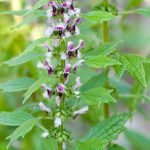
Menopause represents a significant biological transition, often accompanied by hormonal fluctuations that can profoundly impact emotional well-being. For many, this period brings unwelcome mood changes, including heightened anxiety, irritability, and symptoms of depression. These emotional shifts are not merely psychological; they are deeply rooted in the complex interplay between declining estrogen levels and the brain’s neurotransmitter systems, such as serotonin and GABA.

Furthermore, factors like a personal or family history of depression, significant life stressors, and concerns about aging can compound these hormonal effects. While conventional treatments are available, many seek complementary support from phytotherapy to help manage these symptoms. One such plant, Lemon Balm (*Melissa officinalis*), has a long history of traditional use for calming the nervous system and may offer gentle support during this transition.
How Lemon Balm May Support Mood During Menopause
Lemon Balm, a member of the mint family, is not a direct treatment for clinical depression but is valued in herbal medicine for its calming (anxiolytic) and mood-lifting properties. Its primary benefits for menopausal mood stem from its influence on the nervous system.
Mechanism of Action: Research suggests that the active compounds in Lemon Balm, particularly rosmarinic acid, modulate the activity of Gamma-Aminobutyric Acid (GABA) in the brain. GABA is an inhibitory neurotransmitter that helps reduce neuronal excitability. By enhancing GABAergic activity, Lemon Balm can promote a sense of calm, reduce feelings of anxiety, and improve sleep quality—all of which are crucial for maintaining a stable mood.
Indeed, clinical observations show that its gentle, non-sedating effect during the day can help ease the tension and irritability often associated with perimenopause, while its use in the evening can aid in combating the insomnia that frequently exacerbates depressive feelings.
Administration Protocol and Safety Limits
To ensure both safety and efficacy, it is crucial to follow a structured administration protocol. Consequently, self-prescribing without professional guidance is not recommended.
| Parameter | Guideline |
| Form of Administration | Herbal Infusion (Tea) or Standardized Extract Capsules |
| Dosage (Tea) | 1.5 to 4.5 grams of dried leaves, infused in 150 ml of boiling water for 10-15 minutes. Drink 2-3 cups per day. |
| Dosage (Extract) | 300-600 mg of a standardized extract, taken twice daily. |
| Treatment Duration | Up to 30 consecutive days. |
| Mandatory Break | A minimum of 7-10 days between treatment cycles is required to maintain efficacy and prevent tolerance. |
| Timing | Best taken after meals to minimize any potential for mild stomach upset. An evening dose can be particularly helpful for promoting restful sleep. |
Overdose Risk: While generally safe, exceeding the recommended daily dose may lead to excessive drowsiness, dizziness, or gastrointestinal discomfort. It is not a substitute for prescribed antidepressant medication.
Specific Biological Limitation
Thyroid Function Interference: Lemon Balm contains compounds that may interfere with thyroid hormone production and absorption. Specifically, it can inhibit the binding of thyroid-stimulating hormone (TSH) to its receptors.
Technical Warning: For this reason, individuals with hypothyroidism or those taking thyroid replacement medication (e.g., levothyroxine) should avoid using Lemon Balm. Its use could potentially worsen their condition or reduce the effectiveness of their medication, leading to symptoms of an underactive thyroid.
Contraindications and Precautions
Before incorporating Lemon Balm into your routine, it is essential to be aware of its contraindications and potential interactions.
Absolute Contraindications (Forbidden)
- Hypothyroidism: Due to its potential to interfere with thyroid function.
- Known Allergy: Individuals with a known allergy to Lemon Balm or other plants in the Lamiaceae (mint) family should avoid it.
Vulnerable Populations
- Pregnancy and Breastfeeding: There is insufficient safety data; therefore, its use is not recommended.
- Children: Consult a pediatrician before use, as dosages need to be adjusted.
Major Drug Interactions
- Sedatives and CNS Depressants: Lemon Balm can potentiate the effects of barbiturates, benzodiazepines, and other sedative medications, leading to excessive drowsiness.
- Thyroid Medications: It may interfere with the efficacy of thyroid hormone replacement therapy.
Documented Adverse Effects
- Common: Mild dizziness, nausea, or stomach upset may occur, especially on an empty stomach.
- When to stop immediately: Discontinue use if you experience any signs of an allergic reaction, such as a rash, itching, or difficulty breathing.
Therapeutic Alternatives
If Lemon Balm is not suitable for you, other botanicals may offer support for menopausal mood symptoms. However, each has its own safety profile.
- Red Clover (*Trifolium pratense*): This plant is rich in isoflavones, which are phytoestrogens. It may help address the underlying hormonal fluctuations contributing to mood swings, hot flashes, and anxiety. It works differently from Lemon Balm by providing gentle estrogenic support.
- Passionflower (*Passiflora incarnata*): For those whose low mood is primarily driven by anxiety and restlessness, Passionflower is an excellent alternative. It also works on the GABA system but is often considered more potent for managing acute feelings of panic or nervousness.
- Valerian (*Valeriana officinalis*): If poor sleep is the main driver of daytime fatigue and depressive mood, Valerian root is a well-researched sedative. It is best used before bedtime to improve sleep quality, which can have a significant positive impact on mood.
Note: Always consult a healthcare provider before starting any new herbal supplement, especially when considering alternatives.
Recent Medical Research (2020-2026)
Modern research continues to explore the traditional uses of Lemon Balm for mood and cognitive health.
- A 2022 systematic review published in Phytotherapy Research analyzed multiple clinical trials and concluded that *Melissa officinalis* demonstrates significant anxiolytic (anxiety-reducing) effects. The review highlighted its potential for managing mild-to-moderate anxiety and sleep disturbances.
- Additionally, a 2021 study investigated the effects of Lemon Balm on stress and cognitive function, finding that supplementation improved mood and performance on cognitively demanding tasks.
Current Limitations: While evidence for its anxiety and sleep benefits is growing, more large-scale, long-term studies are needed specifically on its effects on depressive symptoms in menopausal women. Most research focuses on broader populations with anxiety or stress.
Specialist’s Summary
Lemon Balm (*Melissa officinalis*) is a useful botanical for managing mild anxiety, irritability, and sleep disturbances associated with perimenopause, with noticeable effects often appearing after 1-2 weeks of consistent use. However, it is strictly contraindicated for individuals with hypothyroidism and interacts with sedatives and thyroid medications. For those needing direct hormonal support, validated alternatives like Red Clover may be more appropriate, while Valerian is a stronger option for significant sleep disruption.
Frequently Asked Questions
How long does it take for Lemon Balm to help with mood?
While a single cup of tea can have an immediate calming effect, consistent benefits for overall mood and anxiety typically require 1 to 2 weeks of regular use. Its effects are cumulative and gentle.
Can I take Lemon Balm with other menopause herbs like Black Cohosh?
Generally, combining Lemon Balm with phytoestrogenic herbs like Black Cohosh is considered safe, as they have different mechanisms of action. However, it is always best to consult a qualified healthcare provider or phytotherapist to ensure the combination is appropriate for your specific health profile.
Is Lemon Balm a good alternative to St. John’s Wort for depression?
Lemon Balm is not a direct substitute. St. John’s Wort is researched for mild-to-moderate depression and works on serotonin pathways, but it has numerous significant drug interactions. In contrast, Lemon Balm is much gentler, primarily targets anxiety and sleep, and has fewer, though still important, contraindications. It is better suited for anxiety-related low mood than for clinical depression.
Sources and References
Recent Studies (2020-2026):
- Ghazizadeh, J., et al. (2021). The effects of Melissa officinalis (lemon balm) on subjective stress and cognitive performance in a laboratory-induced stress setting. *Phytotherapy Research*.
- Au, R. T. M., et al. (2022). The effectiveness of Melissa officinalis (lemon balm) on anxiety and depression in adults: A systematic review. *Phytotherapy Research*.
Official Monographs:
⚠️ Important Medical Information
This article is for educational and informational purposes only and is not intended as medical advice, diagnosis, or treatment. The information provided about Lemon Balm is based on traditional use, preliminary research, and available scientific evidence, which may be limited.
Before using Lemon Balm:
- Consult a qualified healthcare provider, especially if you are pregnant, breastfeeding, taking medications, or have existing health conditions like hypothyroidism.
- Do not use as a substitute for prescribed medications or professional medical treatment for depression.
- Individual results may vary – what works for one person may not work for another.
- Monitor for adverse reactions and discontinue use if negative symptoms occur.
Regulatory status: Lemon Balm is considered a dietary supplement or traditional remedy and has not been evaluated by the FDA for treating, curing, or preventing any disease.