Raspberry Leaf Tea for Uterine Health: Benefits, Safety, and How to Use
Red raspberry leaf (*Rubus idaeus*) tea is a traditional herbal remedy often referred to as “the woman’s herb.” Unlike the fruit, the leaves are not sweet but offer a rich, earthy flavor similar to black tea. For centuries, midwives and herbalists have used it primarily to support female reproductive health, particularly during the later stages of pregnancy and for menstrual cycle regulation. However, its use requires a clear understanding of its benefits, mechanisms, and crucial safety protocols.
This evidence-based guide explains the science-backed uses of raspberry leaf tea, how to prepare it safely, and its important contraindications, ensuring you can make an informed decision in consultation with your healthcare provider.
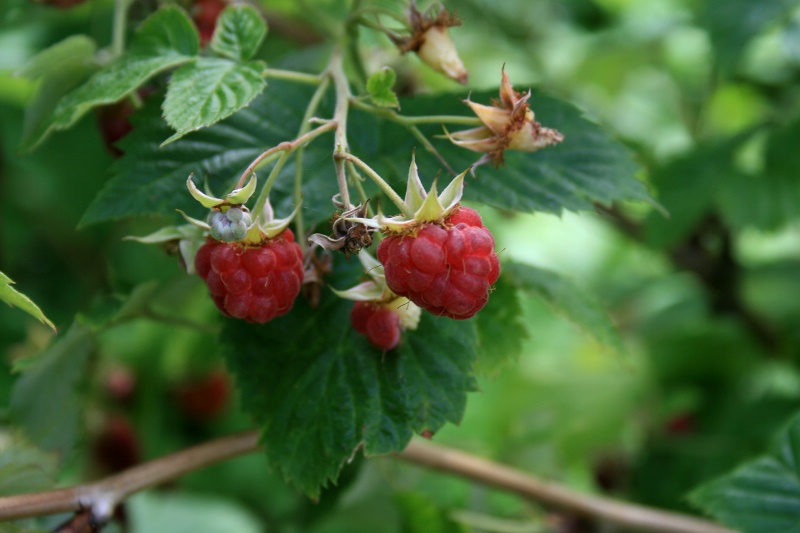
Potential Health Benefits of Red Raspberry Leaf
While traditionally used for a wide range of ailments, modern research has focused on a few key areas, primarily related to uterine health. It is important to note that while promising, the evidence for some benefits is still considered preliminary.
1. Uterine Tonic and Labor Preparation
The most well-known use of raspberry leaf is as a uterine tonic to prepare the body for childbirth. It is thought to contain an alkaloid called fragrine, which may help tone the muscles of the uterine wall. Consequently, this toning effect is believed to support more efficient uterine contractions during labor.
A 2021 systematic review published in BMC Complementary Medicine and Therapies analyzed existing studies. The findings suggest that raspberry leaf may shorten the second stage of labor and reduce the likelihood of requiring forceps or vacuum-assisted birth. However, the authors emphasized that it does not induce labor or shorten the overall duration of labor. Therefore, its role is preparative, not inductive.
2. Menstrual Cycle Support
Traditionally, herbalists use raspberry leaf tea to help alleviate symptoms associated with the menstrual cycle. Its potential antispasmodic properties may help soothe uterine muscle cramps (dysmenorrhea). Furthermore, the tannins present in the leaves have an astringent effect, which has been traditionally used to help reduce heavy menstrual bleeding.
3. Rich in Nutrients and Antioxidants
Red raspberry leaves are a good source of vitamins and minerals that support overall health. They contain notable amounts of Vitamin C, iron, potassium, and magnesium. Additionally, they are rich in polyphenols like tannins and flavonoids, which act as antioxidants. These compounds help protect the body’s cells from damage caused by free radicals.
Administration Protocol and Safety Limits
Proper dosing and timing are critical for the safe use of raspberry leaf tea, especially during pregnancy. Always follow a structured protocol and consult a healthcare provider or certified midwife before starting.
| Guideline | Recommendation |
| Maximum Daily Dose | 1 to 3 cups (240-720 ml) per day for a healthy adult. |
| Dose Per Administration | 1 teaspoon of dried leaves per 1 cup (240 ml) of boiling water. |
| Treatment Duration (Pregnancy) | Start only from week 32 of gestation. Begin with 1 cup per day and gradually increase to a maximum of 3 cups. |
| Treatment Duration (Non-Pregnancy) | Can be consumed for 2-3 weeks, followed by a 1-week break. |
| Administration Condition | Can be consumed with or without food. Drink warm or chilled. |
Overdose Risk: Exceeding 3-4 cups per day may lead to gastrointestinal upset, such as loose stools or mild nausea, due to its laxative and diuretic properties.
How to Make Raspberry Leaf Tea
Preparing this herbal infusion is straightforward and allows you to control the strength.
- Place 1 teaspoon of dried raspberry leaves into a teapot or mug.
- Pour 1 cup (8 oz or 240 ml) of boiling water over the leaves.
- Cover and let it steep for 5-10 minutes. A longer steep time will result in a stronger, more astringent tea.
- Strain the leaves and drink. It can be enjoyed hot or cooled and served over ice.
Specific Biological Limitation
The primary mechanism of raspberry leaf involves its effect on smooth muscle tissue, specifically the uterus. The compound fragrine is believed to be responsible for this toning action. While this can be beneficial in preparing for labor in the third trimester, this same effect poses a risk in early pregnancy.
Technical Warning: Stimulating the uterine muscles during the first and second trimesters is contraindicated as it could theoretically increase the risk of uterine contractions and potential complications. For this reason, its use is strictly limited to the final weeks of a healthy, full-term pregnancy under medical supervision.
Contraindications and Precautions
Despite its benefits, raspberry leaf tea is not suitable for everyone. Adhering to these contraindications is essential for safety.
Absolute Contraindications (Do Not Use)
- Pregnancy before 32 weeks: Due to its stimulating effect on the uterus.
- History of premature labor: If you have previously delivered a baby prematurely.
- High-Risk Pregnancies: Including those with vaginal bleeding in the second half of pregnancy, placenta previa, or carrying multiples (twins, triplets).
- Hormone-Sensitive Conditions: Individuals with conditions like breast or ovarian cancer, endometriosis, or uterine fibroids should avoid use unless cleared by an oncologist or specialist, as some sources suggest a potential mild estrogenic effect.
* Planned Caesarean Section: Not necessary and should be avoided.
Vulnerable Populations
- Breastfeeding: Generally considered safe postpartum, but it’s best to consult a lactation consultant or healthcare provider.
- Children: Not recommended due to a lack of safety data in pediatric populations.
Documented Adverse Effects
Most people tolerate raspberry leaf tea well. However, some may experience:
- Mild diuretic effect (increased urination).
- Mild laxative effect (looser stools).
- An increase in Braxton Hicks contractions (practice contractions) during late pregnancy.
When to stop immediately: If you experience strong, regular contractions before your due date, or any other adverse reactions, discontinue use and contact your healthcare provider.
Therapeutic Alternatives
If raspberry leaf tea is not suitable for you, other botanicals may offer similar support for women’s health, each with its own safety profile.
- Nettle Leaf (*Urtica dioica*): For general pregnancy support, nettle tea is an excellent alternative. It is rich in iron, calcium, and Vitamin K, providing nutritional support without stimulating the uterus.
- Cramp Bark (*Viburnum opulus*): For menstrual cramps, cramp bark is a well-regarded antispasmodic specifically used to relax uterine muscles and ease painful periods.
- Ginger (*Zingiber officinale*): Research shows ginger is effective for reducing the severity of menstrual pain. It also helps with nausea, including morning sickness in early pregnancy.
Note: Always consult a healthcare professional before using any herbal alternative, especially during pregnancy.
Recent Medical Research (2020-2026)
Modern science continues to investigate the traditional claims surrounding raspberry leaf. A key study is the 2021 systematic review in BMC Complementary Medicine and Therapies, which provided a comprehensive overview of its effects on labor. The review concluded that while raspberry leaf appears to shorten the second stage of labor and reduce instrumental delivery rates, the overall quality of available evidence is low to moderate. Consequently, researchers call for more rigorous, large-scale clinical trials to confirm these findings.
Current Limitations: We still do not have a definitive understanding of the exact dosage, the active compounds responsible for its effects, or its full safety profile. The evidence remains more strongly rooted in traditional use and observational studies than in high-quality randomized controlled trials.
Specialist’s Summary
Red raspberry leaf is a useful herbal tonic primarily for preparing the uterus for labor in the final weeks of a healthy pregnancy, with moderate evidence suggesting it may help shorten the second stage. It is strictly contraindicated in early pregnancy and for individuals with hormone-sensitive conditions. Its potential side effects are generally mild, but proper timing and dosage are critical. Validated alternatives include Nettle for pregnancy nutrition and Cramp Bark for menstrual pain.
Frequently Asked Questions
1. Does raspberry leaf tea induce labor?
No. This is a common misconception. Research and traditional use indicate that it does not start labor. Instead, it is used to tone the uterine muscles to potentially make contractions more effective once labor begins naturally.
2. When is the safest time to start drinking raspberry leaf tea during pregnancy?
Under medical guidance, the consensus is to begin no earlier than 32 weeks of gestation. Start with one cup per day and slowly increase to a maximum of three cups as you approach your due date.
3. Can men drink raspberry leaf tea?
Yes. Outside of its pregnancy-related uses, raspberry leaf tea is a nutrient-rich, caffeine-free beverage that anyone can enjoy for its antioxidant content and general wellness benefits.
4. Is raspberry leaf tea safe while breastfeeding?
It is generally considered safe postpartum and is traditionally used to help the uterus return to its pre-pregnancy size and support milk production. However, it is always best to consult with your doctor or a lactation consultant first.
Sources and References
- Bowman, R., Taylor, J., Muggleton, S., & Davis, D. (2021). Biophysical effects, safety and efficacy of raspberry leaf (*Rubus idaeus*) in pregnancy: a systematic review. BMC Complementary Medicine and Therapies, 21(1), 56.
- Holst, L., Haavik, S., & Nordeng, H. (2009). Raspberry leaf–should it be recommended to pregnant women? Complementary Therapies in Clinical Practice, 15(4), 204-208.
- European Medicines Agency (EMA). (2014). Community herbal monograph on *Rubus idaeus* L., folium. EMA/HMPC/539420/2012.
⚠️ Important Medical Information
This article is for educational and informational purposes only and is not intended as medical advice, diagnosis, or treatment. The information provided about Red Raspberry Leaf is based on traditional use, preliminary research, and available scientific evidence, which may be limited.
Before using Red Raspberry Leaf:
- Consult a qualified healthcare provider, especially if you are pregnant, breastfeeding, taking medications, or have existing health conditions.
- Do not use as a substitute for prescribed medications or professional medical treatment.
- Individual results may vary – what works for one person may not work for another.
- Monitor for adverse reactions and discontinue use if negative symptoms occur.




How would it be used to induce labor as well as for morning sickness in pregnancy! Can anyone explain?