Plum Benefits for Nervous System Support and Immunity
Plums (*Prunus domestica*) are well-regarded not only for their culinary versatility but also for their long history in traditional wellness practices, primarily for supporting digestive health. However, modern nutritional science reveals that their benefits extend further, potentially offering support for the nervous and immune systems. This is largely due to their rich profile of vitamins, minerals, and bioactive plant compounds.
This article explores the evidence-based benefits of plums, explains their mechanisms of action, and provides safe ways to incorporate them into your wellness routine.
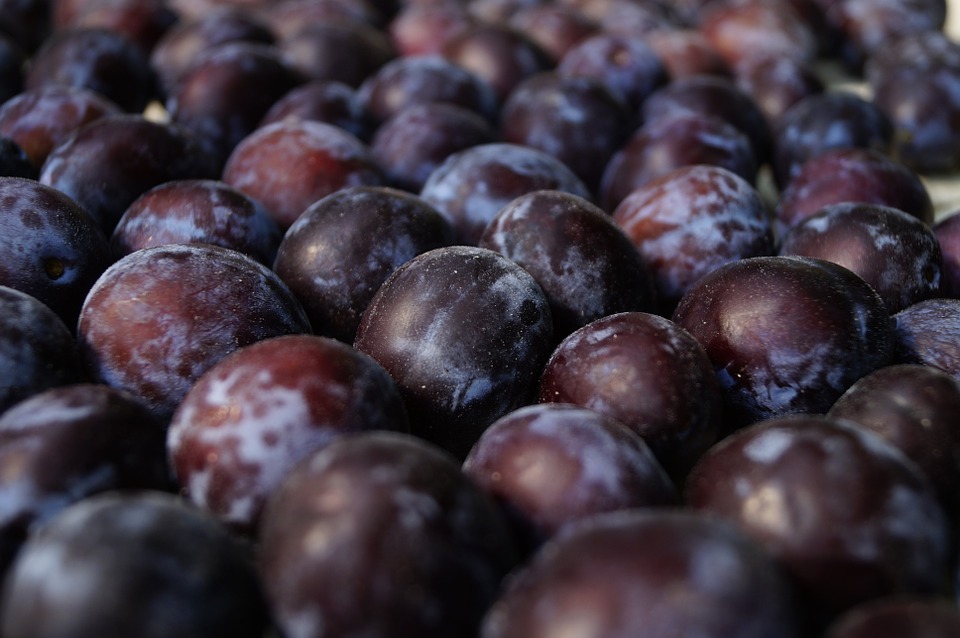
How Plums May Support Nervous System Function
The potential benefits of plums for the nervous system are primarily linked to their nutritional content rather than a direct pharmacological effect.
- Vitamin B6 (Pyridoxine): Plums contain Vitamin B6, an essential nutrient for the nervous system. Indeed, Vitamin B6 is a critical cofactor in the synthesis of several key neurotransmitters, including serotonin, dopamine, and gamma-aminobutyric acid (GABA). These chemicals are fundamental for regulating mood, sleep, and stress responses.
- Tryptophan: Furthermore, these fruits provide the amino acid tryptophan. The body uses tryptophan as a precursor to produce serotonin, often called the “feel-good” neurotransmitter. Adequate serotonin levels are associated with feelings of well-being and calmness.
- Antioxidant Protection: According to research published in the *Journal of Nutritional Biochemistry*, the polyphenols in plums, such as chlorogenic acid and anthocyanins, possess significant antioxidant properties. These compounds may help protect nerve cells from oxidative stress, a type of cellular damage implicated in age-related cognitive decline.
Immune System and Digestive Health Connection
A well-functioning immune system is intrinsically linked to gut health. Plums offer notable benefits in this area, which indirectly supports overall immunity.
- Dietary Fiber: Plums are an excellent source of both soluble and insoluble fiber. This fiber acts as a prebiotic, feeding beneficial gut bacteria. A healthy gut microbiome is essential for modulating immune responses.
- Sorbitol: They contain a natural sugar alcohol called sorbitol, which has a mild laxative effect. By promoting regular bowel movements, plums help the body efficiently eliminate waste and toxins, reducing the burden on the digestive and immune systems.
- Vitamin C: Additionally, plums are a good source of Vitamin C, a powerful antioxidant known for its crucial role in supporting various cellular functions of both the innate and adaptive immune systems.
Safe Preparation: A Simple Stewed Plum Compote
Instead of high-proof alcohol macerations, which can be inconsistent and pose safety risks, a simple stewed plum compote is a safe, effective, and traditional way to concentrate the fruit’s benefits.
Ingredients:
- 500 grams of fresh or dried plums (prunes), pitted
- 500 ml of water
- 1 cinnamon stick (optional, for flavor and its own benefits)
- 1-2 star anise pods (optional)
Instructions:
- Place the pitted plums, water, and optional spices into a saucepan.
- Bring the mixture to a gentle boil, then reduce the heat to a low simmer.
- Cover and let it simmer for 20-30 minutes, or until the plums are very soft and the liquid has thickened into a light syrup.
- Remove from heat and let it cool completely. You can mash the plums slightly with a fork for a smoother consistency.
- Store the compote in a clean, airtight glass jar in the refrigerator for up to two weeks.
Administration Protocol and Safety Limits
| Guideline | Recommendation |
|---|---|
| Recommended Daily Dose | For stewed compote: 2-4 tablespoons per day. For dried plums (prunes): 4-6 prunes per day. |
| Maximum Safe Dose | Exceeding 8-10 prunes or 6 tablespoons of compote daily may cause significant digestive upset. Start with a lower dose to assess tolerance. |
| Treatment Duration | Can be consumed regularly as part of a balanced diet. If used specifically for constipation, use for up to 14 days, then assess the need for continued use. |
| Administration Condition | Best consumed with a meal or in the evening. Always drink plenty of water throughout the day to support the fiber’s function and prevent dehydration. |
Specific Biological Limitation
High Sorbitol and Fiber Content: The primary limitation of plums is their high concentration of sorbitol and dietary fiber. While beneficial for constipation, this combination can be problematic for certain individuals. The sorbitol draws water into the colon, and the fiber adds bulk. In people with sensitive digestive systems, such as those with Irritable Bowel Syndrome (IBS) or FODMAP intolerance, this can trigger uncomfortable symptoms like gas, bloating, cramping, and diarrhea. Therefore, consumption must be carefully moderated.
Contraindications and Precautions
Absolute Contraindications:
- Allergy: Individuals with a known allergy to plums, prunes, or other fruits in the Rosaceae family (e.g., peaches, cherries, apricots) should avoid them.
- Fructose Malabsorption/FODMAP Intolerance: Plums are high in FODMAPs (fermentable oligosaccharides, disaccharides, monosaccharides, and polyols), which can cause severe digestive distress in sensitive individuals.
Vulnerable Populations:
- Pregnancy and Breastfeeding: Plums are generally considered safe when consumed as food in moderation. However, concentrated preparations should be used cautiously.
- Children: Safe for children in small, age-appropriate amounts. Introduce slowly to avoid digestive upset. One to two stewed plums is a suitable starting portion.
- Diabetes: While plums have a relatively low glycemic index, they still contain natural sugars. Dried plums (prunes) are more concentrated in sugar. Individuals with diabetes should monitor their blood sugar levels and account for plums in their carbohydrate intake.
Major Drug Interactions:
- Laxatives: Combining plums or prunes with prescribed or over-the-counter laxatives can have an additive effect, potentially leading to severe diarrhea, dehydration, and electrolyte imbalance. Consult a healthcare provider before combining them.
Therapeutic Alternatives
If plums are not suitable for you, consider these validated alternatives for similar benefits:
- For Digestive Regularity:
- Psyllium Husk: A soluble fiber that forms a gel in the intestines, effectively softening stool and promoting regularity with a lower risk of gas than some other fibers.
- Ground Flaxseed: Provides both soluble and insoluble fiber, along with beneficial omega-3 fatty acids.
- For Antioxidant & Immune Support:
- Elderberry (*Sambucus nigra*): Research indicates it may support the immune system, particularly for upper respiratory health. It is rich in anthocyanins, similar to plums.
- Rose Hips (*Rosa canina*): An excellent source of Vitamin C and other antioxidants, traditionally used as an immune tonic.
Recent Medical Research (2020-2026)
Recent studies continue to explore the health benefits of plums, moving beyond just digestive health.
- A 2021 review in the journal Nutrients highlighted the potential of dried plums to support bone health in postmenopausal women, likely due to their unique combination of minerals and phenolic compounds that may reduce bone resorption.
- Research published in the American Journal of Clinical Nutrition in 2021 suggested that daily consumption of prunes did not negatively impact cardiometabolic risk factors and may even improve HDL cholesterol levels in healthy postmenopausal women.
Current Limitations: While research on plums’ effects on mood and cognitive function is promising, most evidence is linked to their general antioxidant capacity. More direct clinical trials are needed to establish a clear cause-and-effect relationship for specific neurological conditions.
Specialist’s Summary
Plums and prunes are most reliably used for supporting digestive regularity due to their high fiber and sorbitol content. Their nutritional profile, rich in antioxidants and B vitamins, offers plausible secondary support for the immune and nervous systems, though this is less direct. They are contraindicated for individuals with FODMAP intolerance and should be used cautiously with laxatives. Validated alternatives include psyllium husk for digestion and elderberry for immune support.
Frequently Asked Questions
1. How many prunes should I eat for constipation?
For most adults, starting with 4-5 prunes per day, along with a large glass of water, is effective. You can gradually increase the amount if needed, but do not exceed 8-10 per day without consulting a healthcare provider to avoid adverse effects.
2. Can plums really improve my mood?
While plums contain nutrients like tryptophan and Vitamin B6 that are essential for producing mood-regulating neurotransmitters, they are not a treatment for depression or anxiety. Consuming them as part of a balanced diet can contribute to the overall nutritional status needed for healthy brain function, but they cannot replace medical treatment for mood disorders.
3. Are prunes better than fresh plums?
Both are beneficial. Prunes (dried plums) have a much higher concentration of fiber, sorbitol, and certain nutrients, making them more potent for digestive health. However, they are also much higher in sugar and calories. Fresh plums have higher water content and are lower in calories.
4. Is it safe to eat plums every day?
Yes, for most people, it is safe to eat a moderate amount of plums or prunes daily as part of a healthy diet. Listen to your body and adjust your intake based on your digestive tolerance.
Sources and References
- Stacewicz-Sapuntzakis, M., et al. (2021). Dried Plums and Their Products: Efficacy and Mechanisms of Action in Maintaining Bone Health. Nutrients, 13(6), 2057.
- Hooshmand, S., et al. (2021). The effect of two doses of dried plum on bone mineral density and bone biomarkers in osteopenic postmenopausal women: a randomized, controlled trial. The American Journal of Clinical Nutrition, 113(1), 197-206.
- Bhattacharya, A., et al. (2020). Antioxidant and neuroprotective properties of anthocyanin-rich extracts from purple-fleshed sweet potato and plums. Journal of Nutritional Biochemistry, 80, 108364.
⚠️ Important Medical Information
This article is for educational and informational purposes only and is not intended as medical advice, diagnosis, or treatment. The information provided about Plums (*Prunus domestica*) is based on traditional use, preliminary research, and available scientific evidence, which may be limited.
Before using Plums for therapeutic purposes:
- Consult a qualified healthcare provider, especially if you are pregnant, breastfeeding, taking medications, or have existing health conditions like IBS or diabetes.
- Do not use as a substitute for prescribed medications or professional medical treatment.
- Individual results may vary – what works for one person may not work for another.
- Monitor for adverse reactions, such as digestive distress, and discontinue or reduce use if negative symptoms occur.



