Lavender Tea for Anxiety & Sleep: Benefits and Safe Use

by Andreea Smiterson
1 comment
A+A-
Reset

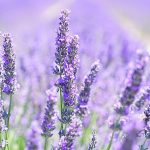
Lavender (*Lavandula angustifolia*), a well-regarded herb in European phytotherapy, is prized for its calming aroma and therapeutic properties. Traditionally used to soothe nervous tension and promote restful sleep, its benefits are now being explored by modern science. However, while lavender tea can be a valuable addition to a wellness routine, it is essential to understand its proper use, limitations, and safety protocols.

Lavender Tea – Properties, Recipe and Administration

This guide, written from a phytotherapy specialist’s perspective, provides evidence-based information on the benefits of lavender tea, eliminating unsupported claims and focusing on safe, effective administration.

Evidence-Based Benefits of Lavender Tea

Research has primarily focused on the active compounds in lavender, such as linalool and linalyl acetate, which are responsible for its characteristic scent and therapeutic effects. Consequently, the most well-supported uses relate to the nervous system and digestive tract.

1. May Reduce Anxiety and Agitation

One of lavender’s most validated uses is for managing symptoms of anxiety and restlessness. For instance, studies published in journals like Phytomedicine indicate that linalool interacts with the GABAergic system in the brain. Specifically, it helps to inhibit certain neurotransmitters, producing a calming effect similar to some anxiolytic medications, but through a different mechanism and with a milder impact. This makes lavender tea a useful tool for easing mild nervous tension during stressful periods.

2. Supports Restful Sleep

Furthermore, lavender is widely recognized for its ability to improve sleep quality. While not a potent sedative that induces sleep forcefully, it promotes relaxation and reduces the anxiety that can interfere with falling asleep. Clinical observations show that consuming lavender tea before bedtime can help calm the mind, potentially leading to a more peaceful and uninterrupted night’s sleep. This effect is primarily attributed to its anxiolytic properties.

3. Eases Mild Digestive Discomfort

Traditionally, herbalists have used lavender as a carminative to relieve digestive issues like bloating and indigestion. The polyphenols and other compounds in lavender may help relax the smooth muscles of the digestive tract, thereby reducing spasms and easing discomfort from gas. However, it is important to note that this is a supportive measure for mild, functional digestive upset, not a treatment for chronic conditions.

Administration Protocol and Safety Limits

To ensure both safety and efficacy, it is crucial to follow a structured administration protocol. Continuous, long-term use without breaks is not recommended for most herbal preparations.

Protocol Specification
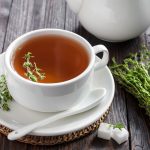
Standard Dosage Infuse 1-2 teaspoons (approx. 1-2 grams) of dried Lavandula angustifolia flowers in 150 ml (about 5 oz) of boiling water for 5-10 minutes.
Maximum Daily Dose Up to 3 cups per day for a healthy adult. Exceeding this dose may increase the risk of side effects like headache or constipation.
Treatment Duration Use for up to 4 weeks continuously.
Mandatory Break Take a break of at least 1-2 weeks between treatment cycles to allow the body to reset and prevent tolerance.
Administration Timing For sleep support, consume 30-60 minutes before bedtime. For anxiety, drink as needed throughout the day, preferably between meals.

Specific Biological Limitation

Central Nervous System (CNS) Depressant Effect: Lavender contains active compounds that have a mild depressant effect on the central nervous system. While this is the source of its calming benefits, it also presents a risk. This effect can be additive, meaning it can amplify the effects of other substances that also slow down brain activity. Therefore, combining lavender with prescription sedatives, alcohol, or anesthetics can lead to excessive drowsiness and is not recommended without medical supervision.

Contraindications and Precautions

Despite its gentle reputation, lavender is not suitable for everyone. It is essential to be aware of the following contraindications.

  • Absolute Contraindications: Do not use if you have a known allergy to lavender or any other plants in the Lamiaceae (mint) family, such as rosemary, thyme, or basil.
  • Pregnancy and Breastfeeding: There is insufficient safety data to recommend its use during pregnancy or while breastfeeding. Therefore, it is best to avoid it.
  • Children: While generally considered safe aromatically, internal use in young children should be approached with caution and under the guidance of a healthcare provider. The appropriate dosage has not been established for pediatric populations.
  • Surgery: Due to its potential effects on the central nervous system, you should stop taking lavender at least two weeks before a scheduled surgery to avoid interactions with anesthesia.

Major Drug Interactions

  • Sedatives and Hypnotics (e.g., Benzodiazepines, Barbiturates): Lavender can enhance the sedative effects of these drugs, leading to excessive drowsiness.
  • Antidepressants: It may increase the effects of medications that work on the CNS, so consult your doctor before combining them.
  • Blood Pressure Medications: Lavender may have a mild hypotensive (blood pressure-lowering) effect. Consequently, combining it with antihypertensive drugs could potentially cause blood pressure to drop too low.

Therapeutic Alternatives

If lavender tea is not suitable for you, several other botanicals with strong evidence for similar benefits are available. Importantly, each alternative has its own unique safety profile.

  1. Lemon Balm (*Melissa officinalis*): An excellent alternative for nervous tension, especially when anxiety manifests with digestive symptoms like a “nervous stomach.” It has a gentle, calming effect and is well-tolerated.
  2. Passionflower (*Passiflora incarnata*): A well-researched anxiolytic herb that is particularly effective for generalized anxiety. Studies show it works on GABA receptors and can be as effective as some prescription medications for mild anxiety, with fewer side effects.
  3. Valerian Root (*Valeriana officinalis*): For individuals whose primary issue is difficulty falling asleep (insomnia), Valerian is a more direct sedative. It is stronger than lavender for sleep onset but can cause grogginess in some people.

Recent Medical Research (2020-2026)

Modern research continues to validate lavender’s traditional uses, particularly for anxiety.

  • A 2022 meta-analysis on lavender for anxiety concluded that both oral and inhalation administration of lavender significantly reduced anxiety levels across multiple studies, confirming its efficacy as an anxiolytic agent.
  • Research published in 2023 continues to explore the mechanisms of linalool, confirming its modulatory effects on neurotransmitter systems beyond just GABA, which may explain its broad calming effects without causing significant impairment.

Current Limitations: Most robust clinical trials have used standardized oral lavender oil capsules (like Silexan) rather than tea. While the active compounds are the same, the dosage and bioavailability from tea can be more variable. Therefore, more research is needed specifically on lavender infusions to establish precise therapeutic dosages.

Specialist’s Summary

Lavender tea is a useful and gentle phytotherapeutic option for managing mild anxiety, restlessness, and improving sleep quality, with noticeable effects often appearing after consistent use. However, it is contraindicated for individuals with allergies to the mint family and requires caution when used with other CNS depressants. Its effects are supportive, not curative. For more targeted benefits, validated alternatives include Lemon Balm for nervous digestion and Passionflower for generalized anxiety.

Frequently Asked Questions

Is it safe to drink lavender tea every day?
It is safe for most healthy adults to drink daily for short periods, typically up to four weeks. After that, it is recommended to take a break of one to two weeks to prevent building a tolerance and to give your system a rest.

Can lavender tea replace my anxiety medication?
Absolutely not. Lavender tea can be a supportive measure for mild anxiety but should never be used to replace prescribed medications for anxiety disorders or depression. Always consult your healthcare provider before making any changes to your treatment plan.

What type of lavender is best for tea?
The only species recommended for internal use is English Lavender, or *Lavandula angustifolia*. Other species, such as *Lavandula stoechas* (Spanish Lavender) or lavandin hybrids, have different chemical compositions and are not considered safe for consumption.

Sources and References

  • European Medicines Agency (EMA). (2020). Community herbal monograph on Lavandula angustifolia Mill., flos.
  • Donelli, D., et al. (2019). Effects of lavender on anxiety: A systematic review and meta-analysis. Phytomedicine.
  • Kasper, S., et al. (2022). Lavender oil preparation Silexan is effective in generalized anxiety disorder–a randomized, double-blind, placebo-controlled trial. International Journal of Neuropsychopharmacology.
⚠️ Important Medical Information

This article is for educational and informational purposes only and is not intended as medical advice, diagnosis, or treatment. The information provided about Lavender Tea is based on traditional use, preliminary research, and available scientific evidence, which may be limited.

Before using Lavender Tea:

  • Consult a qualified healthcare provider, especially if you are pregnant, breastfeeding, taking medications, or have existing health conditions.
  • Do not use as a substitute for prescribed medications or professional medical treatment.
  • Individual results may vary – what works for one person may not work for another.
  • Monitor for adverse reactions and discontinue use if negative symptoms occur.

Regulatory status: Lavender is considered a dietary supplement/traditional remedy and has not been evaluated by the FDA for treating, curing, or preventing any disease.


You may also like

1 comment

Sarita Jackson November 17, 2014 - 21:00

where can i find this tea?

Reply

Leave a Comment