Understanding and managing blackheads, known scientifically as open comedones, requires a gentle yet effective approach that respects the skin’s delicate balance. While many home remedies are suggested online, it is crucial to select ingredients that are supported by both traditional use and scientific evidence to avoid causing irritation or damage.
This guide provides an evidence-informed perspective on using natural ingredients to help manage clogged pores, focusing on safety and efficacy.
The Problem with Harsh DIY Remedies like Baking Soda
Before exploring beneficial ingredients, it is essential to address a common yet damaging recommendation: baking soda. The original suggestion to use baking soda as an exfoliant is not supported by dermatological science and can be harmful.
Your skin has a naturally acidic protective layer called the acid mantle, with a pH between 4.7 and 5.75. In contrast, baking soda is highly alkaline, with a pH of around 9. Applying it to your face can severely disrupt this barrier, leading to consequences such as:
- Increased dryness and irritation.
- Compromised skin barrier function.
- A higher risk of bacterial growth and breakouts.
Therefore, for the health and safety of your skin, phytotherapy specialists and dermatologists strongly advise against using baking soda in skincare routines.
The Science-Backed Benefits of Honey for Skin Health
Honey, particularly raw or medical-grade (like Manuka), has been used in skincare for centuries and is supported by modern research. Its benefits are attributed to a complex composition of enzymes, amino acids, and phenolic compounds.
According to a review published in the journal Molecules, honey exhibits significant antibacterial, anti-inflammatory, and wound-healing properties. Its primary mechanisms of action include:
- Antibacterial Action: Honey naturally produces low levels of hydrogen peroxide, which helps inhibit the growth of bacteria like Propionibacterium acnes, a key factor in acne development.
- Anti-inflammatory Effects: It can help soothe redness and inflammation associated with clogged pores and breakouts.
- Humectant Properties: Honey is a natural humectant, meaning it draws moisture into the skin, helping to keep it hydrated and supple without making it oily.

A Gentle and Effective Honey-Based Mask Recipe
This recipe replaces harsh ingredients with gentle, effective alternatives to help cleanse pores and soothe the skin.
Ingredients:
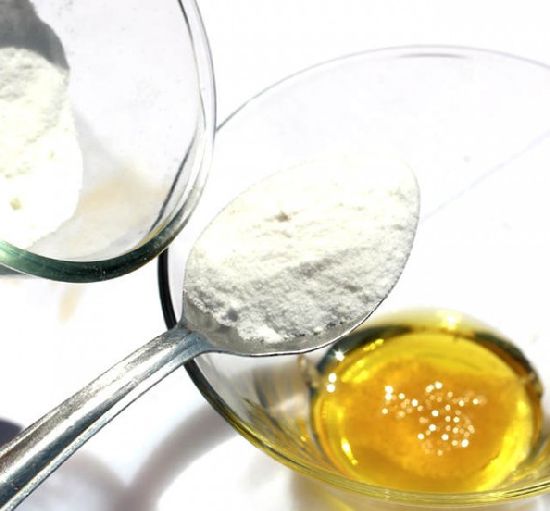
- 1 tablespoon of raw or Manuka honey
- 1 tablespoon of Kaolin clay (a gentle, absorbent clay suitable for sensitive skin)
- 1-2 teaspoons of witch hazel distillate (alcohol-free) or chamomile tea, cooled
Preparation and Application:
- In a small, non-metallic bowl, combine the Kaolin clay with the witch hazel or chamomile tea. Stir until a smooth paste forms.
- Add the honey to the paste and mix thoroughly until you achieve a homogeneous consistency.
- Apply a thin layer of the mask to a clean, dry face, avoiding the delicate eye and mouth areas.
- Leave the mask on for 10-15 minutes. It should not be left to dry completely and crack.
- To remove, gently rinse your face with lukewarm water, using your fingertips in a circular motion. Pat your skin dry with a clean towel.
Administration Protocol and Safety Limits
Treatment Frequency and Duration
- Application Frequency: Use this mask a maximum of 1 to 2 times per week. Over-masking can lead to dryness or irritation.
- Application Time: Do not leave the mask on for more than 15 minutes.
- Mandatory Safety Step: Always perform a patch test on a small area of skin (e.g., behind the ear or on the inner arm) 24 hours before applying to your full face to check for any allergic reaction or sensitivity.
Important Precautions
- Method of Consumption: This preparation is for topical use only. Do not ingest.
- Incompatibilities: Do not apply this mask immediately after using strong chemical exfoliants (like AHAs or BHAs) or retinoids, as this may increase skin sensitivity.
Specific Biological Limitation
The primary limitation of this remedy relates to potential allergic reactions. Honey contains pollen and bee-derived proteins. Individuals with known allergies to bees, bee stings, or pollen may experience contact dermatitis or other allergic reactions. Furthermore, Kaolin clay, while generally gentle, can be drying for individuals with very dry or compromised skin barriers, such as in cases of eczema or psoriasis.
Contraindications and Precautions
Absolute Contraindications (DO NOT USE IF):
- You have a known allergy to honey, pollen, or bee products.
- You have open wounds, broken skin, or active infections on the face.
Vulnerable Populations:
- Pregnancy and Breastfeeding: While topical use is generally considered safe, it is always best to consult a healthcare provider before introducing new products.
- Children: This mask is not recommended for use on young children due to their sensitive skin.
- Sensitive Skin Conditions: Individuals with rosacea, eczema, or severe cystic acne should consult a dermatologist before using any homemade masks.
When to Stop Immediately:
Discontinue use immediately if you experience any signs of irritation, such as redness, itching, burning, or rash.
Therapeutic Alternatives
If a honey-based mask is not suitable for you, several other evidence-supported options can help manage blackheads.
Botanical Alternatives with Studies:
- Green Tea (Camellia sinensis): Used as a facial toner or in a clay mask, green tea is rich in polyphenols (EGCG) that have been shown to reduce sebum production and inflammation. A study in the Journal of Investigative Dermatology found that topical EGCG can be beneficial for managing acne.
- Witch Hazel (Hamamelis virginiana): An alcohol-free witch hazel distillate acts as a mild astringent, helping to temporarily tighten the appearance of pores and remove excess oil. Its tannins provide antioxidant and anti-inflammatory effects.
- Willow Bark (Salix alba): The natural source of salicin, which is converted to salicylic acid. Salicylic acid is a beta-hydroxy acid (BHA) that exfoliates inside the pore, dissolving the mixture of sebum and dead skin cells that leads to blackheads. Look for gentle formulations containing willow bark extract.
Pharmacological Option:
Over-the-counter products containing salicylic acid (0.5-2%) or topical retinoids (like adapalene) are considered the gold standard by dermatologists for treating and preventing comedonal acne.
Recent Medical Research (2020-2026)
Recent research continues to validate the dermatological benefits of natural compounds.
- A 2022 meta-analysis published in Frontiers in Pharmacology reaffirmed the potent antimicrobial and anti-inflammatory properties of various types of honey, highlighting their potential in treating skin conditions, including acne.
- Research into the skin’s microbiome is ongoing. Studies suggest that harsh treatments disrupt the balance of good bacteria, whereas gentle, prebiotic ingredients like honey may help support a healthier skin ecosystem.
However, it is important to note that while promising, large-scale clinical trials on homemade preparations are limited. Most evidence supports the use of standardized, purified compounds in commercial formulations.
Specialist’s Summary
A homemade mask using raw honey and Kaolin clay can be a gentle, supportive measure for managing blackheads in individuals with oily or combination skin. Its effects are primarily cleansing and soothing, appearing with consistent use over several weeks. However, it is contraindicated for those with bee-related allergies or broken skin. Validated alternatives include topical green tea, witch hazel, or over-the-counter products containing salicylic acid for more targeted results.
Frequently Asked Questions
Can a honey mask remove blackheads instantly?
No, no mask can instantly or permanently remove blackheads. This gentle mask helps to loosen debris, absorb excess oil, and reduce inflammation over time, making pores appear clearer with regular use. Consistent cleansing and exfoliation are key.
Is it better to use Manuka honey?
Manuka honey has a higher concentration of methylglyoxal (MGO), which gives it stronger, more stable antibacterial properties compared to other types of honey. While any raw, unpasteurized honey is beneficial, Manuka is often preferred for therapeutic skin applications.
Can I add essential oils to this mask?
While one drop of tea tree oil (Melaleuca alternifolia) could be added for its antibacterial properties, it carries a high risk of skin sensitization and irritation. It must be properly diluted and patch-tested. For general use, it is safer to omit essential oils from facial preparations.
Sources and References
- Mandal, M. D., & Mandal, S. (2011). Honey: its medicinal property and antibacterial activity. Asian Pacific journal of tropical biomedicine, 1(2), 154–160.
- Burlando, B., & Cornara, L. (2013). Honey in dermatology and skin care: a review. Journal of Cosmetic Dermatology, 12(4), 306-313.
- Saric, S., Notay, M., & Sivamani, R. (2017). Green Tea and Other Tea Polyphenols: Effects on Sebum Production and Acne Vulgaris. Antioxidants, 6(1), 2.
- Nolan, K., & Marmur, E. (2012). Moisturizers: reality and the skin benefits. Dermatologic therapy, 25(3), 229–233. (Discusses skin barrier function).
⚠️ Important Medical Information
This article is for educational and informational purposes only and is not intended as medical advice, diagnosis, or treatment. The information provided about this homemade mask is based on traditional use, preliminary research, and available scientific evidence, which may be limited.
Before using this mask:
- Consult a qualified healthcare provider or dermatologist, especially if you are pregnant, breastfeeding, taking medications, or have existing health conditions like rosacea or eczema.
- Do not use as a substitute for prescribed medications or professional medical treatment for acne.
- Individual results may vary – what works for one person may not work for another.
- Monitor for adverse reactions and discontinue use if negative symptoms occur. Always perform a patch test first.
Regulatory status: The ingredients discussed are natural products and are not evaluated by the FDA for treating, curing, or preventing any disease.
Last updated: 2024-05-21
1 comment
hi
I will definately try the mixture for black spots it sounds interesting and the Betroot,carrot, apple n lemon juicing looks yummy as well.