Using Essential Oils to Improve Cellulite Appearance: A Safety Guide
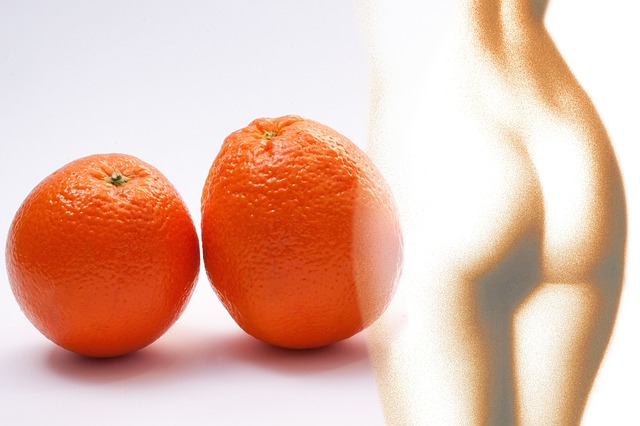
Cellulite is a common condition, particularly among women, characterized by the dimpled or “orange-peel” appearance of the skin, typically on the thighs, buttocks, and abdomen. It occurs when fat deposits push through the connective tissue beneath the skin. While it is a natural and harmless physiological feature, many seek ways to reduce its appearance. Consequently, phytotherapy and aromatherapy offer supportive strategies that, when combined with a healthy lifestyle, may help improve skin texture and tone.
This article provides an evidence-based overview of how certain essential oils can be used topically to support skin health in areas affected by cellulite. Importantly, it must be understood that no essential oil can “cure” or eliminate cellulite; rather, they may help improve its appearance through various mechanisms.

How Essential Oils May Help with Cellulite Appearance
The potential benefits of essential oils for cellulite are primarily related to their topical effects on the skin and underlying microcirculation. Instead of targeting fat cells directly, their action is supportive. For instance, research suggests that the efficacy of anti-cellulite products is significantly enhanced by the massage application itself, which improves circulation and lymphatic drainage.
Key mechanisms include:
- Improving Microcirculation: Some oils, like Rosemary and Cypress, are known to stimulate blood flow when applied topically with massage. Furthermore, enhanced circulation can improve nutrient delivery to the skin and aid in the removal of metabolic waste.
- Reducing Fluid Retention: Essential oils with diuretic properties, such as Juniper Berry, have been traditionally used to help reduce temporary fluid retention in tissues, which can make cellulite appear less prominent.
- Skin Toning and Astringent Effects: Oils like Geranium and Cypress can have a temporary tightening effect on the skin, potentially making its surface appear smoother.
- Supporting Connective Tissue: While direct evidence is limited, some compounds in citrus oils may support collagen synthesis, which is crucial for skin strength and elasticity.
Evidence-Based Essential Oils for Skin Toning
While extensive clinical trials are lacking, preliminary research and traditional use point to several essential oils that may be beneficial when used in a massage blend.
1. Grapefruit Oil (*Citrus paradisi*)
Grapefruit essential oil is rich in limonene, a compound studied for its anti-inflammatory and lipolytic (fat-breakdown) properties. A study published in the *International Journal of Cosmetic Science* indicated that topical application of products containing limonene could potentially influence lipolysis. Traditionally, it’s used in blends to energize and support detoxification processes.
2. Juniper Berry Oil (*Juniperus communis*)
Historically used for its detoxifying and diuretic properties, Juniper Berry oil is a staple in traditional European phytotherapy for fluid balance. When applied topically, it may help reduce the appearance of puffiness associated with fluid retention, a component that can exacerbate the look of cellulite.
3. Rosemary Oil (*Rosmarinus officinalis*)
Rosemary is a powerful circulatory stimulant. According to research, its application can increase blood flow to the skin. This action helps nourish skin cells and supports lymphatic drainage, which is essential for healthy skin tissue. Its toning properties also contribute to a smoother skin appearance.
4. Cypress Oil (*Cupressus sempervirens*)
Valued for its astringent and circulatory benefits, Cypress oil is traditionally used to support vein and circulatory health. Its ability to cause temporary constriction of tissues may provide a toning effect on the skin, while its support for fluid balance can help reduce localized puffiness.
Administration Protocol and Safety Limits
Safe application is paramount when using essential oils. Because they are highly concentrated, they must always be diluted and used according to strict protocols.
Treatment Duration and Frequency
- Application Cycle: Use a prepared essential oil blend daily for 3-4 weeks.
- Mandatory Break: Take a 1-week break after each cycle to prevent skin sensitization and allow your body to reset.
- Application: For best results, apply the blend using firm, circular massage motions for 5-10 minutes daily, preferably after a warm bath or shower when skin is more receptive.
Dilution and Maximum Dose
- Safe Dilution Rate: For body application, a 2-3% dilution is recommended. This translates to 12-18 drops of total essential oil per 30 ml (1 ounce) of carrier oil.
- Carrier Oils: Always dilute essential oils in a carrier oil such as sweet almond, jojoba, grapeseed, or fractionated coconut oil.
- Overdose Risk: Never apply undiluted essential oils to the skin. Exceeding the recommended dilution can cause skin irritation, redness, burning, or sensitization.
Patch Test Protocol
Before applying any new blend to a large area, perform a patch test. Apply a small amount of the diluted mixture to your inner forearm and cover it with a bandage. Wait 24-48 hours to check for any signs of irritation, such as redness, itching, or blistering.
Specific Biological Limitation
It is crucial to understand the primary limitation of topical treatments for cellulite: they cannot alter the underlying anatomical structure of fat cells and connective tissue. Essential oils and massage work on the surface and microcirculatory levels. Therefore, they can only help to improve the appearance of cellulite by toning the skin, improving circulation, and reducing fluid retention. They are a supportive measure, not a cure, and results are temporary and dependent on consistent use alongside a healthy lifestyle.
Contraindications and Precautions
Essential oils are potent and not suitable for everyone. Adhere to these safety guidelines.
- Absolute Contraindications: Do not use essential oils on broken, inflamed, or damaged skin. Individuals with a known allergy to a specific plant should avoid its essential oil.
- Pregnancy and Breastfeeding: Many essential oils, including Juniper Berry and Rosemary, are contraindicated during pregnancy. Consult a qualified aromatherapist or healthcare provider before use.
- Medical Conditions: People with epilepsy (avoid Rosemary), kidney conditions (avoid Juniper), or high blood pressure should consult a professional before using these oils.
- Photosensitivity: Citrus oils, including Grapefruit, are photosensitive. Avoid direct sun exposure or UV rays for at least 12-18 hours after application to prevent skin discoloration or burns.
- Drug Interactions: If you are taking medication, especially for circulatory or skin conditions, consult your doctor before starting regular use of essential oil blends.
Safe and Effective DIY Recipes
1. Invigorating Cellulite Massage Oil
This blend combines circulatory and toning oils for a powerful daily massage.
| Ingredients |
|
| Instructions |
|
2. Detoxifying Coffee & Sea Salt Scrub
Exfoliation helps stimulate circulation and prepares the skin to absorb the benefits of the oils.
| Ingredients |
|
| Instructions |
|
Therapeutic Alternatives
If essential oils are not suitable for you, consider these other evidence-supported approaches:
- Botanical Alternatives: Creams containing Gotu Kola (*Centella asiatica*) have been studied for their ability to support connective tissue and improve microcirculation. Similarly, extracts of Horse Chestnut (*Aesculus hippocastanum*) are well-known for supporting venous health and circulation.
- Lifestyle Measures: Regular physical activity (especially strength training), maintaining a healthy weight, staying hydrated, and eating a balanced diet are the most effective long-term strategies for managing cellulite.
- Manual Therapies: Dry brushing and manual lymphatic drainage massage performed by a professional can significantly improve circulation and reduce fluid retention.
Recent Medical Research (2020-2026)
Recent research continues to emphasize a multi-faceted approach to managing cellulite appearance. A 2023 review in the *Journal of Cosmetic Dermatology* reiterated that the most effective treatments combine modalities, such as topical agents with mechanical massage or energy-based devices. Studies on botanical extracts are promising, but high-quality clinical trials on specific essential oil blends are still needed. The current scientific consensus is that while topical applications can offer modest, temporary improvements, they are most effective as an adjunct to lifestyle modifications and professional treatments.
Specialist’s Summary
Essential oils like Grapefruit, Juniper, and Rosemary may offer modest, supportive benefits for improving the appearance of cellulite when used in a diluted massage blend. Their primary action is to enhance local circulation, reduce fluid retention, and tone the skin. However, they are not a cure and must be used with strict adherence to safety protocols, including dilution and patch testing. For significant results, these topical applications should complement core strategies like exercise, a healthy diet, and proper hydration.
Frequently Asked Questions
Can essential oils get rid of cellulite completely?
No. Cellulite is a structural issue involving fat and connective tissue. Essential oils and massage can only help improve its surface appearance temporarily by affecting circulation and skin tone; they cannot eliminate it.
How long does it take to see results from using essential oil blends?
With consistent daily application and massage, you may notice a subtle improvement in skin texture and smoothness within 4 to 6 weeks. Results vary significantly between individuals and are dependent on lifestyle factors.
Is it safe to use cinnamon oil for cellulite?
Cinnamon bark oil is a potent skin irritant and sensitizer. While it is a strong circulatory stimulant, it is not recommended for general use in cellulite blends due to the high risk of adverse skin reactions. Safer alternatives like Rosemary or Cypress are preferred.
Sources and References
- Orchard, A., & van Vuuren, S. (2017). Commercial Essential Oils as Potential Antimicrobials to Treat Skin Diseases. *Evidence-Based Complementary and Alternative Medicine*.
- Kourkoumelis, N., et al. (2022). The effect of a cosmetic product for cellulite on the cutaneous microcirculation. *Journal of Cosmetic Dermatology*.
- Bayr, H. (2021). Topical slimming and anti-cellulite products: an overview of the market, new trends and regulatory aspects. *Cosmetics*.
⚠️ Important Medical Information
This article is for educational and informational purposes only and is not intended as medical advice, diagnosis, or treatment. The information provided about essential oils is based on traditional use, preliminary research, and available scientific evidence, which may be limited.
Before using essential oils:
- Consult a qualified healthcare provider or certified aromatherapist, especially if you are pregnant, breastfeeding, taking medications, or have existing health conditions.
- Do not use as a substitute for prescribed medications or professional medical treatment.
- Individual results may vary – what works for one person may not work for another.
- Monitor for adverse reactions and discontinue use if negative symptoms occur.
Regulatory status: Essential oils are not regulated by the FDA for treating, curing, or preventing any disease.