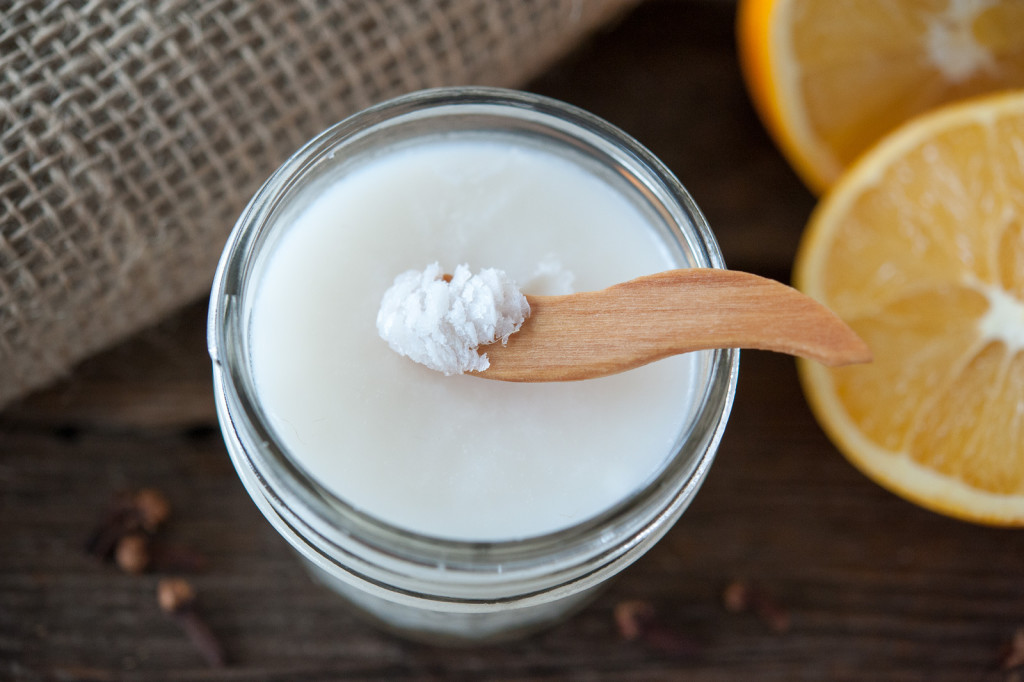
Many individuals seek alternatives to commercial deodorants, often due to concerns about ingredients like aluminum compounds or a preference for natural formulations. A popular homemade option utilizes the antimicrobial and absorbent properties of botanical ingredients. However, it is crucial to understand both the benefits and the potential risks to ensure safe use.
This guide provides an evidence-based recipe for a natural deodorant, explains the scientific mechanism of its ingredients, and outlines essential safety protocols to prevent skin irritation.

Understanding Deodorants vs. Antiperspirants
It is important to distinguish between two types of products. Antiperspirants work by temporarily blocking sweat ducts, typically using aluminum-based compounds, to reduce the amount of sweat that reaches the skin’s surface. In contrast, deodorants do not stop perspiration. Instead, they aim to control body odor by targeting the bacteria that break down sweat into odorous compounds.
This homemade recipe functions as a deodorant. Perspiration is a natural and necessary bodily function for thermoregulation and detoxification, and this formulation allows that process to continue unimpeded while addressing the resulting odor.
Evidence-Based Natural Deodorant Recipe
This recipe yields a supply that can last for up to three months with daily use. The key is to create a firm, paste-like consistency that is easy to apply.
Ingredients:
- 6 tablespoons of solid, unrefined coconut oil: Acts as the base and provides antimicrobial properties.
- 4 tablespoons (60g) of arrowroot powder or cornstarch: Absorbs moisture.
- 2 tablespoons (30g) of baking soda (sodium bicarbonate): Neutralizes odor. (Note: This is a reduced amount to minimize irritation. See safety protocols below).
- Optional: 5-10 drops of essential oil: For fragrance and added antimicrobial effect (e.g., tea tree, lavender, or sage oil).
Preparation Method:
- Ensure the coconut oil is in a solid but malleable state. If it is liquid, refrigerate it for 15-20 minutes.
- In a clean bowl, combine the arrowroot powder (or cornstarch) and the baking soda. Mix these dry ingredients thoroughly.
- Gradually add the solid coconut oil to the dry mixture. Use a fork or a hand mixer on a low setting to blend the ingredients until a smooth, thick paste is formed.
- If you choose to use essential oils, add them now and mix well to ensure even distribution.
- Transfer the final mixture into a clean, wide-mouthed glass jar with a tight-fitting lid. For easier application, you can also transfer it into an empty, clean deodorant stick container.
- Store the deodorant in a cool, dry place. Note that coconut oil melts at approximately 24°C (76°F), so it may soften or liquefy in warmer temperatures. Refrigeration can help maintain its solid state.
Administration Protocol and Safety Limits
Proper application and safety checks are essential to prevent adverse reactions, particularly due to the alkaline nature of baking soda.
Mandatory Patch Test
Before applying the deodorant to your underarms, you must perform a patch test. Apply a small amount to a discreet area of skin, such as the inner elbow. Wait 24-48 hours and monitor for any signs of redness, itching, burning, or rash. If any irritation occurs, discontinue use immediately.
Application and Dosage
- Quantity: Use only a small, pea-sized amount for each underarm. Over-application can increase the risk of irritation.
- Frequency: Apply once daily to clean, dry skin. You may reapply after intense physical activity if needed, but do not apply to irritated or broken skin.
- Method: Warm the small amount between your fingertips to soften it, then gently massage it into the skin until fully absorbed. Do not apply immediately after shaving when the skin is most sensitive.
Specific Biological Limitation: The Risk of Baking Soda
The primary safety concern with this formulation is the high pH of baking soda (sodium bicarbonate). Your skin has a naturally acidic protective barrier known as the “acid mantle,” with a pH typically between 4.5 and 5.5. This acidity is crucial for protecting against harmful bacteria and maintaining moisture.
Mechanism of Irritation: Baking soda has an alkaline pH of around 8.3. Consequently, regular application can disrupt the skin’s acid mantle. This disruption can strip the skin of its natural oils, leading to dryness, inflammation, redness, and a burning sensation. For some individuals, it can also cause post-inflammatory hyperpigmentation (darkening of the skin).
Contraindications and Precautions
This homemade deodorant is not suitable for everyone. Adhering to these warnings is critical for skin health.
- Absolute Contraindications: Do not use this deodorant if you have a known allergy to coconut, corn, or any other ingredient. It is strictly forbidden for use on broken, damaged, or already irritated skin.
- Sensitive Skin: Individuals with a history of eczema, psoriasis, or generally sensitive skin should avoid formulations containing baking soda entirely.
- Adverse Effects: The most common side effects include redness, itching, a persistent rash, and skin darkening. If you experience any of these, stop using the product immediately.
- When to Stop Immediately: Discontinue use at the first sign of discomfort, rash, or burning. Do not attempt to “push through” an adjustment period, as this can cause significant skin damage.
Therapeutic Alternatives for Sensitive Skin
If you find the baking soda formulation irritating, several effective and gentler alternatives are available.
- Magnesium Hydroxide: This compound is an excellent substitute for baking soda in DIY recipes. It is also alkaline, which inhibits odor-causing bacteria, but it is significantly gentler on the skin and does not typically disrupt the acid mantle as aggressively. Use it in a 1:1 replacement for baking soda in the recipe above.
- Witch Hazel (Hamamelis virginiana) Spray: Witch hazel extract is a natural astringent with mild antimicrobial properties. A simple spray made from alcohol-free witch hazel and a few drops of sage essential oil can serve as an effective liquid deodorant. Its use for skin toning and reducing inflammation is well-established in traditional herbalism.
- Topical Sage (Salvia officinalis): Traditionally used for its antihidrotic (sweat-reducing) properties, sage can be beneficial. According to the European Medicines Agency (EMA) monograph on Salvia officinalis, it is traditionally used to relieve excessive sweating. A cooled sage tea infusion can be applied topically with a cotton pad.
Recent Medical Research (2020-2026)
While large-scale clinical trials on DIY deodorant recipes are limited, research on the individual ingredients supports their mechanisms of action.
- Coconut Oil: A 2020 study published in the Journal of Dermatological Science reaffirmed the potent antimicrobial activity of lauric acid, the primary fatty acid in coconut oil, against various skin pathogens, including bacteria that contribute to body odor.
- Skin pH: Research continues to emphasize the importance of maintaining the skin’s acid mantle. A 2022 review in the International Journal of Cosmetic Science highlighted how repeated exposure to alkaline substances can compromise skin barrier function, increasing transepidermal water loss and susceptibility to irritants. This reinforces the cautions regarding baking soda.
Current Limitations: There is a clear lack of formal clinical studies comparing the efficacy and safety of homemade deodorant recipes against commercial products. Therefore, their use is based on the known properties of their ingredients rather than on robust clinical trial data.
Specialist’s Summary
This homemade deodorant can be an effective natural option for controlling body odor, primarily due to the antimicrobial action of coconut oil and the neutralizing effect of baking soda. However, it carries a significant risk of skin irritation from baking soda’s high pH, which can damage the skin’s protective barrier. A mandatory patch test is non-negotiable, and gentler alternatives like magnesium hydroxide or witch hazel are strongly recommended for anyone with sensitive skin.
Frequently Asked Questions
Why did my homemade deodorant cause a dark rash?
This is likely post-inflammatory hyperpigmentation, a condition where the skin produces excess melanin in response to irritation or inflammation. The most common cause in this recipe is the alkaline pH of baking soda disrupting your skin’s acid mantle. You should stop using it immediately.
Can I make this deodorant without baking soda?
Yes, and it is highly recommended for sensitive skin. You can replace the baking soda with an equal amount of magnesium hydroxide powder, which provides similar odor-neutralizing benefits but is much gentler on the skin.
Will this natural deodorant stop me from sweating?
No. This is a deodorant, not an antiperspirant. It is designed to neutralize the odor caused by bacteria breaking down sweat, but it will not block your sweat glands or reduce the amount you perspire.
Sources and References
- Lin, T. K., Zhong, L., & Santiago, J. L. (2017). Anti-Inflammatory and Skin Barrier Repair Effects of Topical Application of Some Plant Oils. International journal of molecular sciences, 19(1), 70. (Provides background on coconut oil’s properties).
- European Medicines Agency (EMA). (2016). European Union herbal monograph on Salvia officinalis L., folium. EMA/HMPC/66744/2015.
- Proksch, E. (2018). pH in nature, humans and skin. The Journal of dermatology, 45(9), 1044–1052. (Discusses the importance of the skin’s acid mantle).
⚠️ Important Medical Information
This article is for educational and informational purposes only and is not intended as medical advice, diagnosis, or treatment. The information provided about this homemade deodorant recipe is based on the known properties of its ingredients and traditional use, but scientific evidence for the combined formulation is limited.
Before using this homemade deodorant:
- Consult a qualified healthcare provider or dermatologist, especially if you have sensitive skin, existing skin conditions, or are pregnant or breastfeeding.
- Do not use as a substitute for professional medical treatment for conditions like hyperhidrosis (excessive sweating).
- Individual results may vary – what works for one person may cause irritation in another.
- Always perform a patch test and monitor for adverse reactions. Discontinue use immediately if negative symptoms occur.
Regulatory status: The ingredients in this recipe are generally regarded as safe for their intended culinary or cosmetic use, but the final product has not been evaluated by the FDA or any other regulatory body for safety or efficacy.