Cucumber Water for Hydration: Recipe and Potential Health Benefits

by Postolache Ana Maria
0 comments
A+A-
Reset

Cucumber water is often promoted as a refreshing beverage for supporting health goals. While claims about “detoxification” and rapid weight loss are overstated, this simple infusion is an excellent tool for enhancing hydration, which is fundamental to overall well-being. As a phytotherapy specialist, it is important to distinguish between scientifically supported benefits and popular myths.

Primarily, cucumber water serves as a palatable alternative to plain water, encouraging increased fluid intake. The body has highly efficient detoxification systems, namely the liver and kidneys, and staying adequately hydrated is one of the best ways to support their function. Therefore, instead of viewing cucumber water as a “detox” agent, it is more accurately described as a supportive element for the body’s natural processes.

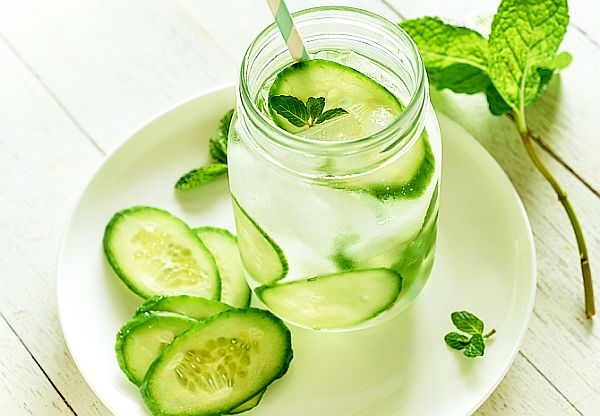
A glass pitcher of cucumber water with lemon and mint

Cucumber water offers a refreshing way to stay hydrated.

Evidence-Based Benefits of Cucumber Water

The advantages of cucumber water are primarily linked to its main ingredients: water and cucumber (Cucumis sativus). While the infusion contains only a fraction of the nutrients of a whole cucumber, it still offers several potential benefits.

1. Enhanced Hydration

The most significant benefit of cucumber water is its role in promoting hydration. Many people struggle to drink enough plain water, and the subtle, refreshing flavor of cucumber can make it more appealing. Furthermore, cucumbers contain trace amounts of electrolytes like potassium and magnesium, which play a role in fluid balance. According to a review published in the journal Nutrients, maintaining optimal hydration is crucial for cognitive function, physical performance, and preventing chronic diseases.

2. Source of Antioxidants

Cucumbers contain various antioxidants, including flavonoids, lignans, and triterpenes like cucurbitacins. While the concentration in infused water is low, these compounds may help neutralize free radicals in the body, thereby reducing oxidative stress. For instance, research indicates that the phytochemicals in cucumber have antioxidant properties, although studies typically use concentrated extracts rather than infused water.

3. Support for Weight Management

Cucumber water can be a valuable tool for weight management, not because it magically burns fat, but for two practical reasons. Firstly, it is a virtually zero-calorie beverage, making it a healthy substitute for sugary sodas, juices, and sports drinks. Secondly, drinking water before meals can increase feelings of satiety, potentially leading to reduced calorie consumption. This effect is due to the water itself, with the cucumber adding flavor to encourage the habit.

4. Potential Skin Health Benefits

Proper hydration is essential for maintaining skin elasticity and appearance. By encouraging regular water intake, cucumber water helps keep the skin hydrated from the inside out. Additionally, cucumbers are a source of silica, a trace mineral that contributes to healthy connective tissue. However, the amount of silica that leaches into the water is likely minimal.

How to Prepare Cucumber Water Safely

This simple recipe can be easily adapted with other beneficial ingredients.

Ingredients:

  • 1 medium organic cucumber
  • 1 liter (approx. 4 cups) of filtered water
  • Optional: ½ lemon, sliced; a few sprigs of fresh mint (Mentha spicata)

Instructions:

  1. Wash Ingredients Thoroughly: Wash the cucumber, lemon, and mint leaves under running water. If using a non-organic cucumber, it is advisable to peel it to minimize pesticide residue. For organic cucumbers, leaving the skin on provides more nutrients and antioxidants.
  2. Slice the Cucumber: Slice the cucumber thinly to maximize the surface area for infusion.
  3. Combine and Infuse: Place the cucumber slices, lemon, and mint in a large glass pitcher. Add the water, stir gently, and refrigerate for at least 2-4 hours to allow the flavors to infuse. For a stronger flavor, let it infuse overnight.
  4. Serve: Serve chilled. You can add ice cubes if desired. The water is best consumed within 24 hours for optimal freshness and safety.

Administration Protocol and Safety Limits

While cucumber water is generally safe, it’s important to follow best practices for preparation and consumption.

  • Treatment Duration: Cucumber water can be consumed daily as part of a balanced diet without the need for mandatory breaks. It should be viewed as a healthy beverage, not a short-term “treatment.”
  • Maximum Daily Dose: There is no strict maximum dose, but a reasonable intake is 1-2 liters per day as part of your total fluid needs. Excessive water consumption can lead to a dangerous condition called hyponatremia, though this is very rare.
  • Administration Condition: Always store cucumber water in the refrigerator in a sealed container. Discard any remaining water after 48 hours to prevent bacterial growth.

Specific Biological Limitation

Potassium Content and Kidney Function: Cucumbers are a source of potassium, an essential mineral for nerve function and blood pressure regulation. While beneficial for most people, individuals with advanced chronic kidney disease (CKD) must carefully monitor their potassium intake. For these patients, consuming large quantities of cucumber or cucumber-infused water could contribute to hyperkalemia (dangerously high potassium levels). Therefore, anyone with impaired kidney function should consult their healthcare provider before making it a regular part of their diet.

Contraindications and Precautions

Even natural food items can have contraindications for certain individuals.

  • Allergies: Though uncommon, allergies to cucumber can occur. It is sometimes associated with Oral Allergy Syndrome (OAS) in individuals allergic to ragweed pollen. Symptoms may include itching of the mouth, throat, or lips.
  • Drug Interactions (Vitamin K): Cucumber peel is a source of Vitamin K, which plays a crucial role in blood clotting. Individuals taking anticoagulant medications like warfarin (Coumadin) need to maintain a consistent intake of Vitamin K. While the amount in infused water is likely low, consuming large quantities or blending the whole cucumber could potentially interfere with the medication’s effectiveness. Consult a healthcare provider for personalized advice.
  • Gastrointestinal Sensitivity: Cucumbers contain cucurbitacin, which can cause indigestion or gas in some sensitive individuals, though this is more common when eating the whole vegetable.

Therapeutic Alternatives for Healthy Hydration

If cucumber water is not suitable or if you desire variety, consider these evidence-based alternatives:

  1. Hibiscus Iced Tea (Unsweetened): Made from the calyces of Hibiscus sabdariffa, this tart, cranberry-like tea is rich in anthocyanins. Research published in the Journal of Nutrition suggests that regular consumption may help support healthy blood pressure levels already within the normal range.
  2. Lemon and Ginger Water: This classic combination offers hydration with added benefits. Ginger (Zingiber officinale) is traditionally used to soothe digestive upset and nausea. Its active compounds, gingerols, have well-documented anti-inflammatory properties.
  3. Dandelion Leaf Cold Infusion: Dandelion leaves (Taraxacum officinale) are recognized by health authorities like the European Medicines Agency (EMA) as a traditional diuretic, meaning they help promote urine production. This can support the body’s natural fluid balance and kidney function. It offers a more distinctly herbal alternative.

Recent Medical Research (2020-2026)

Modern research continues to explore the phytochemical profile of cucumbers. A 2022 study in the journal Molecules provided a comprehensive review of the bioactive compounds in Cucumis sativus, highlighting its antioxidant, anti-inflammatory, and skin-protective potential. The study confirmed the presence of flavonoids, tannins, and terpenoids, which contribute to its health benefits. However, it is crucial to note that most of this research uses concentrated cucumber extracts, and the levels of these compounds in simple infused water are significantly lower. The primary benefit of cucumber water remains hydration, with these other effects being secondary and mild.

Specialist’s Summary

Cucumber water is a beneficial tool for promoting hydration, which supports the body’s natural detoxification pathways and can aid in weight management when used to replace high-calorie drinks. It is not a “miracle” cure but a healthy habit. Its use is contraindicated for individuals with severe kidney disease due to its potassium content, and caution is advised for those on blood thinners like warfarin because of its Vitamin K. For variety and different supportive actions, alternatives like unsweetened hibiscus tea or ginger-lemon water are excellent choices.

Frequently Asked Questions

1. Does cucumber water actually detox your body?

No, cucumber water does not directly “detox” you. This is a common misconception. Your liver and kidneys are your body’s primary detoxification organs. Cucumber water supports these organs by providing essential hydration, which helps them function efficiently to filter and eliminate waste.

2. How long is cucumber water good for in the fridge?

For the best taste and to prevent bacterial growth, you should consume homemade cucumber water within 24 to 48 hours. Always keep it refrigerated in a sealed container.

3. Can drinking cucumber water help you lose weight?

It can support weight management indirectly. By substituting sugary drinks with zero-calorie cucumber water, you reduce your overall calorie intake. Additionally, staying hydrated can slightly boost metabolism and help you feel full, which may prevent overeating.

4. Is cucumber water safe for children or during pregnancy?

Yes, it is generally considered safe and can be a healthy way for pregnant women and children to stay hydrated. Ensure all ingredients are washed thoroughly to remove any potential contaminants. As with any dietary change during pregnancy, moderation is key.

Sources and References

Recent Studies & Reviews:

  1. Mukherjee, P. K., et al. (2013). Phytochemical and therapeutic potential of cucumber. Fitoterapia, 84, 227-236.
  2. Popkin, B. M., D’Anci, K. E., & Rosenberg, I. H. (2010). Water, hydration, and health. Nutrition reviews, 68(8), 439–458.
  3. Murillo, G., & Mehta, R. G. (2022). Cruciferous Vegetables and Cancer Prevention. In Molecules. (This provides context on phytochemicals, though not specific to cucumber, it is relevant to plant-based health).
  4. Sotelo-Félix, J. I., et al. (2022). Bioactive Compounds and Pharmacological Activity of Cucumis sativus L. Molecules, 27(19), 6296.

⚠️ Important Medical Information

This article is for educational and informational purposes only and is not intended as medical advice, diagnosis, or treatment. The information provided about Cucumber Water is based on traditional use, preliminary research, and available scientific evidence, which may be limited.

Before using Cucumber Water regularly for health purposes:

  • Consult a qualified healthcare provider, especially if you are pregnant, breastfeeding, taking medications (particularly blood thinners or for kidney disease), or have existing health conditions.
  • Do not use as a substitute for prescribed medications or professional medical treatment.
  • Individual results may vary – what works for one person may not work for another.
  • Monitor for adverse reactions and discontinue use if negative symptoms occur.


You may also like

Leave a Comment