Horseradish Macerate: A Traditional Adjuvant for Respiratory Congestion and Digestive Support

by Andreea Smiterson
0 comments
A+A-
Reset

Understanding Horseradish (Armoracia rusticana) in Phytotherapy

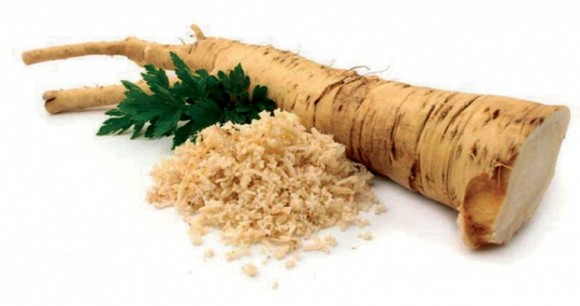
Horseradish (Armoracia rusticana) is a perennial plant of the Brassicaceae family, which also includes mustard, wasabi, and broccoli. For centuries, herbalists have utilized its pungent root not only as a condiment but also as a traditional remedy. Its characteristic sharp flavor and aroma derive from glucosinolates, specifically a compound called sinigrin. When the root is crushed or grated, an enzyme reaction converts sinigrin into allyl isothiocyanate, a volatile oil responsible for most of its physiological effects. Modern research investigates these compounds for their antimicrobial and anti-inflammatory properties. However, it is crucial to distinguish between preliminary laboratory findings and established clinical applications. Horseradish should be viewed as a supportive agent for minor conditions, not as a primary treatment for serious diseases.

⚠️ WARNING – Potent Mucosal Irritant!

The active compounds in horseradish are highly irritating to mucous membranes. Ingesting horseradish preparations, especially on an empty stomach or in excessive quantities, can cause severe gastrointestinal distress, including stomach pain, nausea, vomiting, and potential damage to the gastric lining. This remedy is not suitable for individuals with sensitive digestive systems, gastritis, or peptic ulcers.

A Traditional Macerate for Respiratory and Digestive Support

The following recipe describes a traditional alcohol-based macerate. The alcohol acts as a solvent, extracting the active compounds from the horseradish root. This preparation is intended for short-term, adjunctive use to help clear mucus associated with common colds or sinusitis and to act as a digestive stimulant.

Standardized Macerate Recipe

This revised recipe uses standardized measurements to ensure consistency and safety.

    • Fresh Horseradish Root: 150 grams, finely grated
    • Natural Red Wine or Brandy (40% ABV): 750 ml
    • Raw Honey (optional, for palatability): 150 grams

Preparation Method

    • Thoroughly wash and peel the horseradish root, then finely grate it. Use a well-ventilated area, as the fumes can be intensely irritating to the eyes and nose.
    • Place the grated horseradish into a clean, sterile 1-liter glass jar.
    • Pour the red wine or brandy over the horseradish, ensuring the plant matter is fully submerged.
    • Seal the jar tightly and store it in a cool, dark place for 14 days. Shake the jar gently every other day to facilitate the extraction process.
    • After two weeks, strain the liquid through a fine-mesh sieve or cheesecloth into a clean bottle, pressing firmly on the solid material to extract all the liquid.
    • If using honey, gently warm it to a liquid consistency and stir it into the strained macerate until fully dissolved.
    • Label the bottle with the name of the preparation and the date. Store it in the refrigerator.

Administration Protocol and Safety Limits

Strict adherence to dosage and duration is essential to prevent adverse effects.

Treatment Duration

    • For acute respiratory congestion: Use for a maximum of 7 consecutive days.
    • Mandatory break: A minimum 14-day break is required before considering another course.
    • Long-term use: This preparation is not intended for chronic or long-term consumption due to its irritant properties.

Quantity and Maximum Dose

    • Dose per administration: 1 tablespoon (approximately 15 ml).
    • Frequency: A maximum of two times per day.
    • Maximum daily dose for a healthy adult: 30 ml total per 24 hours.
    • Overdose Risk: Exceeding 30 ml per day significantly increases the risk of severe gastric irritation, nausea, vomiting, and potential kidney distress. The original article’s suggested dose of 450 ml per day is extremely dangerous and must be avoided.

Administration Condition

    • Timing: Always consume immediately after a meal to buffer its irritant effect on the stomach lining. Never take it on an empty stomach.
    • Hydration: Maintain adequate hydration throughout the day by drinking at least 2 liters of water.
    • Incompatibilities: Do not combine with other known gastric irritants, such as non-steroidal anti-inflammatory drugs (NSAIDs) like ibuprofen or aspirin.

Specific Biological Limitation

Isothiocyanate-Induced Mucosal Irritation

Horseradish’s primary active compounds, isothiocyanates, are potent irritants. This mechanism is responsible for its therapeutic effect of stimulating mucus flow in the sinuses and respiratory tract. However, this same irritant action poses a significant risk to the gastrointestinal tract. The compounds directly stimulate the stomach lining, which can lead to inflammation, pain, and exacerbation of pre-existing conditions like gastritis or peptic ulcers. Consequently, its use is biologically limited by an individual’s gastrointestinal tolerance.

Goitrogenic Activity

As a member of the Brassicaceae family, horseradish contains goitrogens. These substances can interfere with the thyroid gland’s uptake of iodine, potentially disrupting thyroid hormone production. While this is generally not a concern with moderate dietary consumption, concentrated preparations used therapeutically pose a theoretical risk, especially for individuals with hypothyroidism or iodine deficiency. Therefore, long-term use is contraindicated for these populations.

Contraindications and Precautions

Absolute Contraindications

    • Gastrointestinal Disorders: Forbidden for individuals with gastritis, acid reflux, peptic ulcers, or inflammatory bowel disease (Crohn’s disease, ulcerative colitis).
    • Kidney Disease: Should be avoided by those with impaired kidney function, as the compounds can be taxing on the renal system.
    • Hypothyroidism: Contraindicated for individuals with an underactive thyroid, particularly if not medically managed.

Vulnerable Populations

    • Pregnancy and Breastfeeding: Absolutely contraindicated. The compounds can pass through the placenta and into breast milk, and their effects on a developing fetus or infant are unknown and potentially harmful.
    • Children: Not recommended for children under 12 years of age due to its potent irritant nature.
    • Elderly: Use with extreme caution, starting with a half dose, as older adults may have increased gastric sensitivity.

Documented Adverse Effects

    • Common: Stomach burning, abdominal cramps, nausea, excessive sweating, and facial flushing.
    • Severe (rare or with overdose): Vomiting, diarrhea, and potential bleeding from gastric lesions.

Stop use immediately if you experience any significant stomach pain, vomiting, or dizziness.

How to Choose Quality Horseradish

The efficacy of the home preparation depends directly on the quality of the root.

Quality Criterion Optimal Characteristics Signs of Poor Quality
Visual Appearance Firm, thick root with a creamy-white color when cut. Skin should be intact. Soft spots, green discoloration (indicating sun exposure), shriveled or dry appearance.
Texture Hard and dense. Should be difficult to bend. Spongy, soft, or rubbery texture.
Smell Minimal smell when whole. A sharp, pungent, eye-watering aroma is released upon cutting or grating. A sour, fermented, or moldy smell.

Where to buy: Purchase fresh roots from grocery stores or farmers’ markets. Avoid roots that appear old or have been sitting for long periods, as their potency will have diminished.

Therapeutic Alternatives

If horseradish is not a suitable option due to its contraindications, consider these validated alternatives:

    • For Respiratory Congestion:
      1. Eucalyptus (Eucalyptus globulus): Steam inhalation with eucalyptus essential oil is a well-established method for clearing nasal and sinus passages. It acts as a potent decongestant.
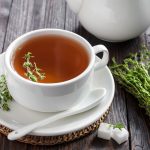
      2. Thyme (Thymus vulgaris): As a tea or standardized extract, thyme has expectorant and antispasmodic properties, making it effective for productive coughs.
    • For Digestive Stimulation (Bitters):
      1. Ginger (Zingiber officinale): A warming carminative that stimulates digestion and alleviates nausea without the harsh irritant effect of horseradish.
      2. Gentian (Gentiana lutea): A classic bitter tonic that stimulates the production of saliva and gastric juices, improving overall digestion. It is potent and should be used in small doses.

Recent Medical Research (2020-2026)

Recent research continues to explore the properties of horseradish’s active compounds, primarily isothiocyanates (ITCs).

    • Antimicrobial Properties: Studies, such as a 2021 review in the journal Molecules, consistently demonstrate that horseradish extracts exhibit significant antibacterial and antifungal activity in vitro (in a lab setting). This supports its traditional use in food preservation. However, this does not translate to an ability to cure internal infections in humans when consumed.
    • Anti-inflammatory Effects: Research continues to investigate the anti-inflammatory mechanisms of ITCs. A 2021 study highlighted how these compounds might modulate inflammatory pathways. Nevertheless, clinical trials in humans are needed to confirm these effects and establish safe therapeutic applications.

Updated Scientific Verdict: The scientific community recognizes horseradish’s potent biological activity. There is moderate confidence in its role as a traditional mucolytic agent for temporary relief of sinus congestion. Its use as a digestive stimulant is based on tradition. Evidence to support its use for treating chronic diseases like cancer or tuberculosis is completely absent; promoting it for such purposes is irresponsible and dangerous.

Specialist’s Summary

Horseradish is a potent botanical agent useful for short-term, adjunctive relief of respiratory mucus congestion in healthy adults. Its effects are primarily due to the irritant action of isothiocyanates, which necessitates administration after meals and for limited durations (max 7 days). It is strictly contraindicated in individuals with gastrointestinal, kidney, or thyroid disorders. Safer, validated alternatives for respiratory support include eucalyptus inhalation and thyme preparations.

Quick Guide: Horseradish Safety

Category Details
❌ Who should AVOID • Individuals with stomach ulcers, gastritis, or acid reflux
• Patients with kidney disease
• Those with hypothyroidism
• Pregnant or breastfeeding women and children under 12
📊 Maximum safe dose • Adults: 1 tablespoon (15 ml), twice daily
• Treatment duration: Max 7 consecutive days
• Mandatory break: Minimum 14 days
🚨 ALARM signs • Severe stomach pain or burning
• Nausea or vomiting
• Dizziness or excessive sweating
💊 Major interactions • Thyroid medications (e.g., Levothyroxine)
• Gastric irritants (e.g., NSAIDs like Ibuprofen)
⏱️ When to consult a doctor IMMEDIATELY if alarm signs appear OR
If respiratory symptoms do not improve after 3-4 days.

💡 Golden rule: Due to its potency, if you have any pre-existing health condition, consult a healthcare professional before using horseradish therapeutically.

Frequently Asked Questions

Can horseradish preparations cure lung infections or cancer?
Absolutely not. This is a dangerous misconception. Horseradish cannot treat infections, tuberculosis, or cancer. These are serious medical conditions that require diagnosis and treatment by a qualified physician. Using horseradish as a substitute for medical care can have fatal consequences.

How long does it take for horseradish to help with sinus congestion?
The mucolytic effect of horseradish is often felt within minutes of consumption, as the volatile compounds travel up to the nasal passages. However, this effect is temporary. It provides symptomatic relief but does not cure the underlying cause of the congestion.

Is it safe to use horseradish if I have a sensitive stomach?
No. Horseradish is a potent gastric irritant and is strictly contraindicated for anyone with a sensitive stomach, acid reflux, gastritis, or peptic ulcers. It will almost certainly worsen these conditions.

What are safer herbal alternatives for a common cold?
For congestion, steam inhalation with eucalyptus or peppermint is very effective and much gentler on the stomach. For a cough, teas made from thyme or licorice root (if you do not have high blood pressure) are excellent choices. For general immune support, Echinacea or Elderberry have more scientific backing.

Sources and References

Recent Studies:

    • Agneta, M. et al. (2021). Horseradish (Armoracia rusticana) as a Source of Bioactive Compounds. Molecules, 26(16), 4893. https://www.mdpi.com/1420-3049/26/16/4893
    • Herz, C. et al. (2017). In Vitro-Effects of Isothiocyanates from Horseradish (Armoracia rusticana) on Human Endothelial Cells. Plant Foods for Human Nutrition, 72(4), 376-382.

Official Monographs:

    • German Commission E Monograph (1990). Cochleariae armoraciae radix (Horseradish root).
    • World Health Organization (WHO). (1999). WHO Monographs on Selected Medicinal Plants – Volume 1.


You may also like

Leave a Comment