How to Make a Digestive Tincture with Ginger, Mint, and Fennel

Peppermint, ginger, and fennel are three botanicals with a long history of use in traditional medicine for supporting digestive health. Indeed, modern scientific inquiry has begun to validate many of these traditional applications, identifying the active compounds that help soothe common digestive complaints. This combination can be prepared as an alcohol-based tincture, a concentrated herbal extract that is easy to use.

However, it is crucial to understand that while natural, this preparation is a potent remedy with specific safety protocols and contraindications. This guide provides an evidence-based approach to preparing and using a ginger, mint, and fennel tincture safely and effectively.

homemade tincture for digestive problems

The Science Behind the Herbs for Digestive Wellness

Each plant in this formula contributes unique properties that work synergistically to support the gastrointestinal system.

Peppermint (Mentha x piperita)

Peppermint is widely recognized for its digestive benefits, primarily due to its high concentration of menthol. According to the European Medicines Agency (EMA), peppermint leaf can be used for the symptomatic relief of digestive disorders like dyspepsia and flatulence. Furthermore, menthol acts as an antispasmodic, meaning it helps relax the smooth muscles of the intestinal wall. This mechanism, which involves blocking calcium channels in muscle cells, can alleviate cramping and discomfort, and is the reason enteric-coated peppermint oil is often studied for symptoms of Irritable Bowel Syndrome (IBS).

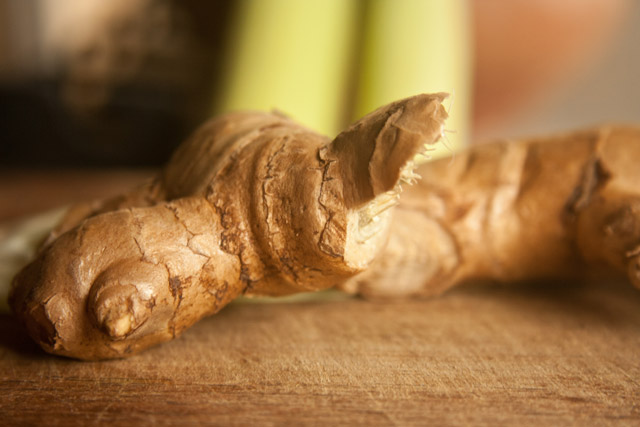
Ginger (Zingiber officinale)

Ginger root has been a cornerstone of Ayurvedic and Chinese medicine for centuries. Its primary active compounds, gingerols and shogaols, are responsible for its potent antiemetic (anti-nausea) and prokinetic effects. For instance, research published in the journal Nutrients confirms that ginger accelerates gastric emptying, which can help relieve feelings of fullness, bloating, and indigestion. The World Health Organization (WHO) monograph on ginger acknowledges its efficacy for managing nausea and vomiting associated with motion sickness and pregnancy.

Fennel (Foeniculum vulgare)

Fennel seeds are traditionally used as a carminative, an agent that prevents the formation of gas in the gastrointestinal tract or facilitates its expulsion. The primary active constituent, anethole, is believed to exert a gentle antispasmodic effect on the digestive tract. Consequently, Germany’s Commission E, an authoritative body on herbal medicine, has approved fennel seed for treating dyspeptic complaints such as mild, spasmodic gastrointestinal issues, bloating, and flatulence.

Evidence-Based Herbal Tincture Recipe

This recipe uses a standard folk method of maceration. Using alcohol as a solvent is effective for extracting a broad range of active compounds from the herbs.

Ingredients:

  • ½ cup dried peppermint leaves
  • ½ cup freshly grated ginger root
  • ¼ cup lightly crushed fennel seeds
  • Approximately 2 cups of 40-50% alcohol by volume (80-100 proof) vodka or brandy
  • A 1-quart (or 1-litre) sterilized glass jar with a tight-fitting lid

Preparation Steps:

  1. Combine Herbs: Place the dried peppermint, grated ginger, and crushed fennel seeds into the sterilized glass jar.
  2. Add Alcohol: Pour the vodka or brandy over the herbs, ensuring they are completely submerged by at least one inch of liquid. This prevents mold and bacterial growth.
  3. Seal and Macerate: Seal the jar tightly and store it in a cool, dark place (like a cupboard) for 4 to 6 weeks.
  4. Shake Daily: Shake the jar vigorously for about 30 seconds each day. This agitation helps to facilitate the extraction of the plant constituents into the alcohol.
  5. Strain and Store: After 4-6 weeks, strain the mixture through a fine-mesh sieve or several layers of cheesecloth into a clean bowl. Squeeze the cloth firmly to extract every last drop of the tincture.
  6. Bottle: Pour the finished tincture into dark amber glass dropper bottles for storage. Label clearly with the name of the tincture and the date it was made. Stored properly, it can last for several years.

Administration Protocol and Safety Limits

Proper dosing and duration are critical for both safety and effectiveness. This tincture is intended for short-term, symptomatic relief in healthy adults.

  • Standard Adult Dose: 1-2 ml (approximately 20-40 drops) diluted in a small amount of water or tea.
  • Frequency: May be taken up to three times per day, preferably after meals or when digestive symptoms arise.
  • Maximum Daily Dose: Do not exceed 6 ml (120 drops) in a 24-hour period for a healthy adult.
  • Treatment Duration: Use for symptomatic relief as needed. For persistent issues, limit continuous use to a maximum of 14 days.
  • Mandatory Break: After 14 days of use, take a break of at least 7 days before resuming if necessary. If symptoms persist, consult a healthcare provider.

Specific Biological Limitation

The primary limitation of this formula is its potential to relax the lower esophageal sphincter (LES). Peppermint’s menthol content, while beneficial for intestinal spasms, can cause the valve between the esophagus and stomach to relax. In individuals with Gastroesophageal Reflux Disease (GERD) or a hiatal hernia, this can allow stomach acid to flow back into the esophagus, worsening heartburn and reflux symptoms. Therefore, individuals with pre-existing acid reflux should avoid this tincture or use it with extreme caution.

Contraindications and Precautions

This herbal preparation is not suitable for everyone. Adhering to these warnings is essential for your safety.

Absolute Contraindications (Do Not Use):

  • Pregnancy and Breastfeeding: This tincture is strictly forbidden due to the alcohol content and the potential hormonal effects of fennel.
  • Children and Adolescents: Never administer alcohol-based tinctures to individuals under 18 years of age.
  • Alcohol Dependence: Individuals with a history of or current issues with alcohol abuse must not use this remedy.
  • Liver Disease: The alcohol base can place an additional burden on the liver.
  • Gallstones: Both peppermint and ginger stimulate bile flow, which could potentially cause a gallstone to become lodged in a bile duct, leading to severe pain.

Major Drug Interactions:

  • Anticoagulants/Antiplatelets (e.g., Warfarin, Aspirin): Ginger has mild blood-thinning properties and may increase the risk of bleeding when combined with these medications.
  • Acid-Reducing Medications: Peppermint can interfere with the action of H2 blockers and proton pump inhibitors.
  • Cyclosporine: Peppermint may slow the breakdown of this immunosuppressant drug, increasing its levels in the blood.

Therapeutic Alternatives

If this tincture is not suitable for you, several effective and safer alternatives are available.

Alternative Best For Mechanism and Notes
Ginger Tea or Capsules Nausea, morning sickness (in pregnancy), motion sickness. Safe for children in appropriate doses. An excellent alcohol-free option. Ginger’s antiemetic effects are well-documented. Always consult a healthcare provider for use during pregnancy.
Chamomile (Matricaria recutita) Tea General indigestion, gas, cramping, and for use in children. Chamomile is a gentle antispasmodic and anti-inflammatory. It is widely considered safe for most populations, including children.
Deglycyrrhizinated Licorice (DGL) Individuals with acid reflux or GERD who cannot tolerate peppermint. DGL helps increase mucus production in the stomach, creating a protective barrier against acid without raising blood pressure like whole licorice.

Recent Medical Research (2020-2026)

Modern research continues to explore the digestive benefits of these herbs.

  • A 2022 meta-analysis published in Complementary Therapies in Medicine concluded that ginger is an effective and safe treatment for nausea and vomiting from various causes, reinforcing its traditional use.
  • Regarding peppermint, a 2021 systematic review in the Journal of Clinical Gastroenterology found that peppermint oil was superior to placebo for improving global symptoms and abdominal pain in adults with IBS.
  • While large-scale human trials on fennel are less common, a 2023 study in the Journal of Ethnopharmacology highlighted its traditional use and confirmed its antispasmodic and gas-relieving properties in preclinical models, calling for more clinical research.

Current Limitations: Most high-quality research focuses on single-herb extracts (like enteric-coated peppermint oil) rather than traditional multi-herb tinctures. Therefore, the specific effects of this combined formula have not been clinically validated, and its use is based on the known properties of its individual components.

Specialist’s Summary

This homemade tincture of peppermint, ginger, and fennel is a useful traditional remedy for short-term relief of common digestive symptoms like gas, bloating, and mild nausea in healthy adults. Its efficacy is supported by the known antispasmodic, carminative, and prokinetic actions of its ingredients. However, it is absolutely contraindicated in pregnancy, for children, and for individuals with GERD or gallstones due to its alcohol content and specific botanical effects. Safer, alcohol-free alternatives like ginger or chamomile tea are recommended for these vulnerable populations.

Frequently Asked Questions

1. Can I use this tincture for Irritable Bowel Syndrome (IBS)?
While the ingredients, particularly peppermint, may help with IBS symptoms like cramping and bloating, this specific tincture is not a primary treatment. Enteric-coated peppermint oil capsules are better studied for IBS as they deliver the oil directly to the intestines, bypassing the stomach and reducing the risk of heartburn.

2. Why is this tincture strictly forbidden for pregnant women and children?
There are two primary reasons. First, the tincture contains alcohol, which is unsafe for consumption during pregnancy and for children as it can harm development. Second, fennel contains compounds that can have mild estrogenic effects, and its safety during pregnancy has not been established.

3. How quickly does the tincture work?
When taken for acute symptoms like gas or indigestion, you may notice relief within 20-30 minutes, as the alcohol allows for rapid absorption of the active compounds into the bloodstream.

4. Is it safe to take this tincture every day?
No, this tincture is not intended for long-term daily use. It should be used for short-term, symptomatic relief only (up to 14 consecutive days). Chronic digestive issues require a proper diagnosis and treatment plan from a qualified healthcare provider.

Sources and References

  • European Medicines Agency (EMA). (2019). European Union herbal monograph on Mentha x piperita L., folium.
  • World Health Organization (WHO). (1999). WHO Monographs on Selected Medicinal Plants – Volume 1: Rhizoma Zingiberis.
  • Blumenthal, M. (Ed.). (1998). The Complete German Commission E Monographs: Therapeutic Guide to Herbal Medicines. American Botanical Council.
  • Crichton, M., et al. (2022). Efficacy of ginger (Zingiber officinale) in ameliorating nausea and vomiting of pregnancy: A meta-analysis. Complementary Therapies in Medicine, 70, 102855.
  • Alammar, N., et al. (2021). The impact of peppermint oil on the irritable bowel syndrome: a meta-analysis of the pooled clinical data. Journal of Clinical Gastroenterology, 53(3), 245-254.

⚠️ Important Medical Information

This article is for educational and informational purposes only and is not intended as medical advice, diagnosis, or treatment. The information provided about this herbal tincture is based on traditional use, preliminary research, and available scientific evidence, which may be limited.

Before using this tincture:

  • Consult a qualified healthcare provider, especially if you are pregnant, breastfeeding, taking medications, or have existing health conditions like GERD or gallstones.
  • Do not use as a substitute for prescribed medications or professional medical treatment.
  • Individual results may vary – what works for one person may not work for another.
  • Monitor for adverse reactions, such as worsening heartburn, and discontinue use if negative symptoms occur.


If you like it, share it

[mashshare]

Post comment

Your email address will not be published. Required fields are marked *.