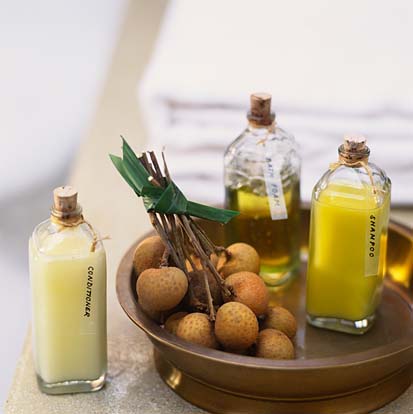
Many individuals seek alternatives to commercial shampoos, often due to concerns about harsh detergents like sulfates (SLS/SLES) that can strip the hair and scalp of natural oils. This may lead to dryness, irritation, and increased hair breakage for some people. Consequently, formulating your own shampoo at home using gentle, plant-based ingredients allows for greater control over what you apply to your scalp. Furthermore, these preparations can be customized to address specific hair needs, such as enhancing moisture or clarifying buildup. However, it is crucial to approach homemade remedies with an understanding of proper formulation, safety protocols, and realistic expectations.
⚠️ **Important Safety Notice: Patch Test Required!**
*Before applying any new homemade preparation to your entire scalp, it is essential to perform a patch test. Apply a small amount of the finished product to a discreet area of skin, such as behind the ear or on the inner elbow. Wait 24-48 hours to check for any signs of irritation, redness, or allergic reaction. Discontinue use immediately if any adverse reaction occurs.*

Validated Homemade Shampoo Recipes
Here are three recipes based on botanicals traditionally used for hair care. Unlike the potentially damaging baking soda remedy, which has been eliminated for safety reasons, these formulations respect the scalp’s natural pH balance.
1. Herbal Strengthening Cleanser for Hair Prone to Breakage
This formulation combines traditional Ayurvedic herbs known for their ability to support hair follicle health and strengthen the hair shaft. As a result, it may help reduce shedding associated with breakage.
Ingredients:
- 2 tablespoons Amla (Emblica officinalis) powder
- 2 tablespoons dried Hibiscus (Hibiscus rosa-sinensis) flower powder
- 1 tablespoon Soap Nut (Sapindus mukorossi) powder
- 1 teaspoon Jojoba oil (Simmondsia chinensis)
- 2 cups of filtered water
- Optional: 1 teaspoon pure Henna (Lawsonia inermis) powder for conditioning
Instructions:
- First, combine the amla, hibiscus, and soap nut powders in a small saucepan with the water.
- Gently heat the mixture on low, stirring continuously until it thickens into a smooth, serum-like consistency. Importantly, do not allow it to boil.
- Remove the pan from the heat and allow the mixture to cool completely.
- Once cool, strain it through a fine-mesh sieve or cheesecloth to remove any particulate matter.
- Finally, stir in the jojoba oil and the optional henna powder until they are fully incorporated.
Usage Note: Henna can impart a reddish tint to light-colored hair. Therefore, you should perform a strand test first or omit this ingredient if you do not desire a color change.
2. Soothing Scalp Cleanser for Dandruff-Prone Skin
This recipe utilizes a pH-balanced, antimicrobial alternative to harsh exfoliants. Tea tree oil and rosemary are well-documented for their antifungal and anti-inflammatory properties, which can help manage the underlying factors contributing to dandruff.
Ingredients:
- 5-6 whole soap nuts (Reetha)
- 2 cups of filtered water
- 1 tablespoon dried Rosemary leaves (Rosmarinus officinalis)
- 5-7 drops of Tea Tree (Melaleuca alternifolia) essential oil
Instructions:
- Begin by bringing the water and soap nuts to a boil in a small saucepan.
- Once boiling, reduce the heat and let the mixture simmer for 15-20 minutes. The soap nuts will soften and release their natural cleansers (saponins).
- Next, remove the pan from the heat and add the dried rosemary leaves. Cover the pot and let the rosemary steep for at least 30 minutes as the liquid cools.
- Strain the liquid into a clean bottle, gently squeezing the soap nuts to extract any remaining cleanser.
- After the liquid has cooled to room temperature, add the tea tree essential oil. Shake the bottle vigorously to ensure it is well combined.
3. Simple & Mild Cleanser for Sensitive Scalps
For those with highly sensitive skin or who prefer a minimalist approach, this gentle cleanser is an excellent choice. It effectively cleanses the scalp and hair without stripping the skin’s protective barrier.
Ingredients:
- 8-10 whole soap nuts
- 3 cups of filtered water
- Optional: 1 teaspoon fractionated coconut oil for added moisture
Instructions:
- First, place the soap nuts and water in a saucepan and bring the mixture to a boil.
- Reduce the heat and allow it to simmer for approximately 30 minutes, or until the liquid has reduced by about one-third.
- Let the solution cool completely, then strain it into a clean container. You can gently press the softened soap nuts to release more saponins before discarding them.
- If you have a dry scalp, stir in the optional coconut oil once the liquid is cool.
Administration Protocol and Safety Limits
Adherence to proper usage and storage protocols is critical for both the safety and efficacy of these homemade preparations.
| Protocol | Guideline |
|---|---|
| Usage Frequency | Use 2-3 times per week as needed. Over-washing, even with natural products, can disrupt the scalp’s microbiome and sebum production. |
| Application Method | Apply a small amount directly to a wet scalp. Massage gently with your fingertips for 1-2 minutes to loosen dirt and oil, then rinse thoroughly with lukewarm water. Note that these shampoos produce very little lather. |
| Storage and Shelf-Life | CRITICAL: These are fresh, preservative-free products. They must be stored in the refrigerator and used within 5-7 days. To prevent bacterial or mold growth, discard any unused portion after one week. It is best to prepare small batches frequently. |
Specific Biological Limitation
The Importance of Scalp pH Balance
The human scalp maintains a naturally acidic pH of around 4.5 to 5.5, a state known as the “acid mantle.” This biological barrier is essential for protecting against fungal and bacterial proliferation and for keeping the hair cuticle sealed, smooth, and moisturized. Highly alkaline substances, such as baking soda (pH ≈ 9), aggressively strip this protective mantle. Consequently, their use can lead to significant moisture loss, cuticle damage, frizz, and an increased risk of scalp infections. For this reason, the recipes provided utilize ingredients that are much closer to the scalp’s natural pH, thereby respecting its biological integrity.
Contraindications and Precautions
Absolute Contraindications
Do not use these preparations if you have a known allergy to any of the ingredients (e.g., Asteraceae family for chamomile, nuts for certain carrier oils). Furthermore, avoid applying them to open wounds, broken skin, or active infections on the scalp.
Vulnerable Populations
- Pregnancy and Breastfeeding: Consult a qualified healthcare provider before using products containing essential oils, such as tea tree oil, as their safety during these periods has not been definitively established.
- Children: While generally gentle, always perform a patch test on children before the first full application.
Documented Adverse Effects
The most common adverse effect is mild scalp irritation or dryness if an ingredient is not suitable for your specific skin type. In addition, henna will permanently deposit color on the hair shaft and may produce unpredictable results on chemically treated or bleached hair. Stop use immediately if you experience severe itching, burning, hives, or a rash.
Therapeutic Alternatives
If preparing homemade shampoos is not suitable for you, several effective alternatives are available.
Botanical Alternatives
- Shikakai (Acacia concinna): A traditional Ayurvedic cleansing powder that is rich in saponins. It cleanses gently, has a low pH, and helps detangle hair. It can be mixed with water to form a paste.
- Rhassoul Clay: This mineral-rich clay, sourced from Morocco, absorbs excess sebum and impurities without stripping natural oils. It is ideal for clarifying oily or normal hair types.
Commercial and Pharmacological Options
For convenience, you can seek out commercially formulated shampoos that use gentle, plant-derived surfactants (e.g., Coco-Glucoside, Decyl Glucoside). For persistent medical conditions like severe seborrheic dermatitis (dandruff) or androgenetic alopecia (pattern hair loss), it is essential to consult a dermatologist. They can prescribe medicated shampoos (containing ketoconazole, for instance) or other targeted medical treatments.
Recent Medical Research (2020-2026)
Recent studies continue to investigate the efficacy of traditional botanicals for hair care.
- Amla (Emblica officinalis): A 2022 review in the journal Cosmetics highlighted its potent antioxidant properties and traditional use in promoting hair growth and strengthening follicles.
- Rosemary Oil (Rosmarinus officinalis): A 2022 systematic review published in Skinmed found that rosemary oil shows significant promise for promoting hair growth, with some studies suggesting its efficacy is comparable to 2% minoxidil but with fewer side effects like scalp itching.
- Tea Tree Oil (Melaleuca alternifolia): Research, including a 2021 study in the Journal of Fungi, consistently reaffirms the potent antifungal activity of tea tree oil against Malassezia species, the yeast commonly implicated in dandruff.
Specialist’s Summary
Homemade botanical shampoos offer a gentle, customizable alternative to some commercial products, especially for individuals with sensitive scalps. Key ingredients like soap nuts provide mild cleansing, while herbs such as amla and hibiscus can support hair strength. However, safety is paramount; users must perform patch tests and adhere to strict, short-term refrigerated storage due to the lack of preservatives. These remedies effectively support general scalp health but do not treat medical hair loss or severe dandruff, which always require a professional diagnosis.
Frequently Asked Questions
Can these homemade shampoos cure hair loss?
No. These preparations can help reduce hair breakage and support a healthy scalp environment, which may lessen shedding. However, they do not treat underlying medical causes of hair loss, such as hormonal imbalances or genetic conditions. You should consult a doctor for a proper diagnosis and treatment plan.
Why doesn’t my natural shampoo create a lot of lather?
Commercial shampoos use synthetic detergents (sulfates) to create the rich lather many people associate with cleaning. In contrast, natural cleansers like soap nuts contain saponins, which produce a very mild, low foam. The cleansing action comes from the saponins binding to dirt and oil, not from the volume of bubbles.
Is it safe to use these shampoos every day?
It is generally not recommended to wash your hair daily, even with a mild shampoo, as this can disrupt the scalp’s natural oil production. For most individuals, using