DIY Mouthwash Recipe: Benefits and Safety Guide
Maintaining good oral hygiene is a cornerstone of overall health, extending beyond simple brushing and flossing. While mouthwash can be a helpful addition to this routine, many people are exploring natural, homemade alternatives. Consequently, creating your own mouthwash allows you to control the ingredients, avoiding alcohol and other additives you may wish to omit.

This guide provides an evidence-informed recipe for a simple homemade mouthwash. Furthermore, it details the scientific basis for its ingredients, clear safety protocols, and suitable alternatives, ensuring you can make an informed decision for your oral care routine.
A Simple, Evidence-Informed Mouthwash Recipe
This recipe uses three key ingredients known for their properties related to oral health. Importantly, this preparation is intended for single use and should be made fresh each time.
Ingredients:
- 1 teaspoon of virgin coconut oil (liquefied)
- ½ teaspoon of baking soda (sodium bicarbonate)
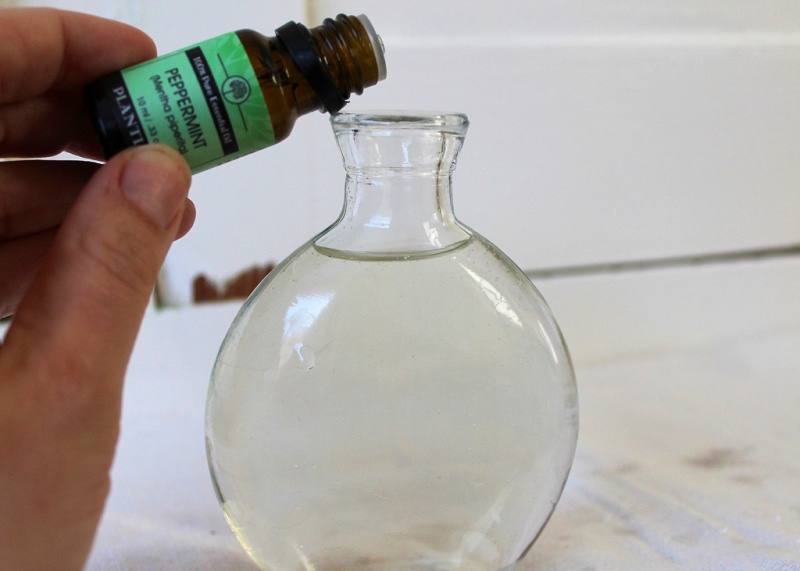
- 2 drops of high-quality peppermint essential oil (*Mentha piperita*)
Preparation and Use:
- In a clean cup, combine the liquefied coconut oil and baking soda. Stir until the baking soda is dissolved as much as possible.
- Add the two drops of peppermint essential oil and mix thoroughly.
- Take the entire mixture into your mouth. Do not swallow.
- Swish the liquid around your mouth, gargling and pulling it through your teeth for 60 to 90 seconds.
- Spit the entire mixture into a trash bin, not the sink, as coconut oil can solidify and clog drains.
How the Ingredients Work
Each component in this recipe has a specific role supported by both traditional use and modern research.
- Coconut Oil: The practice of “oil pulling” with coconut oil has roots in Ayurvedic medicine. Research, such as a study in the Journal of Traditional and Complementary Medicine, suggests that the lauric acid in coconut oil has antimicrobial properties that may help reduce the bacteria responsible for plaque and gingivitis, specifically Streptococcus mutans.
- Baking Soda: Sodium bicarbonate helps to neutralize acids in the mouth produced by bacteria, which can otherwise contribute to tooth decay. Additionally, it has mild abrasive and antimicrobial properties that can help clean teeth and reduce bacterial load.
- Peppermint Essential Oil: This oil provides the characteristic fresh feeling of commercial mouthwashes. More importantly, studies published in journals like the European Journal of Dentistry indicate that its primary component, menthol, exhibits significant antibacterial activity against common oral pathogens.
Administration Protocol and Safety Limits
To ensure both safety and effectiveness, follow these specific guidelines when using this homemade mouthwash.
Treatment Duration and Frequency
- Frequency: Use this mouthwash no more than once per day, preferably after your final brushing at night.
- Duration: It is advisable to use this preparation for cycles of 2-3 weeks, followed by a 1-week break. This helps prevent potential disruption to your natural oral microbiome.
- Maximum daily dose: Do not exceed one preparation (as per the recipe) per day.
Critical Safety Warning: Do Not Swallow
Overdose risk: Swallowing this mixture is dangerous. Ingesting essential oils can cause systemic toxicity, and consuming baking soda in quantity can disrupt your body’s electrolyte balance. Always spit the entire amount out after rinsing.
Specific Biological Limitation
The primary limitation of this recipe involves its potential long-term effects on tooth enamel and the oral microbiome. Baking soda is mildly abrasive. While this helps with cleaning, daily, long-term use could potentially wear down tooth enamel, especially in individuals with pre-existing sensitivity or weakened enamel. Furthermore, the antimicrobial nature of the ingredients, while beneficial for reducing harmful bacteria, could also impact the beneficial bacteria that constitute a healthy oral microbiome if used excessively.
Contraindications and Precautions
Absolute Contraindications (Do Not Use If):
- You have a known allergy to coconut, mint, or any other ingredient.
- You have numerous open sores, ulcers, or wounds in your mouth, as the ingredients may cause irritation.
Vulnerable Populations
- Children: This recipe is not recommended for children under 12 due to the high risk of accidental swallowing.
- Pregnancy and Breastfeeding: The systemic absorption of essential oils is a concern. Therefore, consult a healthcare provider before using any preparations containing essential oils during pregnancy or while breastfeeding.
- Elderly: Individuals with sensitive gums or dental work should exercise caution, as baking soda may be too abrasive.
When to Stop Immediately
Discontinue use if you experience any signs of irritation, such as increased gum sensitivity, redness, or a burning sensation.
Therapeutic Alternatives
If this recipe is not suitable for you, several other effective and traditionally validated options exist.
| Alternative | Mechanism and Use |
|---|---|
| Sage (Salvia officinalis) Infusion | Traditionally used for sore throats and mouth inflammation. Sage has antimicrobial and astringent properties that can help tighten gums and reduce bacteria. Steep 1 teaspoon of dried sage in a cup of hot water for 10 minutes, cool, and use as a rinse. |
| Clove (Syzygium aromaticum) Infusion | Clove contains eugenol, a compound with natural anesthetic and antiseptic effects. It is excellent for soothing gum pain. Simmer 2-3 whole cloves in a cup of water for 5 minutes, cool, and use as a rinse. |
| Saline (Saltwater) Rinse | A simple, safe, and effective option. Dissolving ½ teaspoon of salt in a cup of warm water creates an isotonic solution that can reduce inflammation, soothe sores, and temporarily decrease the bacterial count in the mouth. |
Recent Medical Research (2020-2026)
Recent scientific inquiry continues to explore the potential of natural ingredients in oral care.
- A 2022 systematic review on oil pulling concluded that it can be an effective complementary therapy alongside standard oral hygiene practices for reducing plaque and gingivitis.
- Research into essential oils remains active. A 2022 study confirmed the strong antimicrobial activity of various essential oils, including peppermint, against a range of oral bacteria, supporting their use in oral hygiene products.
Current Limitations: While promising, much of the research is based on small-scale studies. Larger, long-term clinical trials are still needed to establish definitive guidelines and fully understand the impact of these remedies on the oral microbiome over time.
Specialist’s Summary
This homemade mouthwash can serve as a useful adjunct to standard oral hygiene for reducing certain bacteria and neutralizing acids, primarily due to its coconut oil and baking soda content. However, it is not a substitute for professional dental care or a treatment for oral diseases. It carries risks, including potential enamel abrasion with overuse, and is contraindicated for children. For sensitive individuals, validated alternatives like saline or sage infusions offer a safer profile.
Frequently Asked Questions
Can this homemade mouthwash replace brushing and flossing?
Absolutely not. This rinse is a supplement, not a replacement. Mechanical cleaning through brushing and flossing is essential for removing plaque and food debris, which no mouthwash can accomplish on its own.
Can this recipe whiten my teeth?
There is no strong scientific evidence that this recipe causes significant tooth whitening. The mild abrasiveness of baking soda may help remove some external surface stains, but it will not change the intrinsic color of your teeth. Overuse in an attempt to whiten teeth can damage enamel.
Is it safe to use every day?
Daily use should be approached with caution. Due to the abrasive nature of baking soda and the antimicrobial effects of the oils, it is best to use it in cycles (e.g., 3 weeks on, 1 week off) to protect your enamel and oral microbiome.
Sources and References
- Peedikayil, F. C., Sreenivasan, P., & Narayanan, A. (2015). Effect of coconut oil in plaque related gingivitis – A preliminary report. Nigerian Medical Journal, 56(2), 143–147.
- Ács, K., Bencsik, T., Böszörményi, A., & Kocsis, B. (2022). Essential Oils and Their Main Compounds in the Management of Oral Pathologies. Pharmaceuticals, 15(3), 373.
- Shanbhag, V. K. L. (2017). Oil pulling for maintaining oral hygiene – A review. Journal of Traditional and Complementary Medicine, 7(1), 106–109.
⚠️ Important Medical Information
This article is for educational and informational purposes only and is not intended as medical advice, diagnosis, or treatment. The information provided about this Homemade Mouthwash is based on traditional use, preliminary research, and available scientific evidence, which may be limited.
Before using this Homemade Mouthwash:
- Consult a qualified healthcare provider or dentist, especially if you are pregnant, breastfeeding, taking medications, or have existing health conditions like gum disease or enamel erosion.
- Do not use as a substitute for prescribed medications, professional dental cleanings, or medical treatment.
- Individual results may vary – what works for one person may not work for another.
- Monitor for adverse reactions and discontinue use if negative symptoms occur.
Regulatory status: The ingredients in this recipe are generally regarded as safe for their intended culinary use but have not been evaluated by the FDA for treating, curing, or preventing any disease when used as a mouthwash.