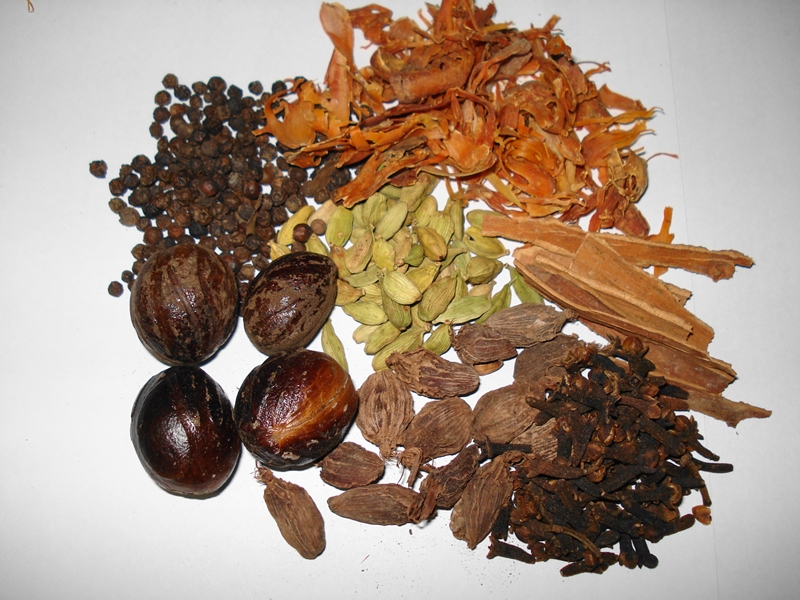
Halitosis, commonly known as bad breath, can be caused by various factors, including certain foods like garlic and onion, poor oral hygiene, or underlying digestive issues. While commercial mouthwashes are available, many contain alcohol and artificial additives. Consequently, creating a natural, herbal alternative can be a supportive measure for oral and digestive wellness.
This article provides an evidence-based approach to creating a homemade mouth freshener, focusing on ingredients with recognized therapeutic properties. We will explore the science behind these herbs, provide a balanced recipe, and outline critical safety protocols.

The Science Behind Key Ingredients for Oral Health
Traditionally used in practices like Ayurveda, certain spices and seeds are chewed after meals not just for flavor but for their specific health benefits. Furthermore, modern research has begun to validate these uses, identifying active compounds that contribute to their efficacy.
- Fennel Seeds (Foeniculum vulgare): Fennel is renowned for its sweet, licorice-like flavor. Importantly, it contains an organic compound called anethole, which research suggests has antimicrobial properties against bacteria and fungi. A study published in the Journal of Food Science and Technology indicated that fennel essential oil exhibits inhibitory effects against several oral pathogens. Traditionally, fennel is also used as a carminative to ease bloating and gas.
- Cloves (Syzygium aromaticum): Cloves are a powerhouse of eugenol, a compound with potent antiseptic and analgesic properties. For this reason, clove oil has a long history in dentistry for temporary pain relief. Research confirms that eugenol is effective against a broad spectrum of bacteria responsible for plaque and bad breath.
- Cardamom (Elettaria cardamomum): The distinct aroma of cardamom comes from compounds like cineole, which has antiseptic properties and can help neutralize bad odors. Moreover, it is traditionally valued as a digestive stimulant, helping to improve gastrointestinal function.
- Cinnamon (Cinnamomum verum): True cinnamon contains cinnamaldehyde, an active compound that studies have shown can inhibit the growth of odor-causing oral bacteria. It also supports digestion, though it must be used in moderation due to its coumarin content.
Phytotherapist’s Digestive and Breath Freshener Recipe
This recipe combines ingredients with evidence-based benefits for both oral hygiene and digestion. It is designed to be used as a post-meal digestive aid, chewed in small quantities.
Ingredients:
- 1/4 cup fennel seeds
- 2 tablespoons coriander seeds
- 2 tablespoons white sesame seeds
- 1 tablespoon whole cloves
- 1 tablespoon green cardamom pods (seeds removed and lightly crushed)
- 1 teaspoon Ceylon cinnamon powder (preferred for lower coumarin content)
Instructions:
- In a dry pan over low heat, gently toast the fennel seeds for 3-4 minutes until they become fragrant. Remove and set aside.
- Next, toast the coriander seeds for 2-3 minutes.
- Subsequently, toast the white sesame seeds for about 4-5 minutes, or until they are lightly golden. Be careful as they can burn quickly.
- Allow all the toasted seeds to cool completely.
- In a clean bowl, combine the toasted fennel, coriander, and sesame seeds.
- Finally, add the whole cloves, crushed cardamom seeds, and Ceylon cinnamon powder. Mix thoroughly.
- Store the mixture in an airtight glass container in a cool, dark place. It will remain fresh for up to 3 months.
Administration Protocol and Safety Limits
This herbal mixture is a functional food, not a medication. Therefore, moderation is key to avoiding potential adverse effects.
- Dosage: Chew 1/2 to 1 teaspoon of the mixture after meals.
- Frequency: Use up to twice daily.
- Treatment Duration: This mix can be used regularly in small amounts. However, if you are using it to address a specific digestive issue, consider using it for 2-3 weeks, followed by a one-week break to assess symptoms.
- Overdose Risk: Consuming large quantities of this mixture is not recommended. For instance, excessive intake of cloves can cause gastrointestinal irritation due to eugenol, and high doses of cinnamon can be problematic for liver health due to coumarin.
Specific Biological Limitation
The active compounds in these spices, such as eugenol in cloves and anethole in fennel, are potent. While beneficial in small doses, their concentrated nature can be problematic for certain individuals. These essential oils can irritate the mucous membranes of the mouth and gastrointestinal tract in sensitive people or when consumed in excess. Additionally, they can trigger allergic reactions in those with sensitivities to specific plant families.
Contraindications and Precautions
Before incorporating this herbal mix into your routine, it is crucial to review the following safety information.
| Group | Warning and Explanation |
| Pregnancy and Breastfeeding | Avoid. Fennel contains compounds that may have estrogen-like effects, and cloves in medicinal amounts are not recommended during pregnancy. The safety of regular consumption has not been established. |
| Children | Not recommended for children under 12 due to the potency of the spices and potential for allergic reactions or gastrointestinal upset. |
| Drug Interactions |
|
| Allergies | Individuals with allergies to plants in the Apiaceae family (like celery, carrot) may react to fennel and coriander. Discontinue use if any signs of an allergic reaction occur. |
Therapeutic Alternatives
If this herbal mix is not suitable for you, consider these evidence-based alternatives for managing bad breath:
- Peppermint (Mentha x piperita): Brew a strong peppermint tea and use it as a mouth rinse. Menthol, its primary active compound, provides a cooling sensation and has demonstrated antimicrobial properties against oral pathogens.
- Green Tea (Camellia sinensis): Rinsing your mouth with unsweetened green tea can be beneficial. Its catechins, particularly EGCG, have been shown to inhibit the growth of bacteria that produce volatile sulfur compounds responsible for bad breath.
- Chewing Fresh Parsley (Petroselinum crispum): While often considered a folk remedy, parsley is rich in chlorophyll, which is thought to have a temporary deodorizing effect in the mouth.
Recent Medical Research (2020-2026)
Recent studies continue to explore the antimicrobial potential of plant-derived compounds for oral health. A 2022 systematic review highlighted the efficacy of various essential oils, including those from clove and cinnamon, in reducing oral microbial load, suggesting their potential as adjuncts in oral hygiene products. However, researchers emphasize the need for more human clinical trials to establish standardized, safe, and effective dosages for therapeutic use. The evidence remains strongest for their topical use (as in mouthwashes) rather than ingestion for direct oral benefits.
Specialist’s Summary
This homemade herbal mix, featuring fennel, cloves, and cardamom, is a useful and traditional supportive remedy for mild digestive discomfort and transient bad breath. Its effects are primarily due to the antimicrobial and carminative properties of its ingredients. However, it is contraindicated during pregnancy and for individuals on anticoagulant medications. Validated alternatives include peppermint tea rinses and green tea, which offer similar antimicrobial benefits with different safety profiles.
Frequently Asked Questions
1. Can this herbal mix cure chronic bad breath?
No. This mix can help manage temporary bad breath caused by food and minor digestive issues. However, chronic halitosis can be a symptom of underlying medical conditions such as gum disease, sinus infections, or systemic diseases. Consequently, you should consult a dentist or healthcare provider for a proper diagnosis.
2. Are there any side effects of chewing these seeds daily?
When used in moderation (1/2 to 1 teaspoon daily), side effects are rare for most healthy adults. However, excessive consumption could lead to gastrointestinal irritation, allergic reactions in sensitive individuals, or potential interactions with medications as noted in the contraindications section.
3. How long does the homemade mouth freshener last?
If stored in a properly sealed, airtight container away from light and heat, the mixture should retain its potency and flavor for up to three months. After this period, the volatile oils in the spices will begin to degrade, reducing their effectiveness.
4. Is this recipe safe for children or during pregnancy?
No. This mixture is not recommended during pregnancy due to the potential hormonal effects of fennel and the general lack of safety data for cloves in medicinal amounts. It is also not suitable for children under 12 years old due to the strong flavor and potent active compounds.
Sources and References
This article relies on information from traditional herbal medicine practices and modern scientific research. For further reading, consult the following resources:
- World Health Organization (WHO) Monographs on Selected Medicinal Plants.
- European Medicines Agency (EMA) Community herbal monographs.
- Studies published in peer-reviewed journals such as the Journal of Ethnopharmacology and the Journal of Food Science and Technology on the antimicrobial properties of essential oils from fennel, clove, and cinnamon.
⚠️ Important Medical Information
This article is for educational and informational purposes only and is not intended as medical advice, diagnosis, or treatment. The information provided about this herbal mouth freshener is based on traditional use and available scientific evidence, which may be limited.
Before using this herbal mixture:
- Consult a qualified healthcare provider, especially if you are pregnant, breastfeeding, taking medications, or have existing health conditions like liver disease or bleeding disorders.
- Do not use as a substitute for prescribed medications or professional dental or medical treatment.
- Individual results may vary – what works for one person may not work for another.
- Monitor for adverse reactions and discontinue use if negative symptoms such as mouth irritation or digestive upset occur.