Homemade Calendula Cream for Soothing Skin: Recipe and Safe Use

by Andreea Smiterson
2 comments
A+A-
Reset

*Calendula officinalis*, commonly known as pot marigold, has been a cornerstone of traditional herbal medicine for centuries, particularly for its skin-soothing properties. Modern research has begun to validate its historical use, identifying compounds that contribute to its anti-inflammatory and wound-healing effects. While commercially available, a homemade calendula cream allows for control over ingredients, ensuring a pure and natural preparation for minor skin issues.

This article provides an evidence-based guide to preparing and safely using homemade calendula cream, focusing on applications supported by scientific and clinical data.

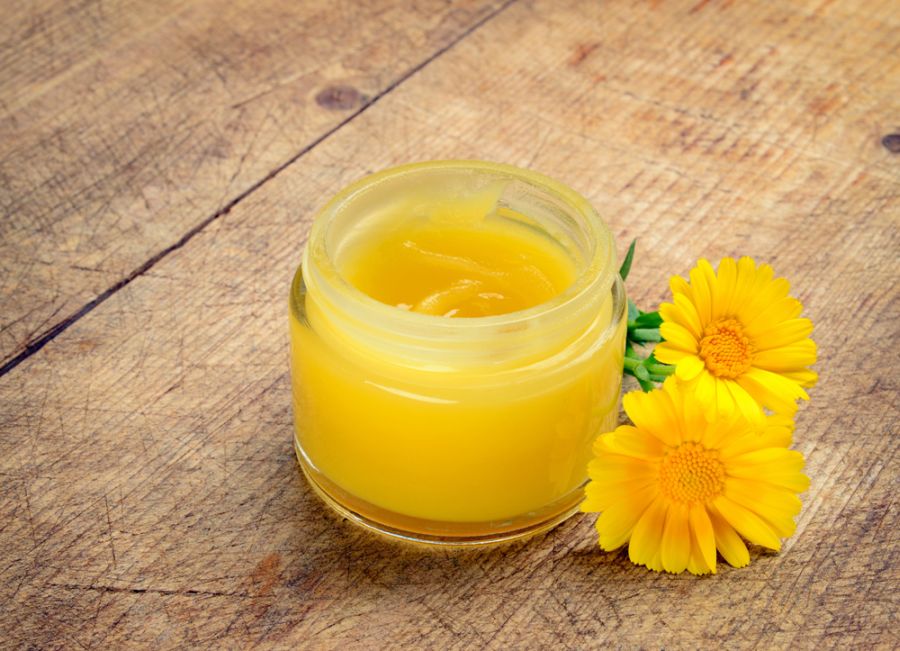
homemade calendula cream

How Calendula Supports Skin Health

The therapeutic actions of calendula are primarily attributed to its rich concentration of bioactive compounds. For instance, triterpenoid esters, such as faradiol monoester, are powerful anti-inflammatory agents. Furthermore, flavonoids like quercetin and isorhamnetin provide antioxidant effects, protecting skin cells from oxidative stress. According to the European Medicines Agency (EMA) monograph on *Calendula officinalis*, its preparations are traditionally used for the symptomatic treatment of minor inflammation of the skin and as an aid in the healing of minor wounds.

Evidence-Based Recipe for Calendula Cream

This recipe creates a simple yet effective cream. The key is to first create a high-quality calendula-infused oil, which will serve as the base for your cream.

Part 1: Preparing Calendula-Infused Oil

Ingredients:

  • Dried *Calendula officinalis* flowers (enough to fill a glass jar halfway)
  • High-quality carrier oil (e.g., organic olive oil, sweet almond oil, or jojoba oil) to fill the jar

Instructions:

  1. Fill a clean, dry glass jar about halfway with the dried calendula flowers.
  2. Pour the carrier oil over the flowers until they are completely submerged and the jar is nearly full.
  3. Seal the jar tightly and place it in a sunny, warm spot for 3 to 4 weeks to macerate. This process, known as solar infusion, gently extracts the plant’s oil-soluble compounds. Shake the jar gently every day.
  4. After the infusion period, strain the oil through a cheesecloth or fine-mesh sieve into a clean bowl, squeezing the cloth to extract as much oil as possible. This is your calendula-infused oil.

Part 2: Making the Cream

Ingredients:

  • 120 ml (approx. 1/2 cup) of your homemade calendula-infused oil
  • 15 g (approx. 1.5 tablespoons) of beeswax pellets or grated beeswax

Instructions:

  1. Set up a double boiler. If you don’t have one, place a heatproof bowl over a saucepan filled with a few inches of simmering water.
  2. Add the calendula oil and beeswax to the double boiler. Heat gently, stirring occasionally, until the beeswax has completely melted into the oil.
  3. Once melted, carefully remove the bowl from the heat. Stir the mixture briskly as it begins to cool to ensure it homogenizes into a smooth, creamy consistency.
  4. Quickly pour the warm mixture into sterilized, dry glass jars or tins. Allow it to cool completely at room temperature, where it will solidify into a cream.
  5. Store in a cool, dark place. Properly stored, it should last for up to a year.

Validated Uses for Topical Calendula

While traditional use is broad, scientific evidence and official monographs support the use of calendula cream for specific, minor skin conditions. It is crucial to understand that it is not a cure for serious diseases.

  • Minor Skin Inflammation: Helps soothe redness and irritation associated with conditions like diaper rash and minor dermatitis.
  • Wound Healing Support: Clinical observations show it may aid in the healing of minor cuts, scrapes, and superficial burns by promoting tissue regeneration.
  • Dry and Chapped Skin: The oil and beeswax base provides a protective barrier, hydrating the skin and preventing moisture loss.
  • Radiation Dermatitis: Some clinical trials, including a study published in the *Journal of Clinical Oncology*, suggest that calendula ointment may be effective in reducing the incidence of acute dermatitis in patients undergoing radiation therapy for breast cancer.

Administration Protocol and Safety Limits

For safe and effective use, follow these guidelines for applying homemade calendula cream.

  • Application Frequency: Apply a thin layer to the affected area 2 to 4 times per day.
  • Preparation: Always clean the skin with mild soap and water and pat dry before applying the cream.
  • Treatment Duration: For minor acute conditions, use until the issue resolves. However, if there is no improvement after one week, or if the condition worsens, consult a healthcare provider.
  • Patch Test: Before widespread use, perform a patch test by applying a small amount of cream to the inner forearm. Wait 24 hours to check for any signs of irritation or allergic reaction.

Specific Biological Limitation

The primary limitation of calendula relates to allergic cross-reactivity. *Calendula officinalis* is a member of the Asteraceae (daisy) family. Individuals with a known allergy to other plants in this family, such as ragweed, chamomile, chrysanthemums, or daisies, have a higher risk of developing an allergic reaction to calendula. This reaction typically manifests as allergic contact dermatitis, characterized by redness, itching, and rash at the site of application.

Contraindications and Precautions

It is essential to be aware of situations where calendula use is not advised.

  • Absolute Contraindication: Do not use if you have a known allergy to calendula or any plant in the Asteraceae family.
  • Open Wounds: Avoid applying homemade, non-sterile creams to deep, open, or infected wounds. For serious injuries, seek immediate medical attention.
  • Pregnancy and Breastfeeding: While topical use is generally considered safe, there is insufficient data to confirm its absolute safety. Therefore, it is prudent to consult a healthcare provider before use during pregnancy or while breastfeeding.
  • Adverse Effects: The most common side effect is allergic contact dermatitis. If you experience a rash, itching, or worsening irritation, discontinue use immediately.

Therapeutic Alternatives

If calendula is not suitable for you, other botanicals offer similar skin-soothing benefits. Always perform a patch test before using a new herbal product.

Alternative Primary Use Notes
German Chamomile (Matricaria recutita) Soothing inflammation, eczema, and skin irritation. Contains anti-inflammatory compounds like chamazulene. Also in the Asteraceae family, so cross-allergy is possible.
Comfrey (Symphytum officinale) Supporting the healing of bruises, sprains, and minor wounds (on unbroken skin). CRITICAL: Use only on unbroken skin and ensure the product is certified free of pyrrolizidine alkaloids (PAs), which can be toxic.
St. John’s Wort (Hypericum perforatum) Oil Minor burns, sunburn, and wound healing. Can cause photosensitivity. Avoid sun exposure on areas where the oil has been applied.

Recent Medical Research (2020-2026)

Recent research continues to explore the mechanisms behind calendula’s therapeutic effects. A 2021 systematic review published in the journal *Phytotherapy Research* reaffirmed the plant’s significant wound-healing and anti-inflammatory properties, highlighting its potential in dermatology. Furthermore, studies are investigating its specific molecular pathways, suggesting that calendula extracts can modulate inflammatory cytokines and promote fibroblast proliferation, which is essential for tissue repair. However, researchers agree that more large-scale, high-quality human trials are needed to establish standardized dosing and confirm its efficacy for a broader range of dermatological conditions.

Specialist’s Summary

Calendula is a valuable and safe topical remedy for minor skin inflammation, irritation, and superficial wounds, with effects supported by both traditional use and modern science. Its primary contraindication is for individuals with allergies to the Asteraceae plant family. For those who cannot use it, German chamomile or St. John’s Wort oil are excellent validated alternatives for similar skin-soothing purposes.

Frequently Asked Questions

1. Can I use homemade calendula cream on my face?
Yes, calendula cream is generally gentle enough for facial skin, especially for soothing dry patches or minor irritation. However, because it contains oil and beeswax, it may feel heavy or clog pores in individuals with very oily or acne-prone skin. Always perform a patch test first.

2. Is calendula cream safe for babies?
Calendula is a common ingredient in natural baby products for soothing diaper rash and skin irritation. A homemade cream without essential oils is generally considered safe. Nevertheless, it is crucial to perform a patch test on a small area of the baby’s skin first to rule out any allergic reaction.

3. How long does homemade calendula cream last?
When prepared with dried herbs and stored in a sterilized, airtight container in a cool, dark place, the cream can last for up to one year. If you notice any change in smell, color, or texture, or see signs of mold, discard it immediately.

Sources and References

  • European Medicines Agency (EMA). (2018). European Union herbal monograph on Calendula officinalis L., flos.
  • Arora, D., Rani, A., & Sharma, A. (2013). A review on phytochemistry and ethnopharmacological aspects of genus Calendula. *Pharmacognosy Reviews*.
  • Pommier, P., et al. (2004). Phase III randomized trial of Calendula officinalis compared with trolamine for the prevention of acute dermatitis during irradiation for breast cancer. *Journal of Clinical Oncology*.
  • Leach, M. J. (2008). Calendula officinalis and wound healing: A systematic review. *Wounds: a compendium of clinical research and practice*.

⚠️ Important Medical Information

This article is for educational and informational purposes only and is not intended as medical advice, diagnosis, or treatment. The information provided about Calendula is based on traditional use, preliminary research, and available scientific evidence, which may be limited.

Before using Calendula:

  • Consult a qualified healthcare provider, especially if you are pregnant, breastfeeding, taking medications, or have existing health conditions like allergies.
  • Do not use as a substitute for prescribed medications or professional medical treatment for serious skin conditions.
  • Individual results may vary – what works for one person may not work for another.
  • Monitor for adverse reactions and discontinue use if negative symptoms occur.

Regulatory status: Calendula is considered a traditional remedy and is not evaluated by the FDA for treating, curing, or preventing any disease.


You may also like

2 comments

Nicole Riep
Nicole Riep March 12, 2016 - 16:52

Looking good there Fam

Reply
Marj Schumann
Marj Schumann March 14, 2016 - 04:14

I grow these every year,so I will try this recipe.

Reply

Leave a Comment