Nourishing Coconut Oil Body Butter: A Safe DIY Recipe for Dry Skin
Winter weather can be particularly harsh on the skin, often leading to dryness, flaking, and discomfort. This occurs because cold air and low humidity can compromise the skin’s natural protective barrier, increasing transepidermal water loss (TEWL). While many commercial products are available, a carefully prepared homemade body butter can offer a natural way to support skin hydration.
This recipe utilizes the emollient properties of coconut oil, but it is crucial to understand the scientific basis of its ingredients and the necessary safety protocols, especially when using citrus components.
Understanding the Key Ingredients: A Scientific Perspective
Before preparing the butter, it is essential to understand the properties and potential risks of each component.
* Organic Coconut Oil (Cocos nucifera): As the base of this recipe, coconut oil acts as an excellent emollient and occlusive. Emollients help to soften and smooth the skin, while occlusives form a protective layer that reduces moisture loss. Furthermore, coconut oil is rich in saturated fatty acids, particularly lauric acid, which research suggests has antimicrobial properties. A study published in the *International Journal of Dermatology* found that virgin coconut oil applied topically was effective in improving skin hydration and reducing symptoms of atopic dermatitis.
* Citrus Zest and Essential Oils (Lemon & Orange): These ingredients are included for their aroma and potential antioxidant benefits, primarily due to a compound called limonene. However, they also introduce a significant safety concern. Specifically, many citrus essential oils, particularly cold-pressed lemon oil, contain furanocoumarins like bergapten. These compounds are phototoxic, meaning they can cause severe skin reactions—such as redness, blistering, and hyperpigmentation—when the treated skin is exposed to ultraviolet (UV) radiation from the sun or tanning beds.
Evidence-Based Recipe for a Nourishing Body Butter
This recipe is designed for individuals who are aware of and can adhere to the strict safety protocols required when using citrus-derived ingredients topically.
Ingredients:
- 1 cup of organic, cold-pressed virgin coconut oil
- Zest from half an organic lime (optional, see safety notes)
- Zest from half an organic orange (optional, see safety notes)
- Zest from half an organic lemon (optional, see safety notes)
- 4-5 drops of sweet orange essential oil (Citrus sinensis)
- 4-5 drops of steam-distilled lemon essential oil (Citrus limon) – *Note: Steam-distilled is preferred as it typically contains fewer phototoxic compounds than cold-pressed versions, though risk is not eliminated.*
Preparation Instructions:
- Gently melt the coconut oil in a double boiler or a pan on very low heat until it becomes liquid. Avoid overheating.
- Once melted, pour the oil into a heatproof bowl and stir to ensure there are no lumps. Allow it to cool for several minutes until it is warm, not hot.
- Afterward, stir in the citrus zests, if using.
- Crucially, wait until the mixture is close to room temperature before adding the essential oils. High heat can degrade the volatile compounds in essential oils.
- Place the bowl in the refrigerator until the mixture becomes semi-solid (firm enough to leave a fingerprint but not rock-hard). This may take about an hour.
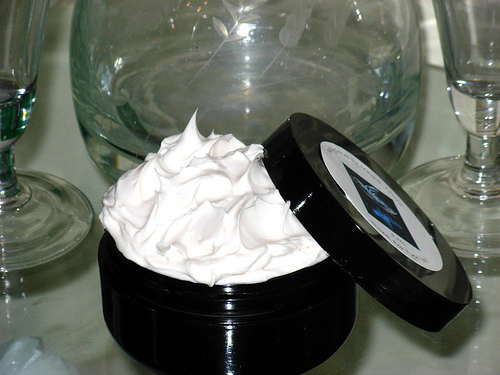
- Next, use a hand mixer or stand mixer to whip the solidified mixture for 3-5 minutes, or until it achieves a light, fluffy, butter-like consistency.
- Finally, transfer the finished body butter into a clean, airtight glass jar. Store it in a cool, dark place to prevent it from melting.
Administration Protocol and Safety Limits
Proper application is critical for both efficacy and safety.
⚠️ WARNING – High Risk of Phototoxicity!
The citrus ingredients in this recipe contain compounds that can cause severe skin reactions upon sun exposure. Strictly avoid exposing treated skin to direct sunlight or UV tanning beds for at least 12-24 hours after application. Failure to do so can result in painful burns, blisters, and long-lasting skin discoloration (hyperpigmentation).
- Patch Test Protocol: Before using the butter on a large area, you must perform a patch test. Apply a small amount to a discreet area of skin, such as the inner forearm. Cover the area and wait 24-48 hours to check for any signs of irritation, redness, or allergic reaction.
- Application Frequency: Apply a thin layer to clean, dry skin once daily, preferably in the evening to avoid accidental sun exposure.
- Quantity: Use only enough to lightly moisturize the skin. Over-application can lead to a greasy feeling and increase the risk of clogged pores for some individuals.
Specific Biological Limitation
The primary limitation of this formulation is the phototoxic mechanism of furanocoumarins found in citrus. When these molecules are present on the skin, they absorb UVA radiation. Consequently, this energy absorption causes them to form bonds with skin cell DNA, leading to cell damage and a significant inflammatory response known as phytophotodermatitis. This is not an allergic reaction but a direct toxic effect triggered by UV light.
Contraindications and Precautions
This body butter is not suitable for everyone.
- Absolute Contraindications: Do not use if you have a known allergy to coconut or any citrus fruit. Avoid application on broken, damaged, inflamed, or eczematous skin.
- Vulnerable Populations:
- Pregnancy and Breastfeeding: Consult a healthcare provider before use. While topical application is generally considered low-risk, the potential for skin sensitivity is higher during pregnancy.
- Children: Not recommended for use on children under 10 due to their more sensitive skin and higher risk of sensitization and accidental sun exposure.
- Documented Adverse Effects:
- Common: Mild skin irritation, clogged pores (comedogenicity), especially in acne-prone individuals.
- Severe (if exposed to UV light): Phytophotodermatitis, characterized by severe redness, burning, blistering, and hyperpigmentation.
- When to Stop Immediately: Discontinue use if you experience any itching, rash, burning sensation, or other signs of skin irritation.
Therapeutic Alternatives
If this recipe is unsuitable due to the phototoxicity risk or potential for skin sensitivity, consider these evidence-based alternatives for dry skin.
| Alternative | Mechanism and Benefits |
|---|---|
| Shea Butter (Vitellaria paradoxa) | Rich in oleic and stearic acids, as well as vitamin E. It is a powerful emollient with anti-inflammatory properties. It is generally considered non-comedogenic and is an excellent, safe alternative for deep moisturization without phototoxicity risks. |
| Calendula-Infused Oil (Calendula officinalis) | Traditionally used to soothe irritated and inflamed skin. Studies suggest calendula promotes skin hydration and firmness. Infusing calendula flowers into a carrier oil like jojoba or almond oil creates a gentle, healing moisturizer suitable for sensitive skin. |
| Colloidal Oatmeal (Avena sativa) | Recognized by regulatory bodies like the FDA for its skin-protectant properties. It contains avenanthramides, which have anti-inflammatory and anti-itch effects. Adding colloidal oatmeal to creams or baths can significantly relieve dry, itchy skin associated with conditions like xerosis or eczema. |
Recent Medical Research (2020-2026)
Recent research continues to validate the topical benefits of natural lipids while also highlighting potential risks.
* A 2022 review in the journal *Metabolites* explored the role of plant-derived lipids in skin health, confirming that oils rich in essential fatty acids, like those found in shea butter and other nut oils, can effectively reinforce the skin’s lipid barrier and reduce inflammation.
* Conversely, a 2021 case report in *Photodermatology, Photoimmunology & Photomedicine* reiterated the dangers of topical citrus oils, documenting severe cases of phytophotodermatitis from DIY skincare products, emphasizing the need for public awareness and clear safety warnings.
This highlights a critical point: “natural” does not automatically mean “safe.” Therefore, understanding the specific biochemistry of each ingredient is paramount.
Specialist’s Summary
This homemade body butter utilizes the proven emollient effects of coconut oil to hydrate dry skin. However, the inclusion of citrus zest and essential oils introduces a significant and serious risk of phototoxicity, which requires strict avoidance of sun exposure after application. This formulation is contraindicated for individuals with sensitive skin, citrus allergies, and children. For safer, effective hydration, validated alternatives like shea butter, calendula-infused oil, or products containing colloidal oatmeal are strongly recommended.
Frequently Asked Questions
1. Can I use this body butter on my face?
It is not recommended. Coconut oil is comedogenic (can clog pores) for many people, potentially leading to breakouts. More importantly, the high risk of a phototoxic reaction on the face, which is almost always exposed to ambient UV light, makes it unsafe.
2. How can I make this recipe safer?
To eliminate the risk of phototoxicity, simply omit all citrus ingredients (zest and essential oils). You can replace them with a few drops of a non-phototoxic essential oil like Lavender (Lavandula angustifolia) or Roman Chamomile (Chamaemelum nobile) for a pleasant scent and calming properties.
3. Why did my skin turn red and burn after I used the butter and went outside?
This is a classic phytophotodermatitis reaction. The furanocoumarins from the citrus components on your skin were activated by UV radiation from the sun, causing a chemical burn. You should stop using the product immediately and consult a healthcare provider if the reaction is severe.
4. Is this body butter safe during pregnancy or for children?
It is not recommended. During pregnancy, skin can become more sensitive. For children, the risk of severe phototoxic reactions and skin sensitization is higher. Safer, non-citrus alternatives like plain shea butter or calendula cream are much better choices.
Sources and References
- Agero, A. L., & Verallo-Rowell, V. M. (2004). A randomized double-blind controlled trial comparing extra virgin coconut oil with mineral oil as a moisturizer for mild to moderate xerosis. *Dermatitis*, 15(3), 109-116.
- Lin, T. K., Zhong, L., & Santiago, J. L. (2017). Anti-Inflammatory and Skin Barrier Repair Effects of Topical Application of Some Plant Oils. *International journal of molecular sciences*, 19(1), 70.
- Bolognia, J. L., Schaffer, J. V., & Cerroni, L. (2017). *Dermatology*. Elsevier Health Sciences. (Chapter on Phytophotodermatitis).
- European Medicines Agency (EMA). (2018). Community herbal monograph on *Calendula officinalis* L., flos.
⚠️ Important Medical Information
This article is for educational and informational purposes only and is not intended as medical advice, diagnosis, or treatment. The information provided about this homemade body butter recipe is based on traditional use and available scientific evidence, which highlights both benefits and significant risks.
Before using this recipe:
- Consult a qualified healthcare provider or dermatologist, especially if you are pregnant, breastfeeding, have sensitive skin, or have existing health conditions like eczema or psoriasis.
- Do not use as a substitute for prescribed medications or professional medical treatment for skin conditions.
- A patch test is mandatory to rule out allergic reactions or sensitivity.
- Understand and strictly adhere to the sun avoidance protocol to prevent severe phototoxic reactions. Discontinue use immediately if negative symptoms occur.



