An oily complexion occurs when the skin’s sebaceous glands produce an excess of sebum, a natural oil that lubricates and protects the skin. While this skin type may be less prone to premature wrinkling, overactive sebum production can lead to clogged pores, shininess, and an increased likelihood of developing acne. Genetics play a significant role in determining skin type; however, a consistent and appropriate skincare routine can help manage oil production and improve the skin’s overall health and appearance.
Effective management begins not with harsh stripping of oils, but with creating balance. The goal is to reduce excess sebum and minimize pore congestion while maintaining the skin’s protective barrier. This involves a combination of proper cleansing, appropriate hydration, and the use of targeted topical agents.
Foundational Skincare for Oily Complexions
Before incorporating specific remedies, it is crucial to establish a foundational daily routine. Many common mistakes can inadvertently worsen oiliness.
- Gentle Cleansing: Use lukewarm, not hot, water to wash your face. Hot water can strip the skin of its natural oils, triggering a compensatory overproduction of sebum. Choose a gentle, pH-balanced cleanser. For those with acne, a formula containing a mild antibacterial agent or salicylic acid may be beneficial.
- Appropriate Hydration: A common misconception is that oily skin does not require a moisturizer. Dehydrated skin can also overproduce oil to compensate. Therefore, using a lightweight, non-comedogenic (non-pore-clogging), and oil-free moisturizer is essential to keep the skin balanced.
- Sun Protection: Daily use of a broad-spectrum sunscreen is critical. Opt for gel-based or fluid formulations designed for oily skin to avoid a greasy finish and prevent clogged pores.
Evidence-Based Botanical Interventions
Several botanical ingredients, when used correctly, can help regulate sebum and improve the texture of oily skin. The most effective remedies are those with astringent, absorbent, or anti-inflammatory properties.
Witch Hazel (Hamamelis virginiana) Toner
Witch hazel is a natural astringent derived from the bark and leaves of the Hamamelis virginiana shrub. Its therapeutic effects are primarily due to its high tannin content, which helps to temporarily tighten pores and remove excess oil from the skin’s surface. It is crucial to select an alcohol-free formulation, as alcohol can be overly drying and cause irritation.
Administration Protocol and Safety Limits
| Protocol | Specification |
|---|---|
| Application Frequency | Apply once or twice daily, after cleansing and before moisturizing. |
| Method | Apply a small amount of alcohol-free witch hazel distillate to a cotton pad and gently wipe over the face, avoiding the eye area. Do not rinse. |
| Treatment Duration | Continuous use is generally safe if well-tolerated, but monitor for signs of dryness or irritation. If dryness occurs, reduce frequency to every other day or discontinue use. |
| Safety Precaution | Always perform a patch test on a small area of skin (e.g., behind the ear) 24 hours before first use to check for sensitivity. |
Specific Biological Limitation
Tannin-Induced Astringency: Witch hazel contains tannins, which are polyphenolic compounds that precipitate proteins. When applied to the skin, they cause a constricting or tightening sensation by cross-linking skin proteins. While this effect is beneficial for reducing the appearance of pores and controlling surface oil, excessive use can disrupt the skin’s lipid barrier, leading to dryness, irritation, and potential rebound oil production. Individuals with sensitive or reactive skin may be more susceptible to this effect.
Therapeutic Clay Masks
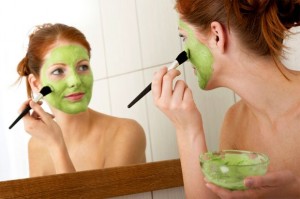
Clay masks, particularly those made with Bentonite or Kaolin clay, are highly effective for managing oily skin. These clays have powerful adsorbent properties, meaning they can bind to and draw out impurities, bacteria, and excess sebum from the pores. This deep-cleansing action helps to reduce shine and prevent breakouts.

Homemade Clay Mask Recipe:
- In a non-metallic bowl, combine one tablespoon of cosmetic-grade clay (Bentonite or Kaolin) with one to two tablespoons of purified water or alcohol-free witch hazel.
- Stir with a non-metallic utensil (wood or plastic) until a smooth, spreadable paste forms.
- Apply a thin, even layer to your clean face, avoiding the eye and mouth areas.
- Leave the mask on for 10-15 minutes, or until it is firm but not completely dry and cracked.
- Rinse thoroughly with lukewarm water and pat your skin dry with a soft towel. Follow immediately with a lightweight moisturizer.
Administration Protocol and Safety Limits
Use a clay mask 1-2 times per week. Overuse can lead to excessive dryness and irritation. Always moisturize after use to replenish hydration. Avoid inhaling the dry clay powder during preparation, as it can be an irritant to the respiratory system.
Contraindications and Precautions
While generally safe for topical use, these natural remedies are not suitable for everyone.
- Absolute Contraindications: Do not use these remedies on broken, wounded, or infected skin. Individuals with a known allergy to the specific plant (e.g., witch hazel) should avoid its use.
- Vulnerable Populations: While topical use is generally considered low-risk, individuals who are pregnant, breastfeeding, or have pre-existing skin conditions like rosacea or eczema should consult a healthcare professional before starting any new treatment.
- When to Stop Immediately: Discontinue use if you experience signs of an allergic reaction, such as severe redness, itching, swelling, or rash.
Therapeutic Alternatives
If these remedies are not suitable or effective, consider the following evidence-based alternatives.
- Botanical Alternatives: Green tea (Camellia sinensis) extract, applied topically, has been shown in studies to significantly reduce sebum production due to its high content of epigallocatechin gallate (EGCG). Look for serums or toners containing this ingredient.
- Pharmacological Options: Over-the-counter products containing salicylic acid, niacinamide, or topical retinoids are highly effective for managing oily and acne-prone skin. For persistent issues, a dermatologist can provide guidance and prescription-strength treatments.
Recent Medical Research (2020-2026)
Recent research continues to validate the use of certain botanicals in dermatology. For instance, a 2020 review in the journal Molecules highlighted the multi-faceted benefits of green tea polyphenols, including their sebum-reducing, anti-inflammatory, and antimicrobial properties, making them a promising agent for acne and oily skin management. Studies also continue to explore the microbiome of oily skin, suggesting that future treatments may focus on balancing skin flora to control sebum.
Specialist’s Summary
Managing an oily complexion is best achieved through a consistent routine of gentle cleansing, proper hydration, and targeted treatments. Botanicals like alcohol-free witch hazel and clay masks offer effective, evidence-supported options for controlling excess sebum and refining pores. These should be used with caution, paying close attention to skin tolerance to avoid over-drying. If home remedies are insufficient, well-researched alternatives like green tea extract or pharmacological agents such as salicylic acid are excellent next steps.
Frequently Asked Questions
Why does my skin feel oilier after using products designed for oily skin?
This phenomenon, known as rebound sebum production, can occur if you use products that are too harsh or stripping. When the skin’s protective oil barrier is removed, it may overcompensate by producing even more oil. The key is to use gentle, balancing products rather than aggressive, drying ones.
Can my diet affect how oily my skin is?
Yes, emerging research suggests a link between diet and sebum production. High-glycemic index foods (such as sugary snacks and refined carbohydrates) can spike insulin levels, which may in turn stimulate oil production. A balanced diet rich in whole foods may help support healthier skin.
How often should I use a clay mask for oily skin?
For most people with oily skin, using a clay mask one to two times per week is sufficient. Using it more frequently can lead to excessive dryness and irritation, potentially worsening the problem. Always listen to your skin and adjust accordingly.
Sources and References
- Saric, S., & Sivamani, R. K. (2016). A review of the role of botanical agents in acne vulgaris. Journal of Ethnopharmacology, 176, 210-220.
- Kim, S., Park, T. H., & Kim, W. I. (2020). The Effects of Green Tea on Acne Vulgaris. Molecules, 25(23), 5733. https://www.ncbi.nlm.nih.gov/pmc/articles/PMC7764123/
- Thring, T. S., Hili, P., & Naughton, D. P. (2011). Antioxidant and potential anti-inflammatory activity of extracts and formulations of white tea, rose, and witch hazel on primary human dermal fibroblast cells. Journal of Inflammation, 8(1), 27.