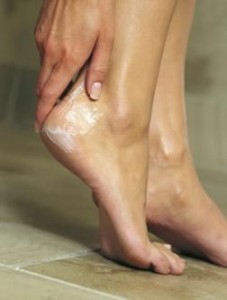
Cracked heels, medically known as heel fissures, are a common foot condition affecting many individuals. While often viewed as a cosmetic concern, deep fissures can become painful and may even lead to bleeding or infection if left unmanaged. This condition typically arises from excessively dry skin (xerosis) combined with pressure on the heel pad. Contributing factors include prolonged standing, wearing open-heeled footwear, dry air, and inadequate foot care. Fortunately, a consistent home care routine using evidence-based remedies can significantly improve skin texture and promote healing.
⚠️ **WARNING – Seek Medical Advice If You Have Diabetes or Poor Circulation!**
*Individuals with diabetes, peripheral neuropathy, or circulatory problems should NOT self-treat cracked heels. These conditions can impair sensation and healing, increasing the risk of ulcers and severe infections. Please consult a podiatrist or physician for proper evaluation and management.*

A Three-Step Approach to Heel Care
An effective regimen for managing cracked heels involves three key stages: soaking to soften the skin, gentle exfoliation to remove dead cells, and intensive moisturization to hydrate and protect the new skin. Consistency is crucial for achieving and maintaining results.
Step 1: Soaking and Softening the Skin
Soaking the feet in warm water helps to soften the thick, callused skin, making it easier to manage. This step prepares the heels for exfoliation and improves the absorption of moisturizers.
- Honey and Warm Water Soak: Honey is a natural humectant, meaning it draws and retains moisture. Furthermore, its antimicrobial properties may help prevent infection in minor cracks. To prepare this soak, dissolve one cup of raw honey in a basin of warm (not hot) water. Immerse your feet for 15-20 minutes.
- Epsom Salt Soak: Alternatively, adding half a cup of Epsom salt (magnesium sulfate) to a warm foot bath can help soften skin and may reduce minor inflammation. Soak for 15 minutes before proceeding to the next step.
Step 2: Gentle Exfoliation
After soaking, the dead skin on your heels will be softer and easier to remove. The goal is to gently slough off the outermost layer of hard skin without causing irritation or injury.
- Pumice Stone: While your feet are still damp, gently rub a pumice stone over the callused areas in a circular motion. Apply light pressure and avoid scrubbing aggressively, as this can damage the skin.
- Rice Flour Scrub: For a milder exfoliant, you can create a natural scrub. Mix a handful of coarse rice flour with a few teaspoons of honey and a small amount of coconut oil to form a thick paste. Apply this to your heels and massage gently for several minutes before rinsing with warm water.
Important: Never use razors, scissors, or other sharp tools to cut away callused skin. This practice carries a high risk of injury and infection.
Step 3: Intensive Moisturization
This is the most critical step for healing and preventing cracked heels. Apply a thick moisturizer immediately after soaking and exfoliating to lock in moisture.
- Paraffin Wax Treatment: Paraffin wax is an excellent occlusive, forming a protective barrier that seals in moisture. For a safe home treatment, melt a block of cosmetic-grade paraffin wax with an equal part of coconut or olive oil in a double boiler. Allow the mixture to cool until a thin film forms on the surface—it should be warm, not hot, to the touch. Carefully dip your heels into the wax a few times until a thick layer forms. Cover with plastic wrap and a towel for 30 minutes before peeling off the wax.
- Banana and Avocado Mask: Ripe bananas and avocados are rich in vitamins and natural oils that nourish the skin. Mash one ripe banana with half an avocado to create a smooth paste. Apply this nutrient-rich mask to your heels, leave it on for 20 minutes, and then rinse thoroughly.
- Plant-Based Oils and Butters: After your daily bath or foot soak, liberally apply a high-quality emollient like shea butter, cocoa butter, or coconut oil to your heels. For best results, put on a pair of cotton socks overnight to enhance absorption and protect your bedding.
General Safety Protocol for Topical Treatments
To ensure safety and efficacy when using home remedies, follow these essential protocols.
| Protocol | Instructions |
|---|---|
| Patch Testing | Before applying any new ingredient to a large area, test it on a small patch of skin (e.g., the inside of your wrist) and wait 24 hours to check for irritation or allergic reactions. |
| Application on Intact Skin | Do not apply these remedies to deep, bleeding, or infected fissures. Cover open wounds with a sterile dressing and seek medical advice. |
| Consistency and Duration | Apply moisturizers at least twice daily, especially after bathing and before bed. Continue the routine even after heels have improved to prevent recurrence. If there is no improvement after 2-3 weeks, consult a healthcare professional. |
Contraindications and When to See a Doctor
While home care is effective for mild to moderate cases, certain signs and conditions warrant professional medical attention.
Absolute Contraindications for Self-Treatment:
- Signs of Infection: Do not attempt home remedies if you notice redness, swelling, severe pain, warmth, or pus draining from the fissures. These are signs of a bacterial infection that requires medical treatment.
- Deep, Bleeding Fissures: Very deep cracks that bleed easily are prone to infection and require professional care from a podiatrist.
- Underlying Medical Conditions: As mentioned, individuals with diabetes, peripheral artery disease, or any condition causing compromised immunity or circulation must see a doctor.
Therapeutic Alternatives
If home remedies are insufficient or unsuitable, other effective options are available.
Botanical Alternatives with Studies:
- Calendula (Calendula officinalis): Ointments containing Calendula extract are well-regarded for their wound-healing and anti-inflammatory properties. Calendula can help soothe irritated skin and promote tissue regeneration in minor cracks.
- Shea Butter (Vitellaria paradoxa): Unrefined shea butter is a superb emollient rich in fatty acids and vitamins A and E. It provides intense moisture and forms a protective barrier, making it an excellent alternative or addition to coconut oil.
Pharmacological Options:
- Urea-based Creams: Over-the-counter creams containing 10-25% urea are highly effective. Urea is a keratolytic agent that helps break down thick, callused skin while also being a powerful humectant that hydrates deeply.
- Salicylic Acid or Alpha-Hydroxy Acids (AHAs): Products with these ingredients help exfoliate and soften thick skin. They are often found in specialized foot creams but should be used with care to avoid irritation.
Note: Always consult a pharmacist or doctor before starting a new pharmacological treatment.
Recent Medical Research (2020-2026)
Recent dermatological research continues to validate the importance of a multi-faceted approach to treating xerosis and heel fissures, emphasizing the synergy between exfoliation and hydration.
- A 2021 review on topical humectants highlighted the superior efficacy of ingredients like urea and glycerin in restoring the skin’s barrier function compared to simple emollients alone.
- Studies on the therapeutic properties of honey, such as a 2021 article in Cosmetics, continue to confirm its value in dermatology for its antimicrobial, anti-inflammatory, and tissue-regenerating effects, supporting its use in wound care and skin hydration.
Current Limitations: While traditional remedies are widely used, high-quality clinical trials directly comparing different botanical treatments for cracked heels are limited. Most evidence is based on the known properties of individual ingredients.
Specialist’s Summary
Managing cracked heels effectively relies on a consistent routine of soaking, gentle exfoliation, and intensive moisturization. Natural ingredients like honey, shea butter, and coconut oil offer significant hydrating and protective benefits. For more persistent cases, over-the-counter creams containing urea are a clinically validated option. It is absolutely critical for individuals with diabetes or circulatory issues to seek professional podiatric care to prevent serious complications.
Frequently Asked Questions
How long does it take to heal cracked heels?
With a consistent daily routine, you should see noticeable improvement in mild to moderate cracked heels within one to two weeks. Deeper fissures may take longer to heal completely. If there is no improvement after three weeks, consult a healthcare professional.
Is it safe to use a foot file or razor on my heels?
Using a razor or sharp blade is extremely dangerous and is strongly discouraged. It can easily cause deep cuts and lead to severe infections. A pumice stone or a gentle foot file is a much safer tool for exfoliation.
What is the single most important step for preventing cracked heels?
Daily moisturization is the most critical preventative measure. Applying a thick, emollient-rich cream or oil to your feet every night before bed helps maintain skin elasticity and prevents the dryness that leads to cracking.
Sources and References
- Harb, J., & Chaudhry, H. (2021). Honey in Dermatology and Skin Care: A Review. Cosmetics, 8(2), 45. https://www.mdpi.com/2079-9284/8/2/45
- Augustin, M., Woringer, M., & Kuptel, D. (2021). Humectants for the Treatment of Xerosis: A Systematic Review. Journal of the German Society of Dermatology, 19(S2), 1-28. https://www.ncbi.nlm.nih.gov/pmc/articles/PMC7827745/
- American Academy of Dermatology Association. (n.d.). How to heal cracked heels. https://www.aad.org/public/everyday-care/skin-care-basics/dry/heal-cracked-heels