Anxiety is a common human experience, characterized by feelings of worry, nervousness, or unease. Physiologically, it can manifest as an increased heart rate, rapid breathing, and persistent negative thoughts. While these feelings are a normal response to stress, persistent or overwhelming anxiety may indicate a clinical condition requiring medical evaluation. For managing mild, situational stress, certain phytotherapeutic agents have demonstrated efficacy. This guide explores evidence-based herbal options, emphasizing their proper use, safety limits, and contraindications. It is crucial to understand that these remedies are intended to support well-being and are not a substitute for professional medical diagnosis or treatment for anxiety disorders.

1. German Chamomile (Matricaria recutita)
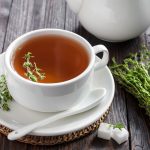
Chamomile is one of the most well-researched and widely used medicinal plants for promoting relaxation and reducing mild anxiety symptoms. Its calming effects are primarily attributed to the flavonoid apigenin, which binds to specific receptors in the brain, producing a gentle sedative-like effect without the risks of conventional sedatives.
Administration Protocol and Safety Limits
Treatment Duration: Can be used daily for up to 8-12 weeks, followed by a mandatory 2-week break to assess continued need.
Maximum Daily Dose:
Tea: 3-4 cups per day (using 1-2 grams of dried flowers per cup).
Standardized Extract: 220-1100 mg daily, divided into two doses. Do not exceed the manufacturer’s recommended dosage.
Overdose Risk: Extremely high doses are unlikely to be toxic but may cause significant drowsiness, nausea, or vomiting.
Administration Condition: Tea can be consumed throughout the day, but is particularly effective in the evening to promote relaxation before sleep. Take extracts with food to minimize potential gastric irritation.
Specific Biological Limitation
Mild Anticoagulant Activity: Chamomile contains natural compounds called coumarins, which possess mild blood-thinning properties. While this effect is negligible in healthy individuals at standard doses, it becomes clinically significant in patients already taking anticoagulant or antiplatelet medications, as it can potentiate their effects and increase the risk of bleeding.
Contraindications and Precautions
Absolute Contraindications: Known allergy to the Asteraceae family (e.g., ragweed, daisies, marigolds, chrysanthemums).
Vulnerable Populations:
Pregnancy: Avoid, as it may have uterine-stimulating properties.
Breastfeeding: Considered likely safe, but consult a healthcare provider.
Children: Safe in appropriate, reduced doses, but medical consultation is advised.
Major Drug Interactions:
Anticoagulants (Warfarin, Heparin): Increases bleeding risk.
Sedatives (Benzodiazepines, Barbiturates): May enhance sedative effects.
Cytochrome P450 Substrates: May interfere with the metabolism of various medications.
2. Valerian Root (Valeriana officinalis)
Valerian is a potent nervine and sedative hypnotic, primarily indicated for anxiety linked to sleep disturbances and insomnia. Its mechanism involves increasing the availability of gamma-aminobutyric acid (GABA), a neurotransmitter that reduces neuronal excitability. It is not recommended for daytime anxiety due to its strong sedative properties.
⚠️ WARNING – May Cause Drowsiness and Impair Motor Skills!
Valerian is a central nervous system depressant. Do not drive, operate heavy machinery, or perform tasks requiring mental alertness after consumption. Its effects are potentiated by alcohol and other sedatives.
Administration Protocol and Safety Limits
Treatment Duration: 4-6 consecutive weeks, followed by a 2-week break. Long-term use may lead to tolerance or, rarely, withdrawal symptoms.
Maximum Daily Dose:
Standardized Extract (0.8% valerenic acid): 400-600 mg, taken 30-60 minutes before bedtime.
Tincture (1:5): 4-6 mL before bedtime.
Overdose Risk: Exceeding the recommended dose can cause pronounced drowsiness, dizziness, headache, and gastrointestinal upset.
Administration Condition: Take exclusively in the evening or before bed. Do not combine with alcohol.
Specific Biological Limitation
GABAergic Modulation and Potential Hepatotoxicity: Valerian’s primary action is on GABA receptors, similar to benzodiazepines. This makes it effective but also carries a risk of excessive sedation. Although rare, there have been case reports of hepatotoxicity linked to valerian use, often suspected to be due to product contamination or idiosyncratic reactions. Individuals with pre-existing liver conditions should avoid it.
Contraindications and Precautions
Absolute Contraindications: Pre-existing liver disease.
Vulnerable Populations:
Pregnancy/Breastfeeding: Forbidden due to lack of safety data and potential sedative effects on the infant.
Children: Not recommended for children under 12 without specialist supervision.
Major Drug Interactions:
CNS Depressants (Alcohol, Benzodiazepines, Opioids): Potentiates sedative effects, leading to dangerous levels of drowsiness.
Anesthetics: Discontinue use at least two weeks before scheduled surgery.
3. Lemon Balm (Melissa officinalis)
Used since the Middle Ages to soothe tension and anxiety, Lemon Balm is a gentle nervine that helps calm restlessness and improve mood. It works by inhibiting an enzyme called GABA transaminase, which breaks down GABA, thereby increasing GABA levels in the brain.
Administration Protocol and Safety Limits
Treatment Duration: Up to 4-6 weeks of continuous use, followed by a 1-2 week break.
Maximum Daily Dose:
Tea: 2-3 cups per day (using 1.5-4.5 grams of dried leaves per cup).
Standardized Extract: 300-600 mg daily, often divided into two doses.
Paradoxical Effect: It is crucial to start with the lowest possible dose. In some individuals, higher doses can paradoxically increase anxiety and restlessness.
Administration Condition: Can be taken during the day for nervous tension or in the evening to aid sleep.
Specific Biological Limitation
Thyroid Hormone Interference: Lemon Balm has been shown to inhibit the binding of thyroid-stimulating hormone (TSH) to its receptors. This can potentially interfere with thyroid function. While this is not a concern for individuals with normal thyroid function, it is a significant risk for those with hypothyroidism or who are taking thyroid replacement medication.
Contraindications and Precautions
Absolute Contraindications: Hypothyroidism or use of thyroid medication (e.g., levothyroxine).
Vulnerable Populations:
Pregnancy/Breastfeeding: Avoid due to lack of safety data.
Major Drug Interactions:
Sedatives: May enhance drowsiness.
Thyroid Medications: May reduce their efficacy.
4. L-Theanine (from Green Tea)
While Green Tea itself contains L-theanine, it also contains caffeine, which can worsen anxiety in sensitive individuals. For targeted anxiolytic effects, a pure L-theanine supplement is often more effective. L-theanine is an amino acid that promotes a state of “relaxed alertness” by increasing alpha brain wave activity, without causing sedation.
Administration Protocol and Safety Limits
Treatment Duration: Generally considered safe for long-term use without the need for mandatory breaks.
Maximum Daily Dose: 200-400 mg per day, divided into one or two doses.
Overdose Risk: L-theanine has a very high safety profile. Doses up to 1200 mg have been well-tolerated in studies, but high doses are unnecessary.
Administration Condition: Can be taken as needed during the day to manage acute stress or daily to support overall mood.
Specific Biological Limitation
Hypotensive Effect: L-theanine can cause a mild reduction in blood pressure. This may be beneficial for some but requires caution in individuals who already have low blood pressure (hypotension) or are taking antihypertensive medications, as it could lead to dizziness or fainting.
Contraindications and Precautions
Absolute Contraindications: None well-established, but caution is advised.
Vulnerable Populations:
Pregnancy/Breastfeeding: Consult a healthcare provider due to limited data.
Major Drug Interactions:
Antihypertensive Drugs: May enhance their effect, requiring blood pressure monitoring.
Stimulants: May reduce the stimulatory effects of medications like those used for ADHD.
Quick Guide: Herbal Anxiolytic Safety
| ❌ Who should AVOID | • Individuals with liver disease (Valerian)
• Individuals with hypothyroidism (Lemon Balm)
• Those with allergies to the Asteraceae family (Chamomile)
• Pregnant or breastfeeding women (most herbs) |
| 📊 Maximum safe dose | • Chamomile: 3-4 cups tea/day
• Valerian: 400-600 mg extract before bed
• Lemon Balm: 300-600 mg extract/day
• L-Theanine: 200-400 mg/day |
| 🚨 ALARM signs | • Yellowing of skin or eyes (jaundice)
• Severe drowsiness or dizziness
• Allergic reactions (rash, swelling)
• Worsening of anxiety |
| 💊 Major interactions | • Sedatives & Alcohol: (Valerian, Chamomile, Lemon Balm)
• Anticoagulants: (Chamomile)
• Thyroid Medication: (Lemon Balm) |
| ⏱️ When to consult doctor | IMMEDIATELY if alarm signs appear OR
No improvement after 4 weeks of consistent use. |
How to Choose Quality Herbal Products
Quality criteria for a therapeutic product:
Standardized Extracts: For capsules or tinctures, choose products standardized to a certain percentage of active compounds (e.g., 0.8% valerenic acid for Valerian). This ensures consistent potency.
Whole Herbs (Bulk): For teas, look for vibrant color and a strong, fresh aroma. Brown, faded, or dusty herbs have lost potency. Ensure they are free of impurities like mold or debris.
Third-Party Testing: Look for seals from organizations like USP, NSF, or ConsumerLab, which verify product purity and potency.
AVOID: Products with no clear labeling of ingredients, dosage, or expiration date. Be wary of suspiciously cheap products from unknown online sellers.
Therapeutic Alternatives
If the herbs listed above are not suitable or effective, consider these validated alternatives:
Botanical Alternatives:
1. Passionflower (Passiflora incarnata): Well-studied for generalized anxiety. It works on the GABA system but is generally less sedating than Valerian.
2. Ashwagandha (Withania somnifera): An adaptogenic herb that helps the body manage stress by regulating cortisol levels. Particularly useful for anxiety linked to chronic stress and fatigue.
Non-Pharmacological Approaches: Cognitive Behavioral Therapy (CBT), mindfulness, and regular physical exercise are first-line treatments for anxiety disorders with robust scientific support.
Pharmacological Options: For moderate to severe anxiety disorders, medications like SSRIs may be prescribed by a physician.
Recent Medical Research (2020-2026)
2023 Meta-Analysis on Chamomile: A systematic review published in Phytotherapy Research confirmed that long-term use of chamomile extract was effective and safe for reducing moderate-to-severe symptoms of Generalized Anxiety Disorder (GAD).
2020 Review on L-Theanine: A review in Plant Foods for Human Nutrition highlighted L-theanine’s ability to reduce stress and anxiety in individuals exposed to stressful conditions, noting its positive effects on cognitive function without sedation.
Current Limitations: While evidence is growing, many studies on herbal remedies are small or have methodological weaknesses. More large-scale, long-term clinical trials are needed to establish definitive efficacy and safety profiles, especially in comparison to standard pharmaceutical treatments.
Specialist’s Summary
Phytotherapy offers valuable support for managing mild to moderate anxiety, with Chamomile, Lemon Balm, and L-theanine being suitable for daytime use, while Valerian is reserved for anxiety-related insomnia. These botanicals have moderate evidence levels and typically show effects after 2-4 weeks of consistent use. They are contraindicated in specific conditions like liver or thyroid disease and have significant interactions with sedatives, anticoagulants, and alcohol. Validated alternatives include Passionflower, Ashwagandha, and non-pharmacological therapies like CBT.
Frequently Asked Questions
Can herbal remedies replace my anxiety medication?
No. Herbal remedies should never be used to replace prescribed medication without direct supervision from your healthcare provider. Abruptly stopping medications like SSRIs or benzodiazepines can be dangerous. Herbs can be used as a complementary therapy under medical guidance.
How long does it take for these herbs to work for anxiety?
Unlike pharmaceuticals, which can have immediate effects, most herbal anxiolytics work gradually. You may notice subtle improvements within a few days, but consistent effects are typically observed after 2 to 4 weeks of regular use. L-theanine is an exception and can have more acute effects within 30-60 minutes.
Are these herbs safe to take during pregnancy?
Generally, no. Most herbal remedies, including Valerian, Lemon Balm, and Chamomile, are contraindicated during pregnancy due to a lack of safety data and potential risks to the fetus. Always consult a doctor before taking any supplement during pregnancy.
What is the best herbal alternative if Valerian is too sedating?
Passionflower (Passiflora incarnata) is an excellent alternative. It has comparable anxiolytic effects by acting on the GABA system but is significantly less sedating than Valerian, making it more suitable for daytime use.
Sources and References
- Sarris, J., et al. (2023). Herbal medicine for anxiety, depression and insomnia. Phytotherapy Research.
- Williams, J.L., et al. (2020). The Effects of Green Tea Amino Acid L-Theanine in Association with Coffee. Plant Foods for Human Nutrition.
- European Medicines Agency (EMA). Community herbal monograph on Valeriana officinalis L., radix.
- National Center for Complementary and Integrative Health (NCCIH). Chamomile Fact Sheet for Health Professionals.